
Can you get rid of earthworms in your lawn? Yes, you can manage and reduce the earthworm population in your lawn. While earthworms are generally beneficial for soil health, an excessive number, often referred to as an earthworm infestation, can lead to visible problems like excessive earthworm casting removal needs and a less-than-ideal lawn appearance. This guide will delve into effective methods for earthworm control and earthworm removal to restore your lawn’s beauty and health.
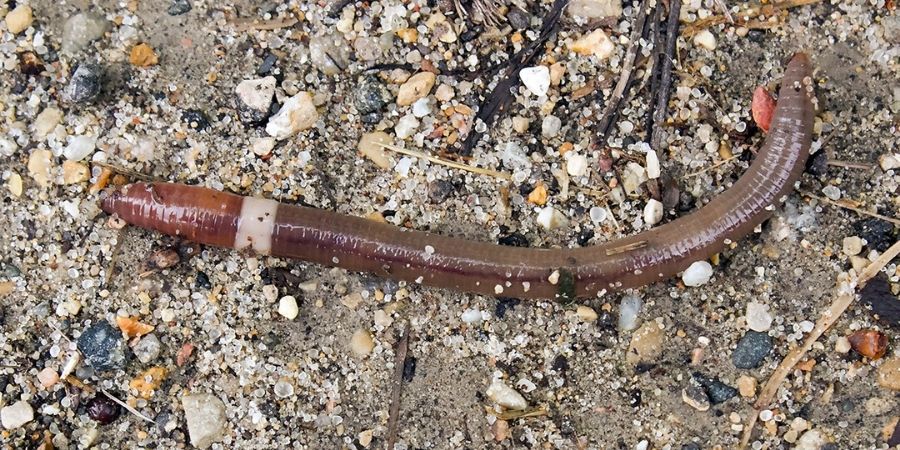
Image Source: www.milorganite.com
Why Earthworms Appear in Your Lawn
Earthworms in lawn areas are a common sight, especially after rain. They are nature’s little tillers, breaking down organic matter and aerating the soil. However, when their numbers become overwhelming, they can cause issues.
Factors Contributing to Large Earthworm Populations
- Moisture: Earthworms thrive in damp, moist soil. Overwatering or frequent rainfall can create ideal conditions.
- Organic Matter: A rich layer of thatch and decaying organic material provides a food source and habitat.
- Soil Type: Heavy clay soils that retain moisture can be more attractive to earthworms.
- Shade: Shady areas tend to stay moister for longer periods, favoring earthworm activity.
- Reduced Lawn Care: Neglecting proper lawn maintenance, such as aeration and dethatching, can allow organic matter to build up.
Identifying Earthworm Damage
While earthworms are beneficial, their activity can lead to some undesirable effects on your lawn.
Common Signs of Earthworm Problems
- Earthworm Castings: These are small mounds of soil left on the surface of the lawn. They are rich in nutrients but can smother grass if they accumulate heavily.
- Uneven Lawn Surface: Castings can create an uneven, bumpy texture that is difficult to mow.
- Grub Appearance: In some cases, large numbers of earthworms can be mistaken for grubs, though their impact is different.
- Increased Bird Activity: Birds often feed on earthworms, so a sudden increase in birds pecking at your lawn could indicate a high earthworm population.
Effective Earthworm Control Strategies
Getting rid of earthworms involves a combination of cultural practices and targeted treatments. The goal is often earthworm control rather than complete eradication, as they play a vital role in soil health.
Cultural Practices for Natural Earthworm Control
These methods focus on making your lawn less hospitable to excessive earthworm populations without harsh chemicals. Natural earthworm control is the preferred approach for many homeowners.
1. Aeration
Aeration is a process that removes small plugs of soil from your lawn, relieving soil compaction and improving air circulation.
- How it Helps: Aeration disrupts the tunnels earthworms create and reduces soil moisture, making the environment less favorable. It also helps break down thatch.
- When to Aerate: The best times for aeration are during the active growing seasons for your grass type:
- Cool-Season Grasses (Fescue, Ryegrass, Bluegrass): Early fall or early spring.
- Warm-Season Grasses (Bermuda, Zoysia, St. Augustine): Late spring or early summer.
- Process: Use a core aerator (walk-behind or tow-behind) to pull soil plugs. Leave the plugs on the lawn; they will break down and add nutrients.
2. Dethatching
Thatch is a layer of dead and living grass stems, roots, and debris that accumulates between the soil surface and the green blades of grass. Excessive thatch provides food and shelter for earthworms.
- How it Helps: Removing thatch eliminates a primary food source and habitat for earthworms.
- When to Dethatch: Similar to aeration, dethatch during active growth periods.
- Process: Use a power rake or dethatcher to pull up the thatch. Rake the debris and dispose of it or compost it. A thatch layer less than half an inch thick is generally considered healthy.
3. Proper Watering
Overwatering can create the damp conditions that earthworms love. Adjusting your watering habits is a key step in lawn care earthworms.
- Water Deeply and Infrequently: Instead of light, frequent watering, water your lawn thoroughly but less often. This encourages deeper root growth and allows the soil surface to dry out between waterings.
- Check Soil Moisture: Before watering, stick a screwdriver or soil probe into the ground. If it goes in easily, the soil is moist enough. If it’s difficult to push in, it’s time to water.
- Water in the Morning: Watering in the morning allows the grass and soil surface to dry out during the day, reducing the dampness that attracts earthworms.
4. Reduce Organic Matter Input
While organic matter is good for soil, an excessive amount, particularly on the surface, can fuel earthworm populations.
- Grass Clippings: Consider mulching your grass clippings back into the lawn. However, if you have very thick clippings, it might be better to bag them to prevent excessive thatch buildup.
- Leaf Litter: Rake up fallen leaves promptly, especially in the fall. Compost them or use them for mulch in garden beds.
Targeted Earthworm Removal Methods
If cultural practices aren’t enough, or you need faster results for earthworm removal, you might consider more direct earthworm treatment options.
1. The “Shake and Rake” Method (Manual Removal)
This method is a natural earthworm control technique that can be surprisingly effective for localized areas.
- How it Works: Earthworms surface when the soil is disturbed and slightly moist.
- Process:
- Water the Area: Lightly water the affected area of your lawn about an hour before you plan to work on it. This encourages earthworms to come to the surface.
- Apply a Mild Solution: Prepare a mixture of 1 tablespoon of lemon juice or vinegar diluted in a gallon of water. Alternatively, you can use about 1 ounce of dish soap (a biodegradable, mild one is best) mixed with a gallon of water.
- Apply to Lawn: Slowly pour or spray the solution onto a small section of the lawn.
- Rake: Immediately after applying the solution, rake the area vigorously. This disturbance will cause earthworms to surface.
- Collect and Remove: Pick up the surfaced earthworms by hand or with a rake and dispose of them in a compost bin or a separate location away from your lawn.
- Caution: Do not over-apply the solution, as it can harm your grass. Test on a small, inconspicuous area first.
2. Commercial Earthworm Control Products
There are products available that are designed to deter or kill earthworms. These should be used with caution and according to label instructions.
- Pesticides: Some insecticides are labeled for use against earthworms. These are generally broad-spectrum and can harm beneficial insects and soil organisms, so they are often a last resort.
- Diatomaceous Earth: Food-grade diatomaceous earth can dehydrate earthworms by damaging their outer layer. It needs to be reapplied after rain.
- Beneficial Nematodes: Certain species of nematodes, microscopic roundworms, prey on earthworm eggs and juvenile earthworms. They are a biological control option.
Table 1: Comparison of Earthworm Treatment Methods
| Method | Effectiveness | Speed of Action | Environmental Impact | Effort Required |
|---|---|---|---|---|
| Aeration | Moderate to High (Preventative) | Slow | Low | Moderate |
| Dethatching | Moderate to High (Preventative) | Slow | Low | Moderate |
| Proper Watering | Moderate (Preventative) | Slow | Very Low | Low |
| Shake and Rake Method | Moderate (Targeted) | Fast | Low | Moderate to High |
| Commercial Pesticides | High (Can be) | Fast | High | Low |
| Diatomaceous Earth | Moderate | Moderate | Low | Moderate |
| Beneficial Nematodes | Moderate | Moderate | Very Low | Low |
3. Managing Earthworm Castings
Even with earthworm control, you might still have to deal with the earthworm casting removal.
- Light Raking: For light casting accumulation, a simple light raking can redistribute them and smooth the surface.
- Power Raking: For heavy buildup, a power rake can be more effective, but use it carefully to avoid damaging the grass.
- Topdressing: After removing excess castings, a light topdressing of sand or compost can help smooth the lawn surface and improve drainage.
- Vacuuming: Some professional lawn care services may use specialized vacuums to remove castings, but this is not a common DIY method.
When Earthworms Are a Problem
It’s important to remember that earthworms are generally beneficial. You typically only need to take action if you notice significant negative impacts.
Signs That You Need Earthworm Control
- Excessive Casting: If your lawn is covered in casts, making it bumpy, difficult to mow, or unsightly.
- Smothered Grass: In rare cases, a massive number of castings can smother grass seedlings or weaken existing turf.
- Disease Susceptibility: While not a direct cause, the stress on grass from heavy casting can sometimes make it more prone to disease.
Long-Term Lawn Health and Earthworm Management
Consistent lawn care earthworms practices are key to preventing future earthworm infestation.
Maintaining a Healthy Lawn Ecosystem
- Regular Mowing: Mow at the correct height for your grass type. This helps the grass develop a strong root system.
- Proper Fertilization: Fertilize your lawn according to soil test results and the needs of your grass type. Healthy grass is more resilient.
- Overseeding: Fill in bare spots with seed to maintain a dense turf, which helps prevent thatch buildup and makes the lawn less appealing to earthworms.
- Soil Testing: Periodically test your soil to check pH and nutrient levels. This helps you provide the right conditions for your grass, not just for earthworms.
Addressing Specific Concerns About Earthworms
Let’s answer some common questions related to getting rid of earthworms.
Can I Use Salt to Get Rid of Earthworms?
While salt can kill earthworms, it is highly detrimental to your lawn. Salt leaches nutrients from the soil and can kill grass. It is not recommended as an earthworm treatment.
What are Those Small Mounds of Soil in My Lawn?
These are earthworm castings, also known as worm poop. They are a natural byproduct of earthworms processing organic matter in the soil.
Are Earthworms Bad for My Lawn?
In moderate numbers, earthworms are very good for your lawn. They aerate the soil and improve its structure. It’s only when their population becomes very high that they can cause problems with excessive casting.
How Can I Encourage Earthworms for Soil Health?
To encourage earthworms, focus on building healthy soil:
- Add Compost: Regularly incorporate compost and other organic matter into your soil.
- Avoid Chemical Fertilizers and Pesticides: These can harm earthworm populations.
- Maintain Consistent Moisture: Keep the soil consistently moist, but not waterlogged.
- Mulch: Use organic mulch in garden beds and around trees.
Conclusion: A Balanced Approach to Earthworm Control
Getting rid of earthworms is not about eliminating them entirely, but about managing their population to prevent negative impacts on your lawn. By implementing proper lawn care earthworms practices such as aeration, dethatching, and adjusted watering, you can create an environment that is less conducive to large earthworm populations. For more immediate earthworm removal or to address a significant earthworm infestation, targeted earthworm treatment methods like the “shake and rake” approach can be employed. Remember, a healthy, vibrant lawn is often the best defense against any unwanted pest or critter activity. Focusing on long-term soil health through natural earthworm control will lead to a more resilient and beautiful lawn. Dealing with earthworm casting removal is a consequence of their activity, but manageable with consistent care.
Frequently Asked Questions (FAQ)
Q1: How quickly can I see results after trying to get rid of earthworms?
Results can vary depending on the method used and the severity of the earthworm infestation. Cultural practices like aeration and dethatching take time to show an effect. Targeted methods like the “shake and rake” can offer visible results within a few hours, but recurrence is possible if the underlying conditions aren’t addressed.
Q2: Will getting rid of earthworms harm my lawn?
No, the goal of earthworm control is to manage excessive populations, not eradicate them. Earthworms are crucial for soil health. The methods described focus on making the lawn less attractive to very large numbers while preserving a healthy balance.
Q3: I’m seeing a lot of birds on my lawn pecking. Does this mean I have too many earthworms?
Yes, a sudden increase in birds, particularly those that feed on insects and worms, can be an indicator of a higher-than-normal earthworm population near the surface.
Q4: What is the best time of year for earthworm control?
The best time to implement preventative lawn care earthworms strategies like aeration and dethatching is during the active growing seasons for your grass. For active earthworm removal, you can attempt it when you notice the most activity, often after rain or in the early morning.
Q5: Are earthworm castings harmful to my pets?
Earthworm castings themselves are not harmful to pets. However, if you use chemical earthworm treatment products, be sure to keep pets away from the treated areas according to the product instructions. Also, be mindful of any potential hazards if your pet ingests a large quantity of soil or castings.