
Can you revive a dead lawn? Yes, in many cases, a seemingly dead lawn can be revived with the right care and attention. While completely dead grass might not return, areas with dormant or struggling grass can often be brought back to life.
A brown, lifeless lawn can be a gardener’s worst nightmare. It’s disheartening to look out at patches of dead grass, wondering if your lawn is a lost cause. But before you reach for the rototiller and a truckload of sod, remember that many lawns that appear dead are merely dormant or suffering from treatable conditions. Bringing back green to your lawn is achievable with patience and a systematic approach. This guide will walk you through how to treat dead lawn, focusing on reviving brown grass and bringing dead lawns back to life. We’ll cover everything from diagnosing the problem to specific treatments for lawn repair in dead spots and how to reseed a dead lawn effectively.
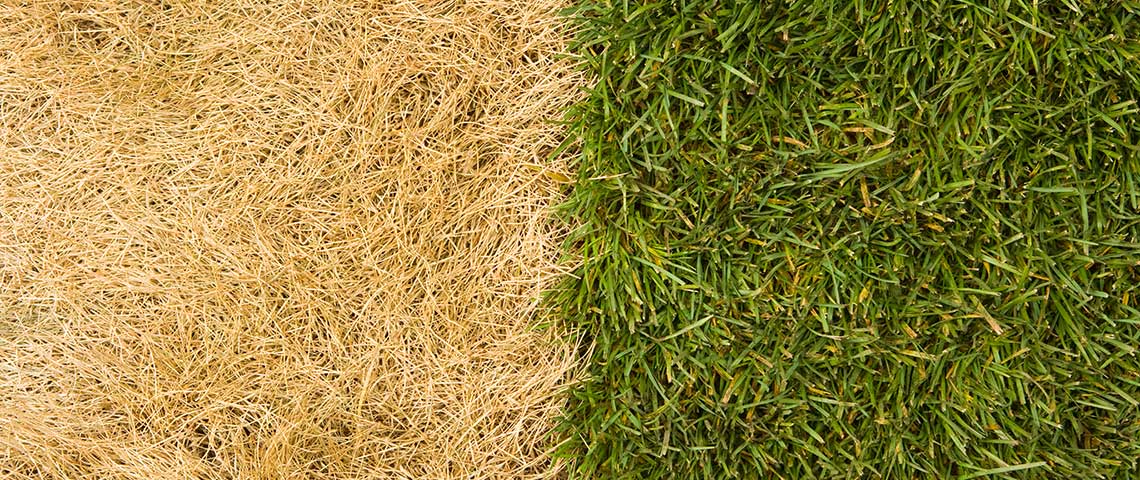
Image Source: www.pennington.com
Deciphering Why Your Lawn is Brown
Before you can effectively treat a dead lawn, it’s crucial to figure out why it’s in such a state. Various factors can contribute to a lawn’s demise, and understanding the root cause will dictate the best treatment plan.
Common Culprits for Lawn Decline
- Drought and Heat Stress: Prolonged periods without adequate rainfall or watering can cause grass to go dormant, turning brown. While it looks dead, the crowns and roots might still be alive.
- Improper Watering: Too much or too little water can both damage grass. Overwatering can lead to fungal diseases, while underwatering leads to drought stress.
- Pests: Grubs, chinch bugs, and other lawn insects feed on grass roots and blades, causing significant damage and brown patches.
- Diseases: Fungal diseases like brown patch, dollar spot, and red thread can create unsightly brown areas.
- Poor Soil Conditions: Compacted soil, lack of essential nutrients, or incorrect soil pH can prevent grass from thriving.
- Over-fertilization: Applying too much fertilizer can burn the grass.
- Foot Traffic and Mower Damage: Heavy foot traffic can compact soil, and improper mowing height or dull mower blades can stress and damage grass.
- Weed Competition: Aggressive weeds can choke out grass, stealing water and nutrients.
Steps to Revive Brown Grass
Once you have a better idea of what’s ailing your lawn, you can begin the process of revival. The goal is to nourish dying grass and create an environment where healthy grass can grow.
Step 1: Assess the Damage and Identify the Cause
Take a close look at the brown areas. Are they widespread or isolated patches? Are the blades brittle, or do they pull up easily from the soil?
- Pull Test: If the grass pulls up easily, it could be grubs or a fungal issue that has killed the roots.
- Digging: Gently dig up a small section of the affected area. Look for white, C-shaped grubs. If you find more than 5-10 grubs per square foot, you likely have a grub problem.
- Observe Patterns: Are the brown patches circular? Do they appear after a rain? This might indicate a fungal disease.
Step 2: Address Watering Issues
Proper watering is paramount to restoring a struggling lawn.
- Water Deeply and Infrequently: Aim to water deeply enough to moisten the soil 4-6 inches down. This encourages deep root growth. Watering once or twice a week is usually sufficient, depending on the weather and your soil type.
- Watering Dead Grass: If the grass is truly dormant from drought, deep watering can help it recover. Water early in the morning to minimize evaporation and allow the grass blades to dry before nightfall, which helps prevent fungal diseases.
- Timing is Key: Avoid watering in the heat of the day or late at night.
Step 3: Dealing with Pests and Diseases
If pests or diseases are the culprits, targeted treatment is necessary.
- Pest Control: For grub infestations, apply an appropriate insecticide. Read and follow label instructions carefully. Natural remedies like beneficial nematodes can also be effective.
- Disease Management: For fungal diseases, apply a fungicide. Aerating the soil and improving air circulation can also help prevent future outbreaks. Remove thatch buildup, as it can harbor disease.
Step 4: Soil Aeration and Dethatching
Compacted soil and excessive thatch can suffocate grass roots and prevent water and nutrients from reaching them.
- Aeration: Use a core aerator to remove small plugs of soil. This allows air, water, and nutrients to penetrate deeper into the soil.
- Dethatching: Thatch is a layer of dead and living organic matter between the grass blades and the soil. If it’s more than ½ inch thick, it can be detrimental. A dethatching rake or power dethatcher can remove this layer.
Step 5: Fertilization and Soil Amendment
To nourish dying grass and prepare the soil for new growth, fertilization and amendment are vital.
- Soil Test: It’s highly recommended to get a soil test to determine your soil’s pH and nutrient levels. This will guide your fertilization choices.
- Fertilizing Dormant Lawn: If your lawn is dormant due to cold weather, applying a slow-release fertilizer in the fall can help it recover in the spring. For lawns suffering from nutrient deficiency, use a balanced fertilizer appropriate for your grass type.
- Correcting pH: If your soil test indicates an incorrect pH, use lime to raise it (for acidic soil) or sulfur to lower it (for alkaline soil).
Bringing Back Dead Lawn: A Comprehensive Approach
When your lawn has significant dead spots, a more intensive approach is needed. This involves not just reviving what’s left but also introducing new life.
Addressing Lawn Repair Dead Spots
Dead spots can be caused by a variety of issues, from pet urine to heavy equipment.
- Remove Dead Grass: Rake out all dead grass and debris from the dead spots. This ensures good soil contact for new seeds or sod.
- Loosen the Soil: Gently loosen the soil in the dead spots with a rake or trowel. If the soil is heavily compacted, you might consider light tilling.
- Amend the Soil: Mix in some compost or topsoil to improve the soil structure and add nutrients.
Reseed Dead Lawn Effectively
Reseeding is often the most effective way to fill in bare patches and bring back a full, green lawn.
When to Reseed:
- Cool-Season Grasses (e.g., Kentucky Bluegrass, Fescue, Ryegrass): Best seeded in the fall (late August to early October) or early spring (March to April). Fall seeding is often preferred as it allows the grass to establish roots before the stress of summer heat.
- Warm-Season Grasses (e.g., Bermuda, Zoysia, Centipede): Best seeded in late spring or early summer when soil temperatures are consistently warm (70°F and above).
Choosing the Right Seed:
- Match Your Climate and Existing Grass: Select a grass seed mixture that is suited to your region and the type of grass already in your lawn, if any.
- Consider Shade Tolerance and Drought Resistance: Choose varieties that will thrive in your specific lawn conditions.
The Reseeding Process:
- Prepare the Seedbed: Ensure the soil is loose and free of debris.
- Apply Seed: Spread the seed evenly over the prepared area. You can use a broadcast spreader for larger areas or a handheld spreader for smaller patches.
- Rake Lightly: Gently rake the seed into the soil to ensure good seed-to-soil contact. A light layer of topsoil or compost can be spread over the seed.
- Water Consistently: Keep the seeded area consistently moist, but not waterlogged, until the new grass germinates and is established. This might mean watering lightly multiple times a day.
- Protect the Area: Keep foot traffic and pets off the newly seeded area until the grass is several inches tall.
Overseeding Dead Areas
Overseeding involves spreading grass seed over an existing lawn, even if it’s patchy or has dead areas, to thicken it up and fill in bare spots. This is an excellent way to revive a lawn that isn’t entirely dead but is thinning or has numerous small dead patches.
- Timing is Crucial: Overseeding is best done in the fall for cool-season grasses and late spring/early summer for warm-season grasses, following the same timing guidelines as reseeding.
- Preparation: Mow the lawn short and dethatch if necessary. Aerating the lawn before overseeding significantly improves seed-to-soil contact and germination rates.
- Seed Application: Apply a high-quality grass seed mixture appropriate for your lawn type. A spreader ensures even distribution.
- Watering: Keep the area moist until the new seeds germinate and the grass is established.
Restoring Parched Lawn and Managing Brown Patches
Dealing with a parched lawn requires a focus on rehydration and soil health. Lawn care for brown patches often involves identifying the cause and applying targeted treatments.
Restoring a Parched Lawn
A parched lawn has likely suffered from drought stress. The key is to reintroduce moisture gradually and improve the soil’s ability to retain it.
- Gentle Watering: Begin watering deeply but avoid overwhelming a stressed root system. Slowly increase watering frequency and duration as the lawn begins to show signs of recovery.
- Mulching: Applying a light layer of organic mulch (like compost) around trees and shrubs in your lawn can help retain soil moisture.
- Reduce Traffic: Minimize foot traffic on a parched lawn to prevent further stress and soil compaction.
- Avoid Fertilizing Stressed Grass: Do not fertilize a lawn that is severely drought-stressed, as this can burn the grass. Wait until it shows signs of recovery.
Lawn Care Brown Patches: Targeted Solutions
Brown patches in a lawn can be frustrating. Here’s how to tackle them:
- Pet Urine Spots: If you suspect pet urine, water the affected area immediately and thoroughly to dilute the nitrogen. For hardened spots, you may need to remove the dead grass and reseed.
- Fungal Diseases: Identify the specific disease if possible. Many lawn fungicides are available. Improving air circulation through aeration and avoiding overwatering can prevent future issues.
- Grub Damage: As mentioned, look for grubs by digging. Treat with an appropriate insecticide if an infestation is present.
- Grassy Weeds: Some weeds, like crabgrass, can turn brown and die off in the fall, leaving bare spots. Control weeds with pre-emergent or post-emergent herbicides as needed.
Nourish Dying Grass: Feeding Your Lawn Back to Health
Nourishing dying grass is about providing the right nutrients at the right time to encourage recovery and new growth.
The Role of Fertilizers
Fertilizers provide essential nutrients like nitrogen (N), phosphorus (P), and potassium (K) that grass needs to grow and stay healthy.
- Slow-Release vs. Quick-Release: Slow-release fertilizers provide nutrients over a longer period, reducing the risk of burning the grass and promoting steady growth. Quick-release fertilizers provide a rapid green-up but can lead to surge growth and are more prone to burning.
- Choosing the Right Fertilizer: The best fertilizer depends on your soil test results and the needs of your grass type. A common recommendation for general lawn health is a balanced fertilizer like 10-10-10 or one with a higher nitrogen content for greening.
Application Tips for Revitalization
- Follow Instructions: Always read and follow the application rates on the fertilizer packaging. Over-fertilizing can cause more harm than good.
- Water After Fertilizing: Watering lightly after applying fertilizer helps it dissolve and move into the soil, reducing the risk of burning.
- Avoid Fertilizing Severely Stressed Grass: As noted, wait until the grass shows signs of recovery before applying fertilizer, especially if it’s due to drought.
Maintaining a Healthy Lawn After Revival
Once you’ve brought your lawn back from the brink, ongoing care is essential to keep it healthy and prevent future problems.
- Mowing: Mow at the correct height for your grass type. Never remove more than one-third of the grass blade at a time. Keep mower blades sharp.
- Watering: Continue to water deeply and infrequently, adjusting based on weather conditions.
- Weed Control: Stay on top of weeds through regular mowing, proper watering, and spot treatment or broadleaf weed control as needed.
- Aeration and Dethatching: Continue to aerate and dethatch your lawn periodically (usually once a year) to maintain healthy soil and root systems.
- Seasonal Fertilization: Fertilize at the appropriate times of year for your grass type to provide continuous nourishment.
Frequently Asked Questions About Treating Dead Lawns
Q1: How long does it take to revive a dead lawn?
A1: The time it takes to revive a lawn varies greatly depending on the cause of the damage and the methods used. It can range from a few weeks for minor drought stress to several months for heavily damaged areas that require reseeding and establishment.
Q2: Can I water a completely brown lawn?
A2: Yes, if the brown color is due to dormancy from drought, watering can help revive it. However, if the grass is truly dead (roots are gone), watering will not bring it back. A soil test or digging to check root health is advisable.
Q3: What is the best time of year to reseed a dead lawn?
A3: For cool-season grasses, the best time is fall (late August to early October). For warm-season grasses, it’s late spring to early summer when soil temperatures are consistently warm.
Q4: My lawn has brown patches. What should I do?
A4: First, try to identify the cause of the brown patches – whether it’s pets, pests, disease, or something else. Then, address the specific cause with appropriate treatments. For instance, water heavily diluted spots from pet urine, use insecticides for grubs, or fungicides for fungal diseases. For bare patches, you’ll likely need to reseed.
Q5: Is fertilizing a dormant lawn a good idea?
A5: Fertilizing a dormant lawn (like cool-season grass in winter) is not recommended. However, fertilizing a lawn that is dormant due to drought stress should only be done after it shows signs of recovery to avoid stressing it further. Fertilizing a lawn in fall before dormancy can help it store energy for winter and recover faster in spring.
By following these steps, you can effectively treat your dead lawn, nourish dying grass, and bring back the lush, green turf you desire. Remember, patience and consistent care are key to a successful lawn transformation.