
Can you get rid of lawn grubs organically? Yes, you can effectively eliminate lawn grubs using natural methods. This guide will walk you through various organic approaches to tackle grub infestations, protecting your lawn without resorting to harsh chemicals.
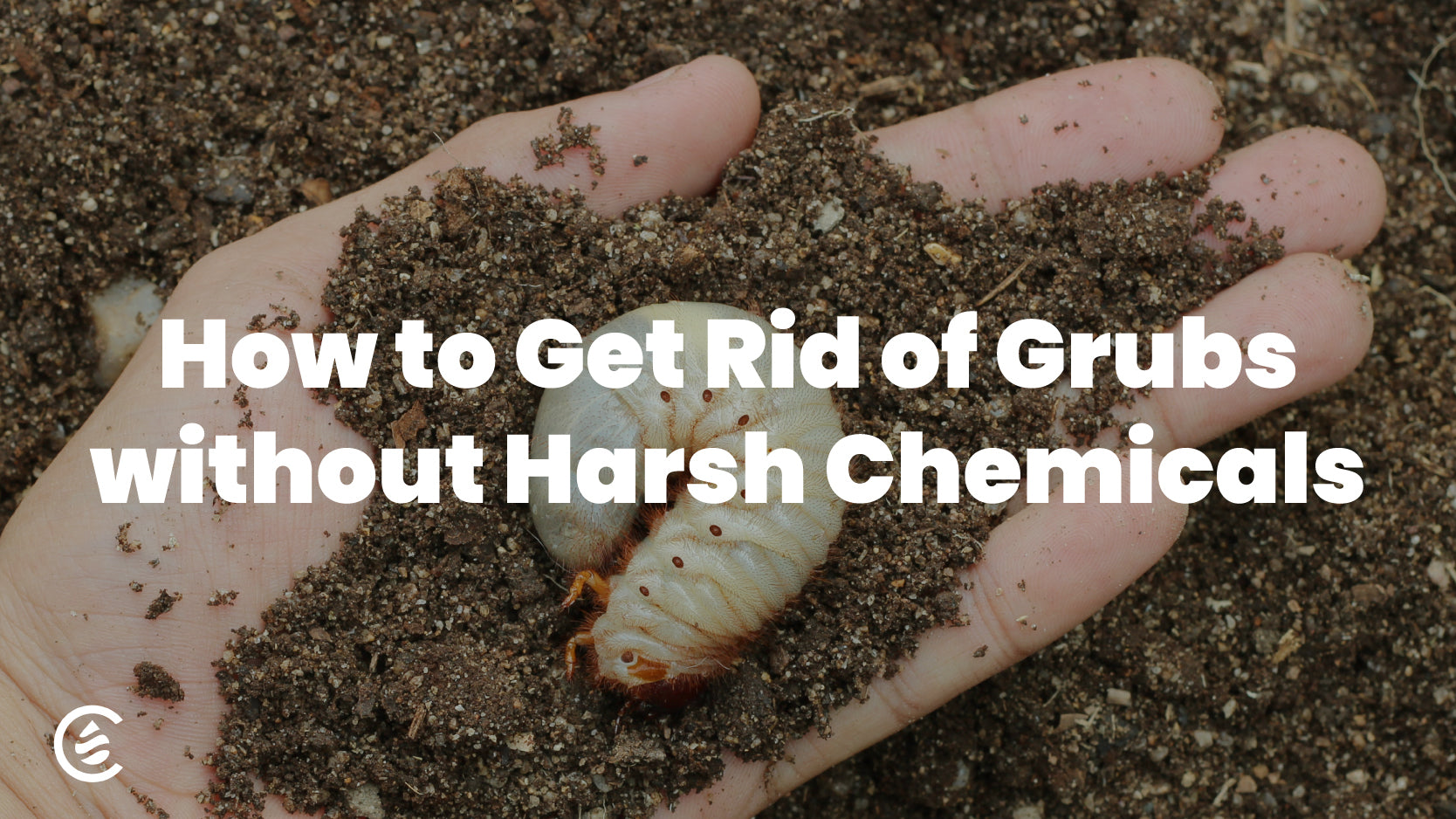
Image Source: cedarcide.com
The Hidden Threat: Spotting and Identifying Lawn Grubs
Lawn grubs are the larval stage of several common beetles, including Japanese beetles, European chafers, and Asiatic garden beetles. These C-shaped, white larvae tunnel through your soil, feasting on grass roots. This root damage prevents your lawn from absorbing water and nutrients, leading to unsightly brown patches that can spread rapidly, especially during hot, dry periods.
Signs of Grub Infestation
- Brown Patches: Irregularly shaped brown or yellowish patches that feel spongy and lift up easily, like a carpet, are a tell-tale sign. The roots have been eaten away.
- Increased Pest Activity: Birds, skunks, raccoons, and moles digging in your lawn often indicate the presence of grubs, as these animals are attracted to them as a food source.
- Wilting Grass: Even with adequate watering, your grass may appear wilted or stressed due to damaged roots.
- Visible Grubs: In heavily infested areas, you might find the C-shaped grubs just beneath the soil surface when digging.
When to Act
The best time to address grub problems is typically late summer to early fall, as this is when they are actively feeding and causing damage. However, spring treatment can also be effective, targeting newly hatched larvae.
Natural Warriors: Organic Grub Control Methods
Fortunately, a range of organic grub control methods can help you reclaim your lawn. These methods focus on restoring balance to your soil and attracting or introducing natural predators and disease agents that target grubs.
1. Biological Controls: Nature’s Own Defense
Biological controls harness the power of natural enemies to manage pest populations. For lawn grubs, two key players stand out: beneficial nematodes and milky spore disease.
Beneficial Nematodes: Microscopic Allies
Beneficial nematodes are microscopic roundworms that naturally exist in soil. Certain species, like Heterorhabditis bacteriophora (Hb) and Steinernema spp., are predatory on lawn grubs. They seek out grubs in the soil, enter their bodies through natural openings, and release bacteria that kill the grub. The nematodes then feed on the grub and reproduce.
-
How they work:
- Nematodes actively hunt for grubs in the soil.
- They inject bacteria into the grub, causing septicemia.
- The grub dies within days.
- Nematodes reproduce and continue hunting.
-
Application:
- Nematodes are typically sold in a moist, clay-based carrier.
- They need to be mixed with water and applied to the lawn when soil temperatures are between 55°F and 85°F (13°C to 29°C).
- Apply when the soil is moist and the grubs are present.
- Water the lawn thoroughly after application to help the nematodes move through the soil.
- Avoid applying during direct sunlight or when the lawn is very dry.
-
When to Apply:
- Late summer to early fall (August to October) is the prime time, as grubs are actively feeding near the surface.
- Spring (April to May) can also be effective, targeting early-stage grubs.
Milky Spore Disease: A Targeted Pathogen
Milky spore disease is a naturally occurring soil bacterium, Paenibacillus popilliae, that specifically targets the larvae of Japanese beetles and some other related beetles. It’s a highly effective, long-lasting grub control natural solution when applied correctly.
-
How it works:
- Grubs ingest the milky spore spores while feeding on grass roots.
- Inside the grub, the spores germinate and multiply.
- The grub eventually dies, releasing millions more spores into the soil.
- The spores remain viable in the soil for many years, providing ongoing protection.
-
Milky Spore Powder Application:
- Milky spore powder is typically sold as a granular or powder mixture.
- It’s applied to the lawn using a broadcast spreader.
- The initial application is crucial, and it may take several years for the spores to build up to effective levels throughout the entire lawn.
- A second application is often recommended 1-2 years after the first to ensure full coverage and potency.
-
Milky Spore Treatment Schedule:
- First Application: Apply in late summer to early fall (August to September) when grubs are actively feeding near the surface.
- Second Application: Apply again in the spring (April to May) or the following fall to ensure spores are present during peak grub activity.
- Consistency is key. The goal is to have milky spore present in the soil year-round to infect grubs as they hatch and feed.
-
Effectiveness:
- Milky spore disease is most effective against Japanese beetle grubs.
- It can take 2-4 years to reach full effectiveness throughout your lawn, but once established, it provides protection for up to 10-15 years.
2. Cultural Practices: Building a Resilient Lawn
A healthy, well-maintained lawn is less susceptible to grub damage. Implementing good cultural practices can significantly reduce the likelihood of an infestation and help your lawn recover more quickly if one does occur.
Proper Watering
- Deep and Infrequent Watering: Encourage deep root growth by watering your lawn thoroughly but less often. This makes the grass more drought-tolerant and can deter some adult beetles from laying eggs.
- Avoid Overwatering: Waterlogged soil can create favorable conditions for certain grub species.
Mowing Practices
- Mow at the Correct Height: Keeping your grass at the recommended height for its species (often 3-4 inches for most cool-season grasses) promotes stronger root systems. Taller grass shades the soil, which can deter egg-laying adult beetles.
- Leave Grass Clippings: Grass clippings can add nutrients back into the soil and help retain moisture.
Aeration and Dethatching
- Aeration: Regularly aerating your lawn improves soil structure, water penetration, and air circulation. This creates a healthier environment for grass roots and can disrupt grub habitats.
- Dethatching: A thick layer of thatch (dead grass stems and roots) can harbor grubs and prevent beneficial treatments from reaching the soil. Dethatch your lawn when the thatch layer exceeds ½ inch.
3. Natural Repellents and Deterrents
While not always a direct grub killer, organic deterrents can make your lawn less attractive to egg-laying adult beetles, thus preventing future grub problems.
Neem Oil for Grubs
Neem oil, derived from the neem tree, is a versatile organic pest control. When applied to the lawn, it can act as a repellent and disrupt the life cycle of various pests, including the beetles that lay grub eggs.
-
How it works:
- Neem oil contains azadirachtin, a compound that can deter adult beetles from laying eggs on treated turf.
- It can also have some insecticidal properties against young grubs if they ingest it.
-
Application:
- Dilute concentrated neem oil with water according to product instructions.
- Apply with a garden sprayer to the lawn, focusing on areas where you’ve seen adult beetle activity.
- Best applied in the early morning or late evening when temperatures are cooler and beneficial insects are less active.
-
When to Apply:
- Apply in late spring and early summer when adult beetles are active and laying eggs.
Other Natural Repellents
- Garlic Spray: A strong garlic spray can deter beetles. Mix several cloves of garlic with water, let it steep, strain, and spray on the lawn.
- Essential Oils: Some essential oils, like peppermint or cedarwood, are believed to deter certain insects, though their effectiveness against grub-laying beetles may vary.
4. DIY Grub Control Organic Solutions
For the hands-on gardener, several DIY grub control organic methods can be employed.
Homemade Garlic and Pepper Spray
This spray acts as a deterrent for adult beetles.
* Ingredients: 2-3 bulbs of garlic, 1-2 hot peppers (like cayenne or jalapeño), 1 quart of water, a tablespoon of mild liquid soap.
* Instructions: Blend garlic and peppers with water. Let steep for at least 24 hours. Strain the mixture through cheesecloth. Add liquid soap and mix well. Store in a spray bottle.
* Application: Spray liberally on the lawn during beetle activity periods. Reapply after rain.
Corn Gluten Meal
Corn gluten meal has gained popularity as an organic pre-emergent herbicide and a natural fertilizer. Some anecdotal evidence suggests it can also disrupt the root development of newly hatched grub larvae, making them more susceptible to environmental stress.
- How it works (theory): The protein in corn gluten meal is thought to interfere with root formation in certain seeds and potentially in early-stage insect larvae.
- Application: Apply as a granular fertilizer using a broadcast spreader in spring and fall.
- Effectiveness: Scientific evidence for its effectiveness against grubs is mixed and less conclusive than for other methods like nematodes or milky spore.
5. Manual Removal and Physical Barriers
While not a complete solution for large infestations, manual removal and physical barriers can play a supporting role.
Hand-Picking and Disposal
If you find grubs while gardening or digging, physically pick them out and dispose of them. This is most effective for smaller, localized problems. You can drown them in a bucket of soapy water or seal them in a bag and discard them.
Bird Feeders and Bird Baths
Encourage natural predators like birds to visit your lawn by providing bird feeders and bird baths. Birds are excellent at spotting and consuming grubs.
Applying Organic Grub Killer Effectively
Choosing the right organic grub killer is only part of the battle. Proper application is essential for success.
Timing is Everything
As mentioned, the timing of application is critical for most organic grub control methods.
* Late Summer/Early Fall: This is when grubs are actively feeding near the soil surface and are most vulnerable to treatments like beneficial nematodes. Adult beetles are also laying eggs during this period, making it ideal for deterrents.
* Spring: Targeting newly hatched grubs in the spring can also be effective, particularly with milky spore.
Understanding Soil Conditions
- Moisture: Beneficial nematodes require moist soil to move effectively. Water your lawn before applying nematodes and again afterward.
- Temperature: Ensure soil temperatures are within the optimal range for the chosen biological control.
Consistent Application
- Milky Spore: Requires patience and a commitment to the recommended application schedule over several years to build up spore populations.
- Nematodes: May require repeat applications if infestation levels are very high or if conditions are not ideal.
Grub Deterrents Organic: Prevention is Key
An ounce of prevention is worth a pound of cure when it comes to lawn grubs. Focusing on making your lawn less attractive to egg-laying beetles is a proactive approach.
Healthy Lawn Practices
- Proper Fertilization: A well-fed lawn is more resilient. Use organic fertilizers to maintain soil health.
- Overseeding: Regularly overseeding your lawn with desirable grass species can help fill in thin areas and outcompete weeds that might attract pests.
Managing Adult Beetles
- Companion Planting: Planting certain flowers and herbs known to repel beetles away from your lawn’s borders might offer some indirect protection.
- Physical Barriers (Limited): For small, prized plants, fine netting can sometimes deter adult beetles from landing and laying eggs.
Frequently Asked Questions (FAQ)
Q1: How long does it take for organic grub control to work?
A: The timeline varies. Beneficial nematodes can show results within days or weeks. Milky spore disease takes 2-4 years to reach full effectiveness but offers long-term protection. Natural deterrents and cultural practices work over time to prevent future infestations.
Q2: Can I use neem oil and beneficial nematodes together?
A: Yes, these can be used in conjunction. Apply neem oil in late spring/early summer to deter egg-laying, and then use beneficial nematodes in late summer/early fall to target any grubs that do hatch.
Q3: Is milky spore safe for pets and children?
A: Yes, milky spore disease is a natural bacterium that is harmless to pets, children, birds, and beneficial insects. It specifically targets certain grub species.
Q4: How do I know if I have grubs or something else?
A: The key indicator is the spongy, lifted turf. Birds or animals digging in your lawn are also strong signs. If you suspect grubs, gently pull back a section of turf in a brown patch. If you see C-shaped white larvae, you likely have grubs.
Q5: Where can I buy beneficial nematodes or milky spore powder?
A: These organic pest control products are available online from various garden supply retailers, as well as at many local garden centers and nurseries that specialize in organic gardening.
Conclusion: Cultivating a Grub-Free, Organic Lawn
Getting rid of lawn grubs organically is a rewarding endeavor that prioritizes the health of your lawn, your family, and the environment. By employing a combination of biological controls like beneficial nematodes and milky spore disease, along with sound cultural practices and natural deterrents like neem oil for grubs, you can effectively manage grub populations. Remember that organic grub control often requires patience and consistency, but the long-term benefits of a healthy, resilient, and chemical-free lawn are well worth the effort. Embrace these grub control natural strategies and enjoy a beautiful lawn, free from the damage of these subterranean pests. Whether you’re looking for a robust organic grub killer or a preventative grub deterrents organic approach, these methods offer a sustainable path to lawn care. For those who prefer hands-on solutions, DIY grub control organic options are also available. With the right knowledge and application, your lawn can thrive organically.