
Can you get rid of Zoysia grass? Yes, you can get rid of Zoysia grass, but it often requires persistence and a multi-pronged approach. Zoysia grass is a tough, warm-season turfgrass known for its dense growth and ability to withstand heat and drought. This makes it a desirable lawn choice for many, but for those looking to change their landscape, Zoysia grass removal can feel like a battle. Whether it’s encroaching into garden beds, mixed with other grass types, or you simply desire a different lawn aesthetic, knowing how to kill Zoysia grass effectively is key. This comprehensive guide will walk you through the most effective methods to eliminate Zoysia.
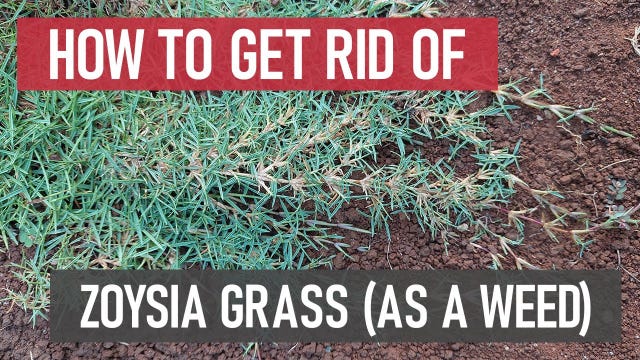
Image Source: www.solutionsstores.com
Why Zoysia Grass is a Challenge
Before diving into removal techniques, it’s helpful to understand why Zoysia is so resilient. Its survival mechanism is rooted in its growth habit. Zoysia spreads aggressively through both rhizomes (underground stems) and stolons (aboveground runners). These structures allow it to quickly fill in bare patches and form a dense, mat-like turf.
- Rhizomes: These are thick, fleshy underground stems that anchor the plant and store energy. New shoots and roots can emerge from nodes along the rhizomes, allowing the grass to regenerate even if the top growth is damaged.
- Stolons: These are aboveground runners that creep across the soil surface. When they come into contact with soil, they can root and form new plants. This is how Zoysia spreads laterally and can quickly overtake desirable grasses or garden areas.
- Dormancy: In cooler climates, Zoysia grass turns brown and goes dormant during the winter months. While it appears dead, the root system and rhizomes remain alive and will regrow vigorously when temperatures warm up.
This robust spread and regeneration capability means that simply mowing or pulling Zoysia will not be enough to get rid of Zoysia grass. You need strategies that target its entire system, from the roots to the spreading rhizomes.
Methods to Kill Zoysia Grass
Successfully removing Zoysia grass often involves a combination of methods. The best way to kill Zoysia depends on your goals, the size of the area, and your tolerance for using chemicals.
Method 1: Chemical Control (Herbicides)
For a thorough and relatively quick Zoysia grass control, herbicides are often the most effective solution. However, it’s crucial to use them responsibly, follow label instructions precisely, and be aware of potential impact on surrounding desired plants.
Non-Selective Herbicides
Non-selective herbicides, such as glyphosate (the active ingredient in Roundup), will kill any plant they come into contact with. This is a common and effective way to kill Zoysia grass.
- Application:
- Timing: Apply when Zoysia is actively growing and green. Avoid application during extreme heat or drought, as the grass may be stressed and not absorb the herbicide effectively. Fall is often a good time, as the grass is still green but preparing for dormancy, and the herbicide will be translocated to the roots.
- Preparation: Mow the Zoysia grass a few days before application. This removes the top growth, but more importantly, it can stimulate new growth from the rhizomes, making them more susceptible to the herbicide. Wait for the grass to recover and start growing again before spraying.
- Spraying: Use a sprayer to apply the herbicide evenly over the Zoysia-infested area. Ensure good coverage. Avoid spraying on windy days to prevent drift onto desirable plants.
- Repeat Applications: Zoysia is persistent, and a single application may not be enough. You will likely need to reapply the herbicide every 2-4 weeks, or as directed on the product label, until the grass is completely dead. Look for any signs of green regrowth.
- Persistence: Be patient. It can take several weeks or even months for the herbicide to completely kill the extensive root system.
- Considerations:
- Non-Target Plants: Glyphosate is non-selective, meaning it will kill any plant it touches. Take extreme care to protect desirable trees, shrubs, flowers, and even other lawn grasses. You can shield these plants with cardboard or plastic sheeting during application.
- Soil Activity: Glyphosate is generally inactivated by the soil, meaning it won’t typically harm future plantings in the treated area once the grass is dead. However, always check the product label for specific information regarding re-seeding or re-planting.
Selective Herbicides (Less Common for Zoysia Removal)
Selective herbicides are designed to kill specific types of plants while leaving others unharmed. However, finding a selective herbicide that targets Zoysia grass specifically without damaging other desirable turfgrasses can be challenging. Many herbicides that control broadleaf weeds will also harm Zoysia. If you are trying to remove Zoysia grass invasion from a desirable cool-season lawn (like fescue or bluegrass), selective herbicides are not typically the primary solution. In such cases, manual removal or non-selective herbicides are usually preferred for the Zoysia areas.
Method 2: Manual Removal (Digging)
For smaller areas or when you want to avoid chemicals entirely, manual removal is an option. This method is labor-intensive but effective for Zoysia grass removal.
- Process:
- Timing: It’s easiest to dig when the soil is moist but not waterlogged. This allows the roots and rhizomes to be pulled out more easily.
- Tools: You’ll need a sharp spade, shovel, or a specialized sod cutter.
- Digging: Dig out the sod, ensuring you go deep enough to capture the majority of the rhizomes. Aim to remove at least 4-6 inches of soil and sod.
- Rhizome Removal: Be meticulous in removing all visible rhizomes. They are often white or yellowish and can be several inches long. Any remaining pieces can sprout new Zoysia plants.
- Disposal: Bag the removed sod and rhizomes and dispose of them properly. Do not compost them, as they can survive and infest your compost pile.
- Pros:
- Chemical-free.
- Immediate results for the dug-up area.
- Cons:
- Extremely labor-intensive, especially for large areas.
- Difficult to remove all rhizomes, leading to potential regrowth.
- Can leave bare patches that need immediate attention (e.g., reseeding with desirable grass or covering).
Method 3: Solarization (Smothering)
Solarization is a chemical-free method that uses the sun’s heat to kill plants and their root systems. This is a longer process but can be very effective for eliminating Zoysia.
- Process:
- Mowing: Mow the Zoysia grass as short as possible.
- Watering: Water the area thoroughly to hydrate the soil and plant material, which aids in heat transfer.
- Covering: Cover the entire area tightly with clear polyethylene plastic sheeting (greenhouse plastic is ideal). Secure the edges with rocks, soil, or landscape staples to create a sealed environment. The clear plastic traps heat and moisture, effectively “cooking” the grass and weed seeds beneath.
- Duration: Leave the plastic in place for at least 6-8 weeks during the hottest part of the year (typically summer). The longer it stays, the more effective it will be.
- Monitoring: Check the edges periodically to ensure no air or light is getting underneath.
- Pros:
- Chemical-free.
- Kills not only Zoysia but also many weed seeds and soil pathogens.
- Relatively low labor once set up.
- Cons:
- Requires extended periods of hot, sunny weather.
- The area will be unusable for grass or planting during the solarization period.
- May not kill all deep-rooted perennial weeds or mature Zoysia rhizomes if not done for a sufficient duration or with thick enough plastic.
Method 4: Smothering with Biodegradable Tarps or Cardboard
Similar to solarization, smothering blocks sunlight and air, preventing photosynthesis and causing the plant to die. This is a good option for Zoysia grass management if you have the time for the process to work.
- Process:
- Mowing: Mow the Zoysia grass very short.
- Covering: Lay down a thick layer of overlapping cardboard (remove all tape and labels) or a biodegradable landscape fabric/tarp. Ensure there are no gaps.
- Watering: Water the cardboard or fabric thoroughly to help it settle and begin decomposing.
- Weighting: Cover the cardboard or fabric with a layer of mulch (wood chips, compost, straw). This helps hold it in place, insulates it, and starts the decomposition process.
- Duration: Leave the cover in place for at least 6 months to a year. Zoysia’s dense rhizomes can be stubborn, so patience is key.
- Pros:
- Chemical-free.
- Improves soil as the cardboard and mulch decompose.
- Relatively low effort after initial setup.
- Cons:
- Takes a long time to work.
- The area is unusable for planting during the smothering period.
- May require checking and adjusting the cover to prevent grass from growing through gaps.
Overcoming Zoysia Grass Invasion
Dealing with Zoysia grass invasion into garden beds or mixed into other lawn types requires specific tactics.
Preventing Invasion into Garden Beds
Zoysia’s spreading nature makes it a notorious garden invader. Here’s how to prevent or manage it:
- Edging: Install physical barriers along garden bed borders.
- Materials: Metal edging, plastic edging, or concrete curbing can be effective.
- Depth: Ensure the edging is installed at least 4-6 inches deep into the soil to block rhizomes. Burying it flush with the soil surface is less effective as rhizomes can grow over it.
- Manual Removal: Regularly inspect the edges of your garden beds and pull out any Zoysia sprigs or rhizomes that attempt to cross the barrier. A sharp spade can be used to slice under invading runners.
- Herbicides (Spot Treatment): For persistent Zoysia in bed edges, careful spot treatment with glyphosate can be used. Shield desirable plants with cardboard or plastic before spraying.
Removing Zoysia from Cool-Season Lawns
If Zoysia has infiltrated a desirable cool-season lawn (e.g., Kentucky bluegrass, fescue, ryegrass), remove Zoysia lawn becomes trickier as you don’t want to kill the surrounding grass.
- Manual Removal: This is the most precise method. Carefully dig out the patches of Zoysia, ensuring you get the rhizomes. Reseed the bare areas immediately with your desired cool-season grass seed.
- Spot Treatment with Non-Selective Herbicide: For larger infestations within a cool-season lawn, you can use glyphosate as a spot treatment.
- Method: Paint or carefully spray glyphosate directly onto the Zoysia patches. Alternatively, use a glyphosate-soaked sponge or roller to apply it only to the Zoysia blades, minimizing contact with the desirable grass.
- Reseeding: Once the Zoysia is dead (usually after a week or two), you will need to remove the dead grass and reseed the area with your cool-season grass. You may need to do this multiple times as Zoysia is tenacious.
Replanting After Zoysia Removal
Once you’ve successfully killed and removed the Zoysia grass, you’ll need to prepare the area for new plantings.
- Clear Debris: Remove all dead grass, roots, rhizomes, and any plastic sheeting or cardboard used in smothering.
- Soil Preparation: Loosen the soil with a tiller or garden fork. This is a good opportunity to amend the soil with compost or other organic matter to improve its structure and fertility.
- Seeding or Sodding:
- Seeding: Choose a grass type suited to your climate and lawn conditions. Follow proper seeding techniques for your chosen grass.
- Sodding: For a quicker result, you can lay down sod. Ensure the soil is well-prepared and the sod is watered immediately after installation.
- Weed Prevention: After replanting, continue to monitor the area for any signs of Zoysia regrowth. Address any new sprouts promptly.
Zoysia Grass Management vs. Removal
Sometimes, the goal isn’t complete Zoysia grass removal but rather Zoysia grass management to keep it in check or integrated within a larger landscape design. If you have Zoysia in specific areas and wish to keep it there while preventing it from spreading into unwanted zones, consider these management strategies:
- Containment: Use deep edging (as mentioned for garden beds) to prevent Zoysia from spreading into adjacent lawns or garden areas.
- Mowing Height: While not a removal method, maintaining the appropriate mowing height for Zoysia (typically 1-2 inches) can help keep it dense and healthy in its designated areas.
- Dormancy Management: Understand that Zoysia will go dormant and turn brown in cooler weather. This is natural and not an indication of death.
Key Considerations for Zoysia Grass Removal
- Persistence: Zoysia is one of the most persistent lawn grasses. Expect that it may take multiple attempts and varying methods to completely eliminate Zoysia.
- Timing: Act when Zoysia is actively growing for herbicide effectiveness. For manual removal, moist soil is best. For solarization, hot summer months are ideal.
- Environment: Consider the environmental impact of your chosen method. Chemical methods require careful application, while manual and smothering methods are chemical-free.
- Patience: This is crucial. Don’t get discouraged by initial regrowth. Continue with your chosen method until you achieve your desired results.
- Safety: Always wear appropriate personal protective equipment (PPE) when handling herbicides, including gloves, long sleeves, pants, and eye protection. Read and follow all product label instructions carefully.
Table: Comparing Zoysia Grass Removal Methods
| Method | Effectiveness | Speed | Labor Intensity | Chemical Use | Best For |
|---|---|---|---|---|---|
| Glyphosate | High | Medium | Low-Medium | Yes | Large areas, stubborn Zoysia |
| Manual Removal | High (if thorough) | Low | Very High | No | Small areas, chemical-free preference |
| Solarization | High | Low | Low | No | Hot climates, long-term weed control |
| Smothering | High (over time) | Very Low | Low | No | Large areas, patience, soil improvement |
Frequently Asked Questions (FAQ)
Q1: How long does it take to kill Zoysia grass?
The time it takes to kill Zoysia grass varies depending on the method used and environmental conditions. Chemical methods can show visible results in a couple of weeks, but complete eradication of the root system may take several months and repeat applications. Manual removal is immediate for the dug-out area but requires diligence to catch regrowth. Solarization and smothering can take several months to over a year.
Q2: Will mowing Zoysia grass short get rid of it?
No, mowing Zoysia grass short will not get rid of it. While it can temporarily manage its appearance, its extensive rhizome and stolon system will allow it to quickly recover and spread.
Q3: Can I use vinegar or boiling water to kill Zoysia grass?
Vinegar and boiling water can kill the top growth of Zoysia grass, but they are generally not effective for long-term Zoysia grass removal. The deep root system and rhizomes will likely survive and regrow. These methods are best suited for small, isolated weeds rather than established turf.
Q4: Is it possible to remove Zoysia grass without chemicals?
Yes, it is possible to remove Zoysia grass without chemicals using methods like manual digging, solarization, or smothering with cardboard/tarps. These methods require more time and labor but are effective for a chemical-free approach.
Q5: What should I do with the dead Zoysia grass after killing it?
After killing the Zoysia grass, you can rake or till the dead material into the soil if it’s a significant amount, or simply remove it and dispose of it. If you used herbicides, ensure the grass is completely dead before disturbing the soil to allow the herbicide to dissipate.
Q6: How do I prevent Zoysia grass from coming back after removal?
Preventing Zoysia grass from returning requires vigilance. After removal, promptly reseed or sod the area with desirable plants. Regularly monitor the treated area for any signs of regrowth and address them immediately by digging them out or spot-treating. Maintaining a healthy, dense lawn of your desired grass type will also help outcompete any returning Zoysia.