
Can you kill lawn mushrooms naturally? Yes, you can kill lawn mushrooms naturally by addressing the underlying causes of fungal growth, removing existing mushrooms, and promoting a healthier lawn environment.
Mushrooms popping up in your lawn can be more than just a cosmetic issue; they are often a sign of underlying problems with your soil and grass. Dealing with these uninvited guests effectively requires a multi-pronged approach, focusing on both immediate removal and long-term lawn care for fungus. This guide will delve into how to tackle mushroom control in grass and eliminating toadstools backyard, providing you with natural and effective solutions.
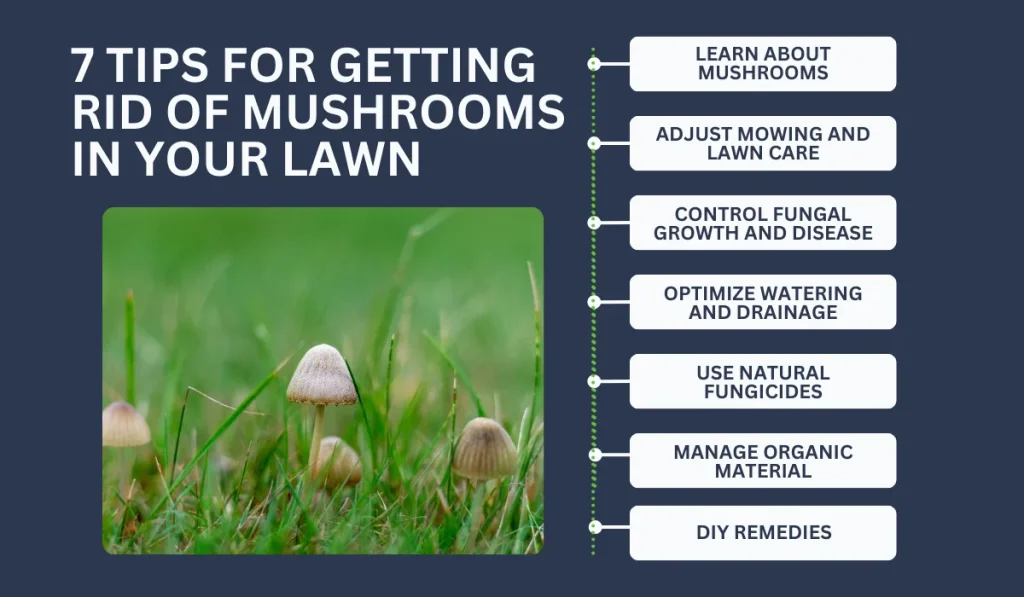
Image Source: sodlawn.com
Deciphering Lawn Mushrooms: What Are They and Why Do They Appear?
Identifying lawn mushrooms is the first step in lawn disease management. These fungi, often appearing after rain, are the fruiting bodies of a larger underground network of mycelium. They thrive in specific conditions, and their presence indicates a shift in your lawn’s ecosystem.
Common Reasons for Mushroom Growth:
- Excessive Moisture: Lawns that remain damp for extended periods are prime real estate for mushrooms. Poor drainage, overwatering, or natural dampness in shady areas contribute to this.
- Organic Matter Decomposition: Mushrooms are nature’s recyclers. They feed on decaying organic matter, such as thatch, dead leaves, animal droppings, or buried wood. The more decaying material, the more food for fungi.
- Thatch Buildup: A thick layer of thatch (dead grass stems and roots) can hold moisture and provide a nutrient-rich environment for fungal growth.
- Compacted Soil: Compacted soil restricts air and water circulation, leading to localized moisture buildup and creating ideal conditions for mushrooms.
- Shade: Areas of the lawn that receive less sunlight tend to stay cooler and moister, favoring fungal development.
- Underlying Wood or Debris: Buried tree stumps, old construction debris, or even root systems can provide a consistent food source for fungi, leading to persistent mushroom patches.
The Natural Approach to Mushroom Removal
While chemical fungicides are available, a natural approach is often more sustainable and beneficial for your lawn’s overall health. Here’s how to tackle lawn fungus removal using natural methods.
Step 1: Physical Removal – The Quick Fix
The most direct way to get rid of existing mushrooms is to physically remove them. This is a crucial part of DIY lawn mushroom treatment.
- Hand-pulling: Gently pull mushrooms from the ground, ensuring you remove the entire mushroom, including the base. This prevents spores from spreading.
- Bagging and Disposal: Place the removed mushrooms in a plastic bag and seal it tightly. Dispose of them in a garbage can, not a compost bin, to avoid spreading spores throughout your property.
- Avoid Mowing Over Them: Mowing over mushrooms can break them apart and spread their spores even further, potentially leading to more clusters.
Step 2: Addressing the Root Cause – Natural Mushroom Killer for Lawn Strategies
Simply removing the visible mushrooms is a temporary solution. To achieve effective mushroom control in grass, you must address the conditions that allow them to thrive.
A. Moisture Management
- Proper Watering: Water your lawn deeply but infrequently. Aim for about 1 inch of water per week, delivered in one or two watering sessions. This encourages deeper root growth and reduces surface moisture, making the environment less hospitable to fungi. Water in the morning so the grass has time to dry before evening.
- Improve Drainage: If your lawn has poor drainage, consider aeration. This process creates small holes in the soil, allowing water and air to penetrate more effectively.
- Check for Leaks: Ensure sprinkler systems or hoses are not leaking and over-saturating specific areas.
B. Thatch Management
- Dethatching: Thatch is a layer of dead and living organic matter between the grass blades and the soil. A thatch layer thicker than half an inch can harbor fungi. Dethatching (or power raking) removes this layer, improving air and water penetration and reducing the food source for mushrooms. This is a key component of healthy lawn tips mushrooms.
- Frequency: Dethatch your lawn when it’s actively growing, typically in the spring or fall, depending on your grass type.
C. Soil Aeration
- Compaction Relief: As mentioned, compacted soil is a major contributor to moisture issues. Aerating your lawn relieves compaction, allowing for better air and water movement.
- Timing: Aerate when your grass is actively growing. For cool-season grasses, this is in the fall or early spring. For warm-season grasses, it’s late spring or early summer.
D. Reducing Organic Debris
- Clean Up Leaves and Debris: Regularly rake up fallen leaves, grass clippings, and other organic debris. This removes potential food sources for the fungi.
- Bury or Remove Wood: If you suspect buried wood or construction debris is the cause, consider excavating and removing it. This is especially important for stubborn mushroom patches.
E. Sunlight and Airflow
- Prune Overhanging Branches: If shady areas are a problem, trim back tree branches to allow more sunlight and air to reach the grass.
- Improve Air Circulation: Ensure your lawn isn’t surrounded by dense shrubs or structures that trap moisture and reduce airflow.
Step 3: Natural Treatments for Lawn Fungus Removal
Beyond physical removal and environmental management, several natural treatments can help combat fungal growth.
1. Baking Soda Solution
Baking soda can alter the soil pH, making it less favorable for many types of fungi.
- Recipe: Mix 1 tablespoon of baking soda with 1 gallon of water.
- Application: Spray this solution directly onto the mushroom patches. Repeat every few days if necessary. Be cautious, as too much baking soda can also harm your grass.
2. Vinegar Solution
Vinegar is a mild acid that can kill fungi on contact.
- Recipe: Mix equal parts white vinegar and water.
- Application: Spray directly onto the mushrooms. Avoid over-application, as it can damage grass. This is a DIY lawn mushroom treatment for spot applications.
3. Milk Spray
Believe it or not, milk can be an effective natural fungicide. The proteins in milk, when exposed to sunlight, produce compounds that kill fungi.
- Recipe: Mix 1 part milk with 2 parts water.
- Application: Spray onto the affected areas. Repeat weekly or bi-weekly.
4. Hydrogen Peroxide
Hydrogen peroxide is an oxidizer that can kill fungal spores and mycelium.
- Recipe: Mix 1 part 3% hydrogen peroxide with 4 parts water.
- Application: Spray directly onto the mushrooms and surrounding soil. It will bubble as it works. Apply every few days.
5. Composting and Healthy Soil
Healthy soil is the best defense against lawn diseases, including fungal growth.
- Topdressing with Compost: Applying a thin layer of compost can improve soil structure, drainage, and introduce beneficial microbes that compete with fungi.
- Proper Fertilization: Feed your lawn with the right nutrients at the right times. A strong, healthy lawn is less susceptible to fungal infections. Use slow-release organic fertilizers.
Tackling Fairy Rings: A Specific Fungal Challenge
Fairy rings, circular patterns of darker green grass, brown grass, or mushrooms, are a common and sometimes persistent issue. These are also caused by fungi. Getting rid of them requires a focused approach to how to get rid of fairy rings.
Why Fairy Rings Appear:
Fairy rings are formed by the underground mycelium of specific types of fungi. As the mycelium grows outwards, it decomposes organic matter in the soil. This decomposition process releases nutrients that can lead to a flush of growth (the darker green ring) or, in drier conditions, can deplete moisture and cause browning. The mushrooms often appear at the outer edge of the ring.
Natural Methods for Fairy Ring Control:
- Aeration and Dethatching: These practices are essential for breaking up the dense mycelial mat that often forms fairy rings. Multiple aeration sessions might be needed.
- Watering: Deep, infrequent watering can help dilute the nutrients and reduce the flush of growth.
- Topdressing with Compost: Introducing beneficial microbes through compost can help break down the fungal mycelium and outcompete the fairy ring fungi.
- Breaking the Ring: Some gardeners have success by physically breaking the ring with a shovel or spade. This disrupts the outward growth of the mycelium. Dig out a trench on either side of the ring and remove the soil.
- Fungicide Treatment (Natural Options): While often persistent, some natural fungicides can help suppress fairy rings. Repeat applications of the baking soda, vinegar, milk, or hydrogen peroxide solutions mentioned earlier may offer some control, though complete eradication can be challenging.
Preventive Lawn Care: Keeping Mushrooms at Bay
The best way to manage lawn mushrooms is to prevent them from appearing in the first place. Incorporating these healthy lawn tips mushrooms into your routine will create an environment that discourages fungal growth.
Key Preventive Strategies:
- Maintain Proper Mowing Height: Keep your mower blade sharp and set to the correct height for your grass type. Taller grass shades the soil, keeping it cooler and moister, which can favor fungi. However, very short grass can be stressed and more susceptible to disease.
- Fertilize Wisely: Over-fertilizing, especially with nitrogen, can lead to excessive thatch buildup and weak grass that’s prone to fungal issues. Use balanced, slow-release fertilizers and follow application guidelines.
- Regular Aeration: Aerate your lawn at least once a year to prevent soil compaction and improve air and water flow.
- Dethatch Annually: Keep thatch layers under control by dethatching as needed.
- Consistent Watering: Establish a watering schedule that promotes deep root growth and avoids consistently wet surface conditions.
- Good Air Circulation: Trim back shrubs and trees that cast dense shade or impede airflow around your lawn.
- Clean Up Debris: Make it a habit to rake leaves and other organic matter regularly.
- Soil Testing: Periodically test your soil’s pH and nutrient levels. Adjustments based on test results can create a healthier growing environment for your grass.
Summary of Natural Mushroom Control
| Method | How it Works | Application | Frequency | Notes |
|---|---|---|---|---|
| Physical Removal | Removes visible fruiting bodies, preventing spore dispersal. | Hand-pull mushrooms, bag, and dispose of them properly. | As needed | Don’t mow over mushrooms. |
| Moisture Control | Reduces the damp conditions that fungi need to thrive. | Water deeply and infrequently; improve drainage. | Ongoing lawn care | Water in the morning. |
| Thatch Management | Eliminates a food source and improves air/water circulation. | Dethatch or power rake when thatch layer is thick. | Annually or as needed | Improves overall lawn health. |
| Soil Aeration | Relieves compaction, allowing better air and water movement. | Use a core aerator to create holes in the soil. | Annually | Especially important in clay soils. |
| Debris Removal | Removes potential food sources for fungi. | Rake leaves, grass clippings, and other organic matter. | Regularly | Prevents buildup of decaying material. |
| Baking Soda Spray | Alters soil pH, making it less favorable for fungi. | Mix 1 tbsp baking soda with 1 gallon water; spray on patches. | Every few days for persistent issues | Use cautiously; too much can harm grass. |
| Vinegar Spray | Mild acid kills fungi on contact. | Mix equal parts white vinegar and water; spray on mushrooms. | As needed | Avoid over-application to prevent grass damage. |
| Milk Spray | Proteins in milk, exposed to sunlight, produce antifungal compounds. | Mix 1 part milk with 2 parts water; spray on affected areas. | Weekly or bi-weekly | Can be effective for mild cases. |
| Hydrogen Peroxide | Oxidizer kills fungal spores and mycelium. | Mix 1 part 3% hydrogen peroxide with 4 parts water; spray on mushrooms and soil. | Every few days | Will bubble as it works. |
| Composting | Improves soil health and introduces beneficial microbes. | Topdress lawn with a thin layer of compost. | Annually or as needed | Enhances overall soil structure and fertility. |
| Fairy Ring Treatment | Disrupts the outward growth of mycelium and improves soil conditions. | Aeration, dethatching, compost topdressing, breaking the ring with a shovel. | Multiple treatments may be needed | Persistent issue requiring ongoing management. |
Frequently Asked Questions (FAQ)
Q1: Will removing mushrooms kill the fungus in my lawn?
A1: Removing the visible mushrooms is a temporary solution. The actual fungus exists as a network of mycelium underground. To effectively kill the fungus, you need to address the underlying conditions that promote its growth and, if necessary, apply treatments that target the mycelium.
Q2: Can I use common household cleaners on lawn mushrooms?
A2: It’s best to avoid harsh household cleaners as they can severely damage your grass and harm beneficial soil organisms. Stick to natural solutions like diluted vinegar, baking soda, or milk.
Q3: How do I know if I have a lawn disease problem or just mushrooms?
A3: Mushrooms are a symptom, often indicating a fungal issue or poor soil conditions. Other signs of lawn disease include discolored patches (yellow, brown, black), wilting, or unusual spots on the grass blades. If you’re unsure, it’s always a good idea to consult a local garden center or extension office for diagnosis.
Q4: Will these natural methods get rid of fairy rings permanently?
A4: Fairy rings can be persistent because the fungal mycelium can extend deep into the soil. Natural methods can help manage and suppress fairy rings, making them less noticeable or even causing them to disappear over time with consistent application. However, complete eradication can be challenging, and ongoing lawn maintenance is key.
Q5: Is it safe to let my pets walk on the lawn after applying natural treatments?
A5: Generally, yes. The natural treatments suggested (baking soda, vinegar, milk, hydrogen peroxide diluted with water) are considered safe for pets once they have dried. However, as with any application, it’s always best to keep pets off the lawn until the treated areas are dry to be completely sure.
By focusing on the health of your soil and following these natural methods for lawn fungus removal, you can effectively manage mushroom growth and cultivate a more vibrant, resilient lawn. Remember, consistency and patience are key to achieving the best results in your DIY lawn mushroom treatment journey.