
Can I put lime on my lawn? Yes, you can put lime on your lawn, and it’s often a beneficial practice for improving your grass’s health and vigor.
Adding lime to your lawn is a key aspect of good lawn care tips and acts as a soil amendment to improve your soil’s structure and nutrient availability. The amount of lime you should apply depends on several factors, primarily your soil’s current pH level and its texture. Applying the correct lime application rate ensures you achieve optimal pH balance for your grass, promoting robust grass health. This guide will walk you through everything you need to know about determining and applying the right amount of lime to your lawn.
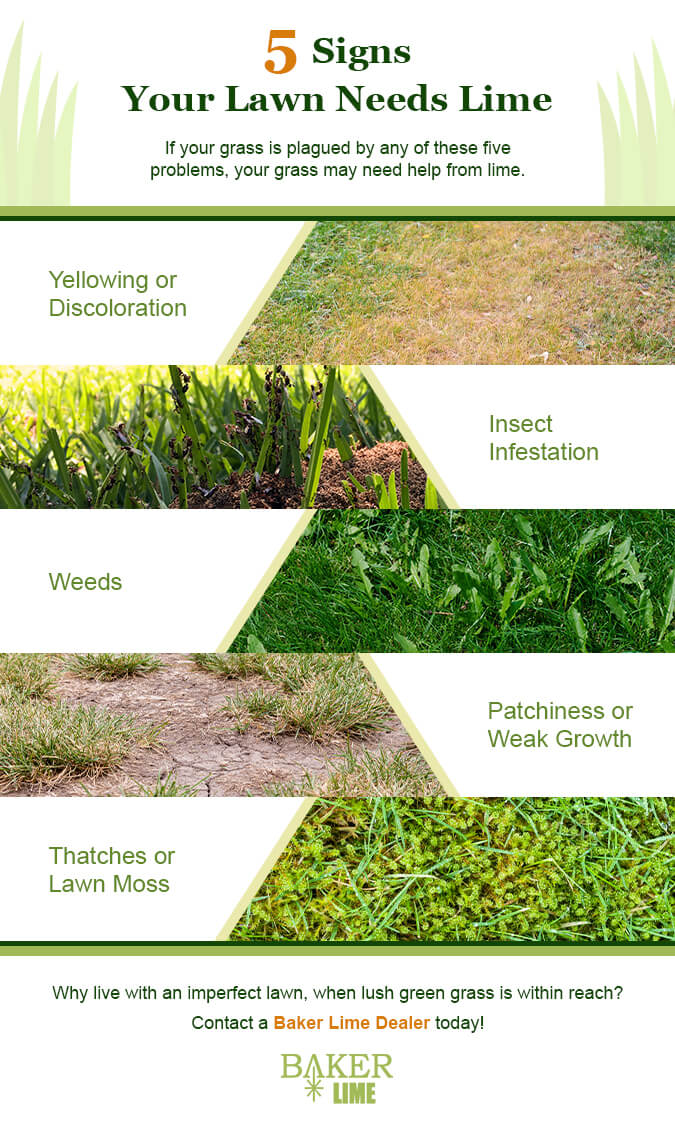
Image Source: www.bakerlime.com
Why Your Lawn Needs Lime: The Science of pH Balance
Your soil’s pH level is a measure of its acidity or alkalinity. Most common lawn grasses thrive in a slightly acidic to neutral pH range, typically between 6.0 and 7.0. When your soil’s pH falls outside this ideal range, it can significantly impact your lawn’s ability to absorb essential nutrients, even if those nutrients are present in the soil.
Soil testing is the most crucial first step in determining if your lawn needs lime. Without a soil test, you’re essentially guessing. A soil test will tell you your soil’s pH and also indicate which nutrients are deficient.
The Impact of Low pH (Acidity)
When soil becomes too acidic (low pH), several problems can arise for your lawn:
- Nutrient Lock-up: Essential nutrients like phosphorus, potassium, calcium, and magnesium become less available to grass roots. Even if you apply fertilizer, your grass won’t be able to use it effectively.
- Aluminum Toxicity: In very acidic soils, aluminum can become soluble and toxic to plants, damaging root systems and inhibiting growth.
- Reduced Microbial Activity: Beneficial soil microorganisms, crucial for breaking down organic matter and making nutrients available, are less active in acidic soils.
- Increased Weed and Moss Growth: Many common lawn weeds and moss species prefer acidic conditions, so their proliferation can be a sign of low soil pH.
The Impact of High pH (Alkalinity)
While less common in many residential areas, overly alkaline soils (high pH) also present challenges:
- Iron Chlorosis: Grass may develop a yellowing appearance (chlorosis) because iron becomes unavailable in alkaline conditions, hindering chlorophyll production.
- Micronutrient Deficiencies: Other essential micronutrients like manganese and zinc can also become less accessible.
Lime works to neutralize soil acidity by raising the pH. It introduces calcium and/or magnesium, which react with the acidic compounds in the soil, making it less acidic and improving nutrient availability.
Types of Lime for Your Lawn
There are several types of lime available for lawn and garden use, each with slight differences in composition and how quickly they work. The most common types you’ll encounter are:
Agricultural Lime (Ground Limestone)
This is the most widely used and recommended type of lime for general lawn care. Agricultural lime is simply finely ground limestone rock. It is typically a good source of calcium.
- Composition: Primarily calcium carbonate (CaCO₃).
- Speed of Action: It works relatively slowly because it needs to dissolve in the soil to affect the pH. However, its effects are longer-lasting.
- Availability: Widely available at garden centers and farm supply stores.
There are two main forms of agricultural lime:
- Calcitic Lime: Contains a higher percentage of calcium carbonate and very little magnesium. If your soil test indicates a deficiency in calcium, calcitic lime is a good choice.
- Dolomite Lime: Contains both calcium carbonate and magnesium carbonate (CaMg(CO₃)₂). If your soil test shows a deficiency in both calcium and magnesium, dolomite lime is ideal. However, if your soil already has sufficient magnesium, using dolomite lime might raise the magnesium levels too high, which can interfere with potassium uptake.
Quick Lime and Hydrated Lime
While technically forms of lime, quick lime (calcium oxide) and hydrated lime (calcium hydroxide) are generally not recommended for typical lawn applications.
- Quick Lime (CaO): Reacts very quickly and can be harsh on soil and plant life if not applied with extreme care and knowledge. It can burn grass.
- Hydrated Lime (Ca(OH)₂): Also reacts quickly and can cause a rapid, potentially damaging, increase in soil pH.
Stick with agricultural lime (ground limestone) for the safest and most effective results on your lawn.
How Much Lime To Put On Lawn: The Calculation
Determining the correct lime application rate is the core of this guide. The amount of lime needed is expressed in pounds per 1,000 square feet, and it’s directly tied to your soil test results and soil type.
Step 1: Get a Soil Test
As mentioned, this is non-negotiable. Contact your local county extension office for information on how to obtain a soil testing kit. They usually offer affordable or free testing services and provide detailed reports with recommendations tailored to your specific soil and climate.
Your soil test report will typically show:
- pH: The current acidity or alkalinity of your soil.
- Buffer pH or Cation Exchange Capacity (CEC): This indicates how resistant your soil is to pH changes. Soils with higher CEC (often clay soils) require more lime to adjust the pH than soils with lower CEC (sandy soils).
- Nutrient Levels: Recommendations for phosphorus, potassium, and other essential nutrients.
- Lime Recommendation: The report will often directly state the recommended amount of lime per 1,000 square feet to achieve an optimal pH.
Step 2: Interpret Your Soil Test Recommendations
Let’s assume your soil test indicates a need for liming. The report will usually provide a specific recommendation. For example, it might say: “Apply 50 lbs of agricultural lime per 1,000 sq ft to raise pH.”
Crucially, the lime recommendation is often for a specific type of lime and a specific pH target. If your report suggests a different type of lime than what you have (e.g., it recommends calcitic lime, but you only have dolomite lime), you may need to adjust the amount. Generally, dolomite lime is slightly more potent in raising pH than calcitic lime due to its magnesium content.
Step 3: Calculating for Different Soil Types and pH Needs
If your soil test doesn’t give a precise lime recommendation, or you want to understand the principles, here’s a general idea. Keep in mind these are guidelines, and your soil test is always the most accurate source.
General Guidelines for Lime Application (lbs per 1,000 sq ft):
| Current Soil pH | Target Soil pH (e.g., 6.5) | Sandy Soil | Loam Soil | Clay Soil |
|---|---|---|---|---|
| 5.0 | 6.5 | 40 | 60 | 80 |
| 5.5 | 6.5 | 30 | 45 | 60 |
| 6.0 | 6.5 | 20 | 30 | 40 |
These are approximate values and can vary significantly based on the specific lime product’s fineness and buffering capacity of your soil.
How to Use This Table:
- Find your current pH in the first column.
- Determine your target pH. For most lawns, this is around 6.5 to 7.0.
- Estimate your soil type. Sandy soils need less lime than clay soils to achieve the same pH change because they have a lower CEC.
- Locate the intersection to find the approximate amount of lime needed per 1,000 square feet.
Important Considerations:
- Fineness of Grind: Finer ground lime works faster than coarser ground lime. Most agricultural lime is processed to a fineness that provides a good balance of speed and duration of effect. If you have very coarse lime, you might need more.
- Amount to Apply at Once: It’s generally best not to apply more than 50 lbs of lime per 1,000 square feet in a single application. If your soil test indicates a need for a larger amount, split the application into two or more applications, waiting at least 3-6 months between each. This prevents over-liming, which can cause rapid pH swings and harm your grass.
When and How to Apply Lime
Timing and application method are as important as the amount.
Best Times to Apply Lime
- Fall: This is often considered the ideal time. The cool, moist conditions of autumn and winter allow the lime to gradually dissolve and work into the soil before the active growing season.
- Early Spring: You can also apply lime in early spring, but try to do it before the grass starts its rapid growth phase.
- Avoid High-Traffic Times: Do not apply lime when the lawn is very wet and soft, as this can lead to soil compaction if you’re using heavy equipment. Also, avoid applying it when the grass is actively growing and people or pets will be in direct contact with it soon after.
Application Methods
The most common methods for applying lime to a lawn are:
-
Using a Broadcast Spreader (Rotary Spreader): This is the most common and easiest method for homeowners.
- Calibrate your spreader: Before you begin, calibrate your spreader according to the manufacturer’s instructions and the lime bag’s recommendations. This ensures you’re applying the correct lime application rate.
- Divide your lawn: Mentally divide your lawn into sections.
- Measure the lime: Measure out the amount of lime needed for each section.
- Apply in a pattern: Walk back and forth across your lawn, slightly overlapping passes to ensure even coverage. Apply half the lime walking in one direction and the other half walking perpendicular to the first direction for maximum uniformity.
-
Using a Drop Spreader: Drop spreaders apply lime in a precise, narrow band.
- Walk in straight lines: Walk back and forth, ensuring the edge of the spreader’s path overlaps the previous path. This method offers greater accuracy but can be slower for larger lawns.
Important Application Tips:
- Read the Bag: Always follow the specific instructions on the lime product’s packaging, as different formulations and brands may have slightly different application rates.
- Keep it off Surfaces: Avoid getting lime on driveways, sidewalks, or patios, as it can leave a residue. Sweep or rinse it off immediately if this happens.
- Watering After Application: While not strictly necessary, a light watering after applying lime can help it start to work its way into the soil. However, avoid heavy watering immediately after, as it can wash the lime off the grass blades.
- Don’t Over-Apply: Over-liming can be detrimental. It’s better to under-apply and re-test your soil than to apply too much at once.
How Often Should You Apply Lime?
This depends entirely on your soil’s pH and how quickly it changes.
- Soil Test Frequency: It’s recommended to perform a soil test every 2-3 years to monitor pH levels and nutrient status.
- General Application Schedule: If your soil test indicates a need for liming, you might apply lime every 1-2 years, following the recommended rates. Some soils may hold their pH for longer, while others might require more frequent adjustments.
- Observe Your Lawn: Pay attention to signs of acidity, such as moss growth, poor turf color, and increased weed problems, as these can be indicators that your soil pH might be dropping.
Lime and Lawn Fertilization: A Dynamic Duo
Lime is not a fertilizer, but it significantly impacts how well your lawn fertilization efforts work.
- Nutrient Availability: By correcting pH imbalances, lime makes the nutrients from your fertilizer more available to your grass roots. Applying lime to acidic soil can be more beneficial than simply applying more fertilizer.
- Timing with Fertilization: You can often apply lime and fertilizer at different times of the year or even on the same day if done carefully. However, it’s generally advisable to apply them separately to avoid potential issues and to give each product its best chance to work effectively. For instance, if applying a combination product, ensure the manufacturer’s instructions are clear.
Frequently Asked Questions (FAQ)
- Q: Can I apply lime and fertilizer at the same time?
A: While not strictly prohibited, it’s often best to apply them at different times. If you must apply them together, ensure the products are compatible and follow any specific instructions from the manufacturers. Some specialty lawn products combine lime and fertilizer, but for standard granular products, separation is usually recommended. - Q: Will lime kill my grass?
A: No, when applied at the correct lime application rate, lime will not kill your grass. Over-application, however, can cause significant harm by drastically changing soil pH. Always follow soil test recommendations. - Q: What is the difference between agricultural lime and garden lime?
A: For lawn applications, “garden lime” and “agricultural lime” typically refer to the same thing: ground limestone. The term “agricultural lime” is more common for bulk products used for farming, while “garden lime” might be found in smaller bags at garden centers. The key is to look for ground limestone (calcitic or dolomite). - Q: How long does lime take to work?
A: Lime doesn’t work instantly. It needs to dissolve into the soil. Finer grinds work faster, but it can take several months for the full effect to be seen. This is why fall applications are often preferred – the lime has all winter to work. - Q: My soil test says my pH is too high. Should I add lime?
A: No. Lime is used to raise the pH of acidic soils. If your soil is alkaline (pH is too high), you should not add lime. Instead, you might consider elemental sulfur or acidifying fertilizers to lower the pH, but this should only be done based on a soil test and with careful application to avoid harming your lawn.
Conclusion: A Healthier Lawn Through Careful Liming
Applying lime to your lawn is a powerful soil amendment that can dramatically improve grass health by ensuring proper pH balance. The key to success lies in accurate soil testing and adherence to the correct lime application rate. By choosing the right type of lime – typically agricultural lime, dolomite lime, or calcitic lime – and applying it thoughtfully, you’re investing in a greener, more resilient, and more beautiful lawn. Remember that consistent lawn care tips, including regular soil testing and appropriate liming, are the foundation of a thriving turf.