
Mushrooms in your lawn can be unsightly and a sign of underlying issues. Can you kill mushrooms in your lawn fast and effectively? Yes, you can by addressing the conditions that encourage their growth and using appropriate treatments. This comprehensive guide will explore how to eliminate lawn mushrooms and maintain a healthier, more appealing lawn.
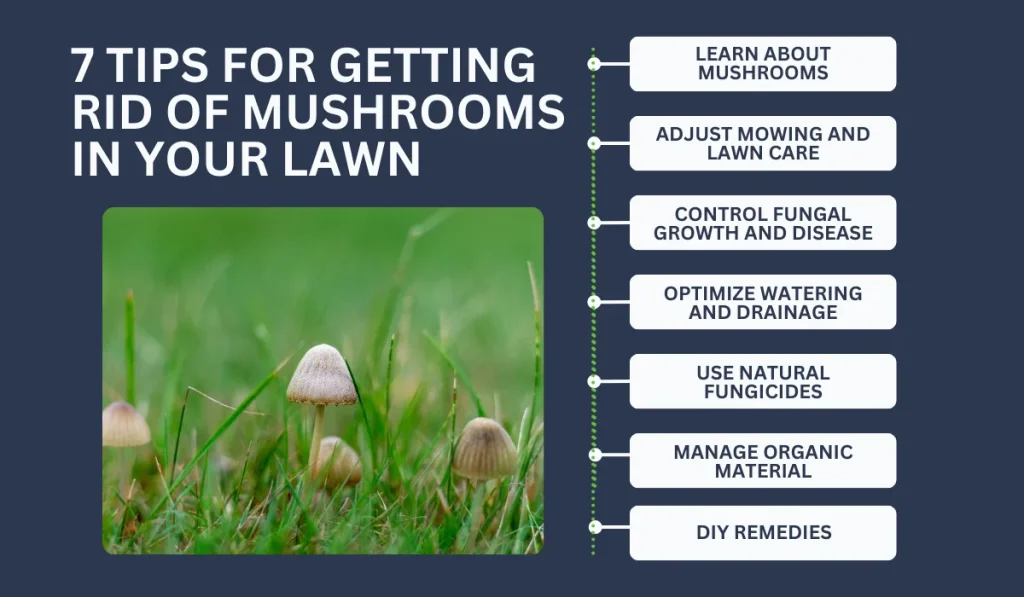
Image Source: sodlawn.com
Why Do Mushrooms Appear in My Lawn?
Mushrooms, also known as toadstools, are the fruiting bodies of fungi that live in the soil. They typically appear in lawns when certain conditions are met, often indicating an excess of organic matter and moisture. Fungal spores are always present in the soil, but they only sprout visible mushrooms when their environmental needs are satisfied.
Common Culprits for Mushroom Growth
Several factors contribute to the appearance of mushrooms in your lawn. Identifying these is the first step in effective mushroom control.
- Excess Organic Matter: Decaying leaves, thatch, old roots, and even animal waste provide a food source for the fungi. When this organic material breaks down, it fuels fungal growth.
- Moisture and Humidity: Fungi thrive in damp environments. Overwatering, poor drainage, and consistently wet conditions create ideal breeding grounds. Even extended periods of rain can trigger mushroom blooms.
- Shady Areas: Shady spots in your lawn tend to stay moist longer and can support fungal growth more readily than sunny, dry areas.
- Compacted Soil: Compacted soil restricts air circulation and water drainage, leading to consistently damp conditions that fungi love.
- Fertilizer Imbalance: While not a direct cause, imbalances in soil nutrients can sometimes create conditions favorable for certain fungi.
Methods for Mushroom Removal
Once you understand why mushrooms are appearing, you can implement strategies for mushroom removal. These methods focus on both immediate elimination and long-term prevention.
Immediate Mushroom Removal
The quickest way to get rid of visible mushrooms is to simply remove them.
- Hand-Picking: Wearing gloves, carefully pick the mushrooms from the ground. It’s best to pull them out, roots and all, to prevent them from releasing more spores.
- Bagging and Disposing: Place the removed mushrooms in a plastic bag, seal it tightly, and discard it in the trash. This prevents the spores from spreading further in your lawn.
While hand-picking is effective for immediate visual improvement, it doesn’t address the underlying cause. Mushrooms will likely return if the environmental conditions are not corrected.
Addressing the Root Cause: Lawn Care Practices
Effective mushroom control goes beyond simply picking mushrooms. It involves improving your overall lawn health and eliminating the conditions that foster fungal growth. This is where good lawn care practices come into play.
Improving Drainage
Proper drainage is crucial for preventing overly wet soil.
- Aeration: Aerating your lawn creates small holes in the soil, allowing air, water, and nutrients to penetrate deeper. This helps alleviate compaction and improves drainage.
- Dethatching: Thatch is a layer of dead and living organic matter that builds up on the soil surface. Excessive thatch can trap moisture, creating a damp environment ideal for fungi. Dethatching removes this layer.
- Leveling: Low spots in your lawn can collect water. Filling these depressions with soil can improve surface drainage.
Managing Organic Matter
Reducing the food source for fungi is a key strategy.
- Raking Leaves: Regularly rake fallen leaves, especially in the autumn. Don’t let them accumulate and decompose on your lawn.
- Thatch Management: As mentioned, dethatching is essential for removing excess organic matter.
- Compost Sparingly: While compost is good for soil, applying too much can add to the organic material that fungi feed on.
Watering Wisely
Correct watering practices are vital.
- Water Deeply and Infrequently: Encourage deep root growth by watering thoroughly but less often. This allows the soil surface to dry out between waterings.
- Water in the Morning: Watering in the morning allows grass blades to dry off during the day, reducing the risk of fungal diseases. Avoid evening watering if possible.
- Check Soil Moisture: Before watering, check if the soil is dry a few inches down. This prevents overwatering.
Sunlight and Airflow
- Prune Overhanging Branches: If shady areas are a problem, consider pruning trees and shrubs that cast excessive shade on your lawn.
- Improve Air Circulation: Overgrown shrubs or dense ground cover near the lawn can also reduce airflow. Trim them back to allow air to circulate freely.
Chemical Treatments for Mushroom Control
In cases of persistent or widespread mushroom growth, chemical treatments can be considered. These often involve using a lawn fungicide.
Lawn Fungicide Application
A lawn fungicide can help kill the fungi that cause mushrooms. It’s important to choose a product specifically designed for lawn use and to follow the label instructions carefully.
Types of Lawn Fungicides
- Broad-Spectrum Fungicides: These are effective against a wide range of fungal diseases.
- Specific Fungicides: Some fungicides are formulated to target particular types of fungi.
How to Use Lawn Fungicides Effectively
- Identify the Fungus (If Possible): While not always necessary for general mushroom control, knowing the specific type of fungus can help you choose the most effective fungicide.
- Read the Label: Always read and follow the product label instructions. This includes application rates, methods, and safety precautions.
- Apply Evenly: Use a spreader for granular fungicides or a sprayer for liquid formulations to ensure even coverage.
- Timing is Key: Apply the fungicide when mushrooms are first spotted or after rain when conditions are favorable for fungal growth. Repeat applications may be necessary based on the product and the severity of the problem.
- Consider the Environment: Be mindful of children, pets, and beneficial insects when applying any chemical treatment.
What About Weed Killer for Mushrooms?
Generally, a weed killer for mushrooms is not the correct approach. Weed killers are designed to kill plants, not fungi. While some broad-spectrum herbicides might have a minor effect on certain fungi, they are not an effective or recommended solution for mushroom control. Using a weed killer could also harm your grass. The correct product for fungal issues is a garden fungicide or specifically a lawn fungicide.
Organic Approaches to Eliminate Lawn Mushrooms
For those who prefer an organic lawn care approach, there are several effective methods to eliminate lawn mushrooms. These focus on natural solutions and improving soil health.
Natural Solutions
- Vinegar Solution: A diluted solution of white vinegar and water can sometimes be used to kill mushrooms. Mix one part white vinegar with four parts water and spray directly onto the mushrooms. Be cautious, as vinegar can also harm your grass if applied too liberally. Test in a small area first.
- Baking Soda: Baking soda can alter the soil’s pH, making it less hospitable to fungi. Sprinkle baking soda around the affected areas.
- Lime: Adding lime to your soil can also adjust the pH and discourage fungal growth. However, it’s important to test your soil’s pH first to ensure you don’t make it too alkaline.
The Importance of Soil Health in Organic Lawn Care
Organic lawn care emphasizes creating a healthy ecosystem where grass can thrive, naturally suppressing fungal growth.
- Composting: While over-application can be an issue, a well-balanced compost can improve soil structure and introduce beneficial microorganisms that compete with harmful fungi.
- Beneficial Microorganisms: Introducing beneficial fungi and bacteria can help break down organic matter more efficiently and outcompete the fungi that cause mushrooms.
- Healthy Grass: Strong, healthy turf is more resistant to fungal invasions. Regular mowing at the correct height, proper fertilization, and adequate watering contribute to overall lawn health.
Preventing Lawn Mushrooms: Long-Term Strategies
The best way to deal with mushrooms is to prevent lawn mushrooms from appearing in the first place. This involves ongoing lawn care and creating an environment where fungi cannot flourish.
Maintaining a Healthy Lawn
- Regular Mowing: Mow your lawn at the recommended height for your grass type. Taller grass shades the soil, keeping it cooler and moister, which can encourage some fungi. However, extremely short mowing can stress the grass, making it more susceptible to disease.
- Proper Fertilization: Feed your lawn with the right nutrients at the right times. Avoid over-fertilizing, which can lead to excessive thatch buildup and weak, disease-prone grass.
- Water Management: Consistent, appropriate watering is key. Avoid prolonged dampness on the soil surface.
Soil Improvement
- Regular Aeration and Dethatching: These practices should be part of your regular lawn maintenance schedule, especially if you have clay soil or a history of thatch buildup.
- Topdressing: Adding a thin layer of compost or sand can help improve soil structure and drainage over time.
Table: Mushroom Control Strategies
| Strategy | Description | Effectiveness | Notes |
|---|---|---|---|
| Hand-Picking | Manually removing visible mushrooms and their root systems. | Immediate | Does not address the root cause; mushrooms can regrow. |
| Improving Drainage | Aerating, dethatching, and addressing low spots to reduce soil moisture. | Long-term | Essential for preventing future growth. |
| Managing Organic Matter | Raking leaves, controlling thatch, and proper composting to reduce fungal food sources. | Long-term | Reduces the environment fungi thrive in. |
| Wise Watering | Watering deeply and infrequently, ideally in the morning. | Long-term | Prevents prolonged soil dampness. |
| Lawn Fungicide | Applying a chemical treatment to kill the fungi. | Short-to-medium | Follow label instructions precisely; consider environmental impact. |
| Organic Solutions | Using natural treatments like vinegar or baking soda, and focusing on soil health. | Short-to-long | Often requires repeated applications and commitment to soil health. |
| Healthy Turf | Maintaining strong, healthy grass through proper mowing, fertilization, and watering. | Long-term | The best defense against many lawn problems. |
Frequently Asked Questions About Lawn Mushrooms
Q1: Are lawn mushrooms harmful to my grass?
While mushrooms themselves are not directly harmful to your grass, their presence often indicates underlying soil conditions that can weaken your turf, such as excessive moisture or organic matter. The fungi that produce mushrooms can sometimes be pathogenic, but typically, the mushrooms are just a symptom of a broader issue.
Q2: Can I use bleach to kill mushrooms in my lawn?
It is not recommended to use bleach on your lawn to kill mushrooms. Bleach is a harsh chemical that can severely damage or kill your grass, making the problem worse. Stick to treatments designed for lawn care or organic solutions.
Q3: How quickly can I expect to see results after treating mushrooms?
If you are hand-picking, you’ll see immediate results. For chemical or organic treatments, it might take a few days to a week to notice the visible mushrooms disappearing. However, remember that eliminating the underlying causes for mushroom control is essential for long-term success.
Q4: Do mushrooms indicate poison?
Some mushrooms are poisonous, but most mushrooms that appear in lawns are not. However, it’s always best to err on the side of caution and never consume mushrooms from your lawn unless you are an expert identifier. The goal is mushroom removal, not consumption.
Q5: What is a fairy ring?
A fairy ring is a circular or arc-shaped growth of mushrooms in a lawn. They are caused by a fungal mycelium growing outwards underground. The mushrooms are just the visible part of the fungus.
Q6: Can I prevent lawn mushrooms entirely?
While it’s difficult to prevent mushrooms entirely as spores are ubiquitous, you can significantly reduce their occurrence by maintaining a healthy lawn and managing soil conditions. Consistent lawn care is your best bet.
Conclusion
Dealing with mushrooms in your lawn doesn’t have to be a constant battle. By implementing a combination of immediate mushroom removal techniques and focusing on long-term lawn health and lawn care practices, you can effectively eliminate lawn mushrooms and prevent their return. Whether you opt for chemical treatments like a lawn fungicide or embrace organic lawn care, addressing the root causes – excess moisture and organic matter – is the most crucial step towards a healthier, more attractive lawn. Remember, a well-maintained lawn is less susceptible to fungal issues, making prevent lawn mushrooms a continuous, achievable goal.