
What is the best way to prepare my lawn for summer? The best way to prepare your lawn for summer is to start with thorough spring lawn preparation, focusing on aeration, overseeding, fertilizing, weed control, and proper mowing and watering techniques. This comprehensive approach will ensure a healthy, vibrant, and resilient lawn ready to withstand the summer heat.
As the days lengthen and the mercury begins to climb, the anticipation of lush, green grass beckons. But achieving that picture-perfect summer lawn doesn’t happen by chance. It requires diligent effort and a strategic plan, beginning in the spring. This guide will walk you through every essential step of how to prepare your lawn for summer, transforming your outdoor space into a verdant oasis. We’ll cover crucial lawn care tips that will keep your grass thriving from the first warm days to the last vestiges of summer.
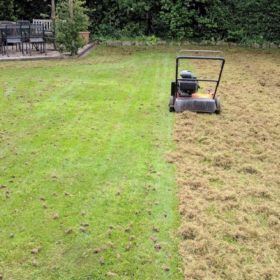
Image Source: premierlawns.co.uk
Spring Lawn Preparation: Laying the Foundation
Spring is the most critical time for lawn preparation. The actions you take now will directly impact your lawn’s health and appearance throughout the summer months. Think of spring as the ultimate tune-up for your lawn’s engine.
Aerating Lawn for Summer: Letting it Breathe
One of the most impactful spring lawn preparation steps is aeration. What is aeration? Aeration is the process of creating small holes in your lawn’s soil. This is typically done with a core aerator, which pulls out small plugs of soil and thatch.
Why aerate? Over time, foot traffic, mowing, and natural soil compaction can lead to a dense turf. This density restricts the flow of air, water, and nutrients to the grass roots, stressing the grass and making it more susceptible to diseases and drought.
- Benefits of Aeration:
- Improves air circulation to the roots.
- Allows water to penetrate deeper into the soil.
- Enhances nutrient uptake by the roots.
- Reduces thatch buildup, a layer of dead grass and organic matter that can stifle growth.
- Helps control soil compaction.
- Creates better seed-to-soil contact for overseeding.
When to Aerate: The best time to aerate is when your grass is actively growing. For cool-season grasses (like fescue, bluegrass, and ryegrass), this is typically in early spring or fall. For warm-season grasses (like Bermuda, zoysia, and centipede grass), late spring or early summer is ideal, just as they begin their active growth phase.
Overseeding Lawn: Filling the Gaps
After aeration, your lawn might look a bit patchy. This is the perfect opportunity to overseed. What is overseeding? Overseeding is the process of sowing grass seed directly into an existing lawn without tearing up the soil.
Why Overseed? Spring is an excellent time to overseed, especially if your lawn has thinned out over winter or has bare patches. It introduces new, vigorous grass varieties that can fill in these weak spots, increasing turf density and improving its resistance to pests, diseases, and environmental stress.
- Steps for Overseeding:
- Choose the Right Seed: Select a grass seed variety that matches your existing lawn type and is suited to your climate and sunlight conditions. Look for blends that offer disease and drought resistance.
- Prepare the Seedbed: After aerating, lightly rake the soil to loosen it and create a better surface for the seed to germinate.
- Spread the Seed: Use a spreader for even distribution. Follow the recommended seeding rates for your chosen grass type.
- Rake Gently: Lightly rake the newly seeded areas to ensure good seed-to-soil contact.
- Water Consistently: Keep the top inch of soil consistently moist until the seeds germinate and the new grass is established. This usually means light, frequent watering.
When to Overseed: For cool-season grasses, early spring is a good time. However, fall is often considered the best time for overseeding cool-season lawns as it allows for better root establishment before summer heat. For warm-season grasses, late spring after the last frost is ideal.
Fertilizing Lawn for Summer: Fueling Growth
Proper fertilization is key to a healthy, green lawn. When is the best time to fertilize my lawn for summer? Early to mid-spring, after the grass has greened up, is the ideal time to apply a starter fertilizer or a balanced slow-release fertilizer. This provides essential nutrients for vigorous spring growth, which builds a strong foundation for summer.
Types of Fertilizers:
- Slow-Release Fertilizers: These are excellent choices for spring and summer. They release nutrients gradually over several weeks, providing a steady supply of food for your grass without causing a sudden surge in growth that can make it more susceptible to stress.
- Starter Fertilizers: If you’ve overseeded, a starter fertilizer is beneficial. It contains a higher percentage of phosphorus, which promotes strong root development.
Fertilizing Lawn for Summer: While spring fertilization is crucial, a second application in late spring or early summer, after the initial growth spurt and before extreme heat, can be beneficial. Choose a fertilizer with a higher nitrogen content for greening, but ensure it’s formulated for summer use or is slow-release to prevent burning the grass.
Reading the Fertilizer Label: The numbers on a fertilizer bag (e.g., 10-10-10) represent the percentage of nitrogen (N), phosphorus (P), and potassium (K) by weight. Nitrogen promotes leaf growth and green color, phosphorus aids root development, and potassium improves overall plant health and stress tolerance.
Weed Control for Lawns: Eradicating Unwanted Guests
Weeds compete with your grass for water, nutrients, and sunlight. Tackling them in the spring is essential for a weed-free summer lawn. When should I apply weed control for lawns? Pre-emergent herbicides are best applied in early spring, before weed seeds germinate. Post-emergent herbicides are applied to control weeds that have already sprouted.
- Pre-Emergent Herbicides: These prevent weed seeds from sprouting. Apply them in early spring, typically when soil temperatures consistently reach around 50-55°F. Crabgrass is a common target for pre-emergent applications.
- Post-Emergent Herbicides: These kill existing weeds. Choose a product specific to the types of weeds you have. Many broadleaf weed killers are safe for established lawns when used according to label directions. Apply them when weeds are actively growing.
Integrated Weed Management:
- Healthy Turf: The best weed control is a thick, healthy lawn. Properly fertilizing, watering, and mowing creates conditions that make it difficult for weeds to establish.
- Manual Removal: For isolated weeds, hand-pulling is effective, especially after rain when the soil is soft. Ensure you get the entire root.
- Herbicides: Use herbicides judiciously and only when necessary, following all label instructions carefully.
Summer Lawn Maintenance: Keeping it Lush
Once your lawn is prepared, consistent summer lawn maintenance is key to preserving its health and beauty.
Watering Lawn in Heat: The Art of Hydration
How often should I be watering lawn in heat? Watering lawn in heat requires a shift in strategy. Instead of frequent, shallow watering, opt for deep, infrequent watering. Aim to water deeply once or twice a week, allowing the soil to dry out slightly between waterings. This encourages deeper root growth, making the grass more drought-tolerant.
When to Water: The best time to water is in the early morning, between 4 AM and 10 AM. This minimizes water loss due to evaporation from the sun and wind, and allows the grass blades to dry before nightfall, reducing the risk of fungal diseases.
- Signs Your Lawn Needs Water:
- Grass appears a dull bluish-green.
- Footprints remain visible on the grass long after you walk on it.
- Leaf blades begin to curl or fold.
Watering Techniques:
- Check Soil Moisture: Use a screwdriver or soil probe to check moisture levels. If it penetrates easily several inches down, the lawn has enough water. If it’s difficult to push in, it’s time to water.
- Sprinkler System: Ensure your sprinklers cover the entire lawn evenly. Adjust sprinklers to avoid watering sidewalks and driveways.
- Watering Duration: A good rule of thumb is to water until about one inch of water has been applied. You can measure this using a rain gauge or a tuna can placed in the sprinkler’s path.
Mowing Lawn for Summer: The Right Height Matters
What is the best mowing height for summer? During the hot summer months, it’s best to mow lawn higher than usual. Raising your mower blade to a height of 3 to 3.5 inches for most cool-season grasses, and potentially even higher for some warm-season varieties, provides several benefits.
- Benefits of Mowing Higher:
- Shades the Soil: Longer grass blades shade the soil, keeping it cooler and reducing moisture loss through evaporation.
- Deters Weeds: Taller grass crowds out weed seedlings, making it harder for them to establish.
- Promotes Deeper Roots: Encourages the grass to develop deeper, stronger root systems, making it more resilient to drought.
- Reduces Stress: Minimizes stress on the grass plant, which is already working hard to survive the heat.
Mowing Best Practices:
- Sharp Blades: Always use sharp mower blades. Dull blades tear grass, leaving jagged edges that can dry out and turn brown, making the lawn susceptible to disease.
- Don’t Remove More Than One-Third: Never remove more than one-third of the grass blade in a single mowing. This can shock the grass and hinder its growth. You may need to mow more frequently if your grass grows rapidly.
- Mulch Clippings: Leave grass clippings on the lawn (mulching). They decompose and return valuable nutrients to the soil, acting as a natural fertilizer. Ensure clippings are not clumped.
- Vary Mowing Pattern: Alternating your mowing pattern each time helps prevent the grass from becoming matted down and encourages upright growth.
Lawn Pest Prevention: Protecting Your Investment
Summer can bring an influx of lawn pests that can wreak havoc on an otherwise healthy lawn. Proactive lawn pest prevention is crucial.
Common Summer Pests:
- Grubs: These are the larvae of Japanese beetles and other scarab beetles. They feed on grass roots, causing brown patches that can be easily pulled up.
- Chinch Bugs: Tiny insects that suck the juices from grass blades, causing yellowing and browning, often in irregular patches.
- Armyworms and Cutworms: These caterpillars feed on grass blades and stems, creating brown, chewed areas.
Prevention Strategies:
- Healthy Lawn: A healthy, well-maintained lawn is the first line of defense. Strong, dense turf is more resilient to pest infestations.
- Regular Inspection: Walk your lawn regularly and inspect for signs of pest activity. Lift patches of turf to look for grubs, check grass blades for insects, and look for any unusual browning or damage.
- Proper Watering and Mowing: As mentioned, these practices contribute to overall lawn health, making it less attractive to pests.
- Beneficial Nematodes: For grub control, consider applying beneficial nematodes. These microscopic worms are natural predators of grubs and other soil-dwelling pests.
- Insecticides: If an infestation is severe, an insecticide may be necessary. Choose an appropriate product for the specific pest and apply it according to label directions. It’s often best to treat specific affected areas rather than the entire lawn.
- Milky Spore: This is a natural biological control for Japanese beetle grubs. It’s applied in the late summer/early fall and works over time.
Addressing Specific Summer Lawn Challenges
Drought Stress
Summer heat often brings periods of drought. How to identify and manage drought stress? Look for the signs mentioned earlier: bluish-green color, footprints that don’t disappear, and curling leaf blades.
- Water Wisely: Deep, infrequent watering is your best friend.
- Reduce Traffic: Minimize foot traffic on the lawn during extreme heat and drought.
- Adjust Mowing: Continue to mow higher to conserve moisture.
- Avoid Fertilizing: Do not fertilize a drought-stressed lawn, as it encourages growth that the lawn cannot support with limited water.
- Let it Go Dormant (if applicable): Some grass types, especially cool-season grasses, can go dormant during prolonged drought. This is a natural survival mechanism. The grass will turn brown but will usually green up again when cooler temperatures and rain return.
Heat Stress
Even with adequate water, extreme heat can stress grass.
- Mowing Height: Mowing higher helps.
- Shade: If possible, provide temporary shade for newly established or struggling areas.
- Avoid Activity: Limit heavy activity on the lawn during the hottest part of the day.
Seasonal Comparison: Spring Prep vs. Summer Care
It’s important to differentiate between the proactive steps taken in spring and the ongoing care required during summer.
| Activity | Spring Focus | Summer Focus |
|---|---|---|
| Aeration | Essential for root health and soil improvement | Generally not recommended during peak heat |
| Overseeding | Good for filling gaps; fall is often better | Avoid; seeds won’t establish well in heat |
| Fertilizing | Crucial for initial growth and nutrient buildup | Light feeding with summer-specific, slow-release fertilizer if needed |
| Weed Control | Pre-emergent application critical | Post-emergent for active weeds; focus on prevention |
| Mowing | Gradual height increase; focus on sharp blades | Mow higher (3-3.5 inches+); maintain sharp blades |
| Watering | Establish good watering habits | Deep, infrequent watering; early morning is best |
| Pest Control | Monitor for early signs | Active monitoring and prompt treatment |
Frequently Asked Questions (FAQ)
Q1: Can I still aerate my lawn in the summer?
A: It’s generally not recommended to aerate your lawn during the peak heat of summer. Aeration exposes the soil and roots, making them more vulnerable to drying out and sunscald. The best times for aeration are typically spring and fall when temperatures are moderate and the grass is actively growing.
Q2: How do I deal with brown patches in my lawn during summer?
A: Brown patches can be caused by several factors, including drought stress, grub infestation, fungal diseases, or pet urine. First, try to identify the cause. If it’s drought, increase watering. If you suspect grubs, dig up a small section of the affected area to check for them. If you see no pests, it could be a fungal issue, often exacerbated by heat and humidity. Proper mowing, watering, and aeration (done at the right time) can help prevent these issues.
Q3: Is it okay to fertilize my lawn in the summer?
A: Yes, but with caution. Use a fertilizer specifically formulated for summer use, which typically has a lower nitrogen content or is slow-release to prevent burning the grass. Avoid fertilizing during extreme heat waves or drought conditions. Early to mid-spring and early fall are the most critical times for fertilization.
Q4: My grass is turning yellow. What should I do?
A: Yellowing grass can indicate a lack of nitrogen, overwatering, underwatering, or a pest infestation. Check your watering schedule and soil moisture. Ensure you’re mowing at the correct height and that your mower blades are sharp. If you suspect a nutrient deficiency, a light application of a balanced, slow-release fertilizer might help. Inspect for pests like chinch bugs.
Q5: When is the best time to overseed my lawn?
A: For cool-season grasses (fescue, bluegrass, ryegrass), the best time to overseed is typically in early spring or, ideally, early fall. Fall provides cooler temperatures and less weed competition, allowing new grass to establish strong root systems before winter. For warm-season grasses (Bermuda, zoysia), overseeding is best done in late spring after the last frost and when soil temperatures are consistently warm.
By following these comprehensive lawn care tips, you can ensure your lawn not only survives but thrives throughout the summer months, offering a beautiful, green, and resilient carpet for all your outdoor enjoyment. Remember, consistent effort and observation are the keys to a truly lush lawn.