
Can you remove pine needles from your lawn easily? Yes! With the right tools and a little know-how, you can get your grass looking neat and tidy again. Pine needles can be a nuisance, covering your lawn and making it look unkempt. But don’t worry, this guide will walk you through the simplest and most effective ways to tackle this common lawn care challenge.
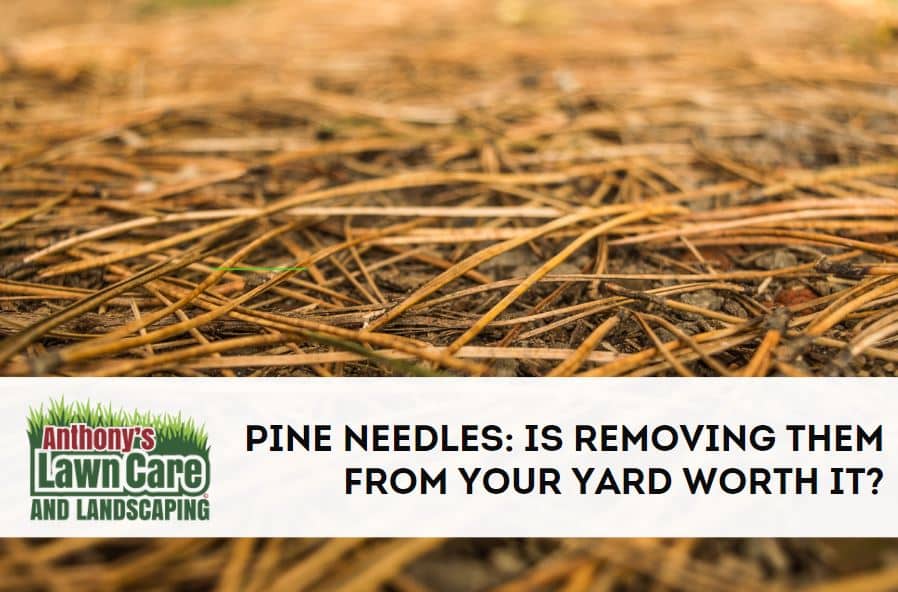
Image Source: www.bloomingtonlandscape.com
Why Pine Needles Are a Problem for Your Lawn
Pine needles, while a natural part of the landscape around pine trees, can cause several issues for your lawn. They are acidic, and while a light covering might not be detrimental, a thick layer can smother grass, block sunlight, and prevent air and water circulation. This creates a less-than-ideal environment for healthy grass growth. Over time, a heavy buildup can even lead to bare patches and encourage moss or other undesirable growth. Effective pine debris removal is key to maintaining a vibrant lawn.
The Impact of Pine Needles on Grass Health
- Sunlight Blockage: A dense layer of pine needles shades the grass, starving it of essential sunlight needed for photosynthesis.
- Air and Water Restriction: The needles form a barrier that hinders the free flow of air and water to the soil, potentially leading to root rot or drought stress.
- Acidity Levels: While pine needles decompose, they can slightly lower the soil’s pH. For most grasses, a slightly lower pH isn’t a major issue, but a very thick, prolonged covering can exacerbate this.
- Thatch Buildup: Decomposing pine needles contribute to thatch, a layer of organic matter that can become overly dense, further impeding water and air.
Your Guide to Pine Needle Removal Tools
Choosing the right tools is crucial for efficient pine needle removal. Different tools work best for different amounts of debris and lawn types. Let’s explore some of the most effective pine needle removal tools.
Raking Pine Needles: The Traditional Approach
Raking pine needles is a tried-and-true method. However, not all rakes are created equal when it comes to this specific task.
Types of Rakes for Pine Needles
- Leaf Rakes: These are generally too flexible and have tines that are too closely spaced to effectively gather pine needles. Needles tend to get caught and tangled.
- Stiff-Pronged Leaf Rakes: Look for rakes with stiff, widely spaced metal tines. These are designed to penetrate the layer of debris and pull it up without getting clogged too easily.
- Plastic Lawn Rakes: Some sturdier plastic lawn rakes can work well, especially those with more rigid tines.
- Shrub Rakes/Cobweb Rakes: These are smaller and have stiffer, often curved tines, making them excellent for gathering pine needles in tight spots or around landscaping.
Raking Techniques for Best Results
- Work in Sections: Don’t try to rake the entire lawn at once. Break it down into manageable sections.
- Pull, Don’t Push: For most rakes, pulling towards you is more effective than pushing. This helps lift the needles from the grass.
- Be Persistent: Pine needles can be stubborn. You might need to make several passes.
- Use a Tarp: For large areas, rake the needles onto a tarp. This makes gathering and transporting them much easier.
Using a Leaf Blower for Pine Needles
A leaf blower can be a real time-saver for cleaning pine needles from grass, especially over large areas. However, it’s important to know how to use it effectively for this specific type of debris.
Choosing the Right Leaf Blower
- Gas-Powered: Generally more powerful and ideal for large properties and heavy pine needle accumulation.
- Electric (Corded): Good for smaller to medium-sized lawns, but you’re limited by cord length.
- Battery-Powered: Offers portability and decent power for smaller to medium areas. Look for models with high CFM (Cubic Feet per Minute) ratings, as this indicates blowing power.
Leaf Blower Strategies
- Low Setting First: Start with a lower blower speed to avoid blowing grass out of the ground.
- Angle of Attack: Aim the blower at an angle to lift the needles off the grass.
- Work with the Wind (or Against It Strategically): If there’s a natural breeze, use it to your advantage. You can also strategically blow needles into piles.
- Combine with Raking: For stubborn areas, blow the bulk of the needles away and then use a rake to get the remaining stragglers.
- Be Mindful of Neighbors: Leaf blowers can be noisy, so consider the time of day and proximity to neighbors.
Other Helpful Pine Needle Removal Tools
Beyond rakes and blowers, a few other tools can simplify the process of pine debris removal.
- Hard Rakes/Garden Rakes: While not ideal for the final clean-up, a sturdy hard rake can help loosen compacted needles before using a leaf blower or a specialized rake.
- Dethatching Tools: If you have a significant thatch problem exacerbated by pine needles, a dethatcher (manual or powered) can help.
- Shop Vacuums (with appropriate attachments): For smaller areas or very specific spots, a powerful shop vacuum with a wide nozzle can be used. However, this is generally less practical for an entire lawn.
- Lawn Sweepers: These are excellent for larger areas and can efficiently collect pine needles and other lawn debris. They attach to riding mowers or can be pushed manually.
Effective Pine Needle Removal Methods
Now that we’ve covered the tools, let’s delve into the actual methods for cleaning pine needles from grass. The best way to clear pine needles often involves a combination of techniques.
Method 1: The Rake and Tarp Technique
This is a straightforward and effective method, especially if you don’t have a leaf blower or have a smaller lawn.
- Gather Your Tools: You’ll need a stiff-tined rake and a large tarp.
- Start Raking: Begin raking the pine needles into manageable piles. Work your way across the lawn, section by section.
- Pull Towards the Tarp: As you create piles, rake them onto the tarp. This prevents you from having to gather them from the ground multiple times.
- Bundle and Move: Once a section of the tarp is full, or you’ve covered a good portion of your lawn, gather the corners of the tarp to create a bundle.
- Dispose or Reuse: Carry the bundled needles to your designated pine needle disposal area.
Method 2: The Leaf Blower Blitz
This method is faster for large areas but might require a follow-up rake for perfection.
- Prepare the Area: If possible, blow the needles towards a central point or along a property line where they are easier to manage.
- Power Up: Turn on your leaf blower, starting at a lower speed.
- Direct the Flow: Aim the blower at an angle to lift the needles and push them in the desired direction. Work in a systematic pattern, like mowing your lawn.
- Create Piles: Blow the needles into large, manageable piles.
- Gather Piles: Use a rake or the leaf blower itself to consolidate smaller piles into larger ones.
- Final Touches: If there are still needles clinging to the grass, a quick pass with a stiff rake can pick them up.
Method 3: The Combination Approach
Often, the most efficient method is to combine techniques.
- Initial Blow: Use a leaf blower to clear the majority of the loose pine needles from open areas.
- Rake Stubborn Spots: Follow up with a stiff rake in areas where the blower couldn’t get all the needles, especially around trees, bushes, or in thick patches.
- Tarp for Collection: Use a tarp to collect the loosened needles from raking and any piles you created with the blower.
Advanced Lawn Care Pine Needles: Mulching and Disposal
What do you do with all those pine needles once you’ve collected them? There are several options for pine needle disposal and even beneficial uses.
Mulching Pine Needles
Did you know pine needles can be a valuable resource? Mulching pine needles has several benefits for your garden and can be a great way to manage them.
Benefits of Pine Needle Mulch
- Suppresses Weeds: The dense layer of needles helps prevent weed seeds from germinating.
- Retains Soil Moisture: It acts as a barrier, reducing evaporation and keeping your soil moist.
- Regulates Soil Temperature: It insulates the soil, keeping it cooler in summer and warmer in winter.
- Adds Nutrients: As they decompose, pine needles release nutrients into the soil. They are particularly good for acid-loving plants.
- Aesthetically Pleasing: A layer of pine needles can give garden beds a natural and tidy look.
How to Mulch with Pine Needles
- Choose the Right Areas: Pine needle mulch is excellent for acid-loving plants like blueberries, azaleas, rhododendrons, and evergreens. It can also be used around trees and in vegetable gardens.
- Layering: Apply a layer of about 2-3 inches around your plants, keeping it a few inches away from the stems to prevent rot.
- Mix if Needed: If you have an excessive amount, you can mix pine needles with other organic matter like compost to create a more balanced mulch.
Pine Needle Disposal Options
If mulching isn’t your preferred method, you have other pine needle disposal options.
- Composting: Pine needles can be composted, but they are considered a “brown” material (high in carbon). For efficient composting, mix them with “green” materials like grass clippings or kitchen scraps. It’s best to chop them up first to speed up decomposition.
- Bagging for Yard Waste: Check with your local municipality or waste management service. Many accept bagged yard waste containing pine needles.
- Burning (where permitted): In some rural areas, burning dry leaves and needles is allowed. Always check local ordinances and fire regulations before considering this option, and do so with extreme caution.
- Municipal Yard Waste Sites: Many areas have dedicated yard waste drop-off locations.
Maintaining Your Lawn: Proactive Pine Needle Management
Consistent lawn care pine needles can prevent major cleanups later. Implementing a good pine needle management strategy is key.
Seasonal Cleanup Schedule
- Fall: This is typically when the most needles accumulate as trees shed them. A thorough cleanup after most of the needles have fallen is recommended.
- Late Spring/Early Summer: Pine trees may shed some needles in warmer months too. A lighter cleanup might be necessary.
- Throughout the Year: Keep an eye on areas around your pine trees and do spot cleanups as needed to prevent heavy buildup.
Best Practices for Pine Needle Management
- Regular Monitoring: Don’t let needles accumulate to a thick, suffocable layer.
- Consider Tree Pruning: If possible, prune lower branches of pine trees that extend over your lawn. This can reduce the amount of needles that directly fall onto the grass.
- Edge Your Beds: Maintain a clear border between your lawn and garden beds to prevent needles from migrating.
Frequently Asked Questions About Pine Needles on Lawns
Can I leave pine needles on my lawn?
A very light dusting of pine needles is generally harmless and can even be beneficial as they decompose. However, a thick layer can smother your grass, block sunlight and air, and lead to lawn problems. Therefore, regular removal is recommended when accumulation is significant.
Are pine needles bad for grass?
Pine needles themselves aren’t inherently “bad” for grass, but a heavy accumulation can create an environment that is detrimental to grass health. The main issues arise from the physical barrier they create, preventing light, air, and water from reaching the soil.
How often should I remove pine needles?
The frequency of pine needle removal depends on the number of pine trees you have and the prevailing winds. In areas with many pine trees, you might need to rake or blow needles weekly during peak shedding seasons (fall and sometimes spring). For lighter accumulation, a bi-weekly or monthly cleanup might suffice.
Will pine needles kill my grass?
While they don’t directly “kill” grass in the way a disease might, a thick, prolonged blanket of pine needles can lead to the death of grass underneath due to suffocation and lack of essential resources like sunlight and air.
What is the best way to clear pine needles from a large lawn?
For large lawns, the best way to clear pine needles is often a combination of using a powerful leaf blower to move the bulk of the debris into piles, followed by a sturdy rake to gather the remaining needles. Using a tarp to collect the raked needles makes transport much easier. A tow-behind lawn sweeper can also be a highly effective tool for large areas.
Can I mow over pine needles?
Mowing over a light layer of pine needles is generally okay, especially if your mower has a mulching function. However, thick layers of pine needles can clog your mower deck, dull your blades quickly, and may not effectively break down the needles, leading to a messy result. It’s usually best to remove the majority of the needles before mowing.
By following these steps and utilizing the right tools, you can effectively manage pine needles and keep your lawn looking its best, ensuring a healthy and vibrant green space. Effective pine debris removal is a crucial part of good lawn care pine needles practices.