
Is your once vibrant lawn showing signs of distress, with unsightly brown spots on lawn appearing across the green expanse? Discovering yellow grass or entire patches of dying grass can be disheartening for any homeowner. This article delves into the common reasons behind lawn browning and provides actionable solutions to restore your lawn’s healthy appearance.
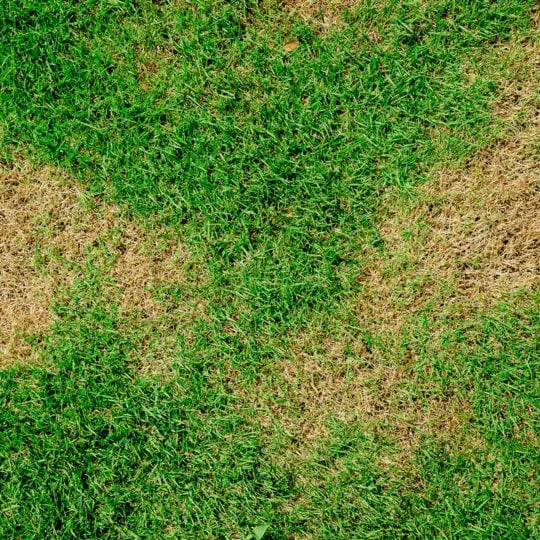
Image Source: www.greenlawnfertilizing.com
Fathoming Lawn Browning: A Multifaceted Issue
A brown lawn is a distress signal, indicating that your grass isn’t getting what it needs or is under attack. Several factors can contribute to this widespread problem, ranging from environmental stressors to biological invaders. To effectively tackle the issue, we must first diagnose the root cause.
Watering Issues: Too Much or Too Little
Water is the lifeblood of any lawn. Both insufficient and excessive watering can lead to browning.
Insufficient Watering
When temperatures soar and rain is scarce, your lawn can quickly dry out. Grass blades will start to lose their vibrant green hue and turn a dull, straw-like brown. This is the grass’s way of conserving moisture.
Signs of Underwatering:
- Wilting blades: Grass blades will begin to curl and fold.
- Footprints remain: When you walk on dry grass, your footprints will stay visible for longer than usual because the blades are too brittle to spring back.
- Dull color: The overall color of the lawn shifts from green to a faded, sometimes bluish-green, before turning brown.
Fixes for Underwatering:
- Deep and infrequent watering: Aim for about 1 inch of water per week, delivered in one or two sessions. This encourages deeper root growth, making the grass more drought-tolerant. Water early in the morning to minimize evaporation.
- Adjust watering based on weather: Hotter, drier periods will require more frequent watering. Cooler, humid days may require less.
- Check soil moisture: Before watering, stick a screwdriver or soil probe into the ground. If it goes in easily to a depth of 4-6 inches, the soil is likely moist enough.
Overwatering
Counterintuitively, too much water can also cause browning. Soggy soil deprives grass roots of oxygen, leading to root rot. Damaged roots cannot absorb water and nutrients effectively, resulting in dying grass. Overwatering also creates an environment conducive to fungal diseases.
Signs of Overwatering:
- Yellowing grass: Before turning brown, the grass might turn yellow.
- Mushy or waterlogged soil: The ground will feel constantly wet and spongy.
- Fungal growth: You might see mushrooms or white, powdery patches on the grass blades.
- Shallow roots: Roots may become shallow and prone to disease.
Fixes for Overwatering:
- Reduce watering frequency: Allow the soil to dry out slightly between watering sessions.
- Improve drainage: If your soil has poor drainage, consider aerating the lawn or amending the soil with compost to improve its structure.
- Watering timer adjustments: Ensure your irrigation system isn’t set to run too often or for too long.
Sun Scorch: The Summer Heatwave Effect
High temperatures and intense sunlight can overwhelm grass, especially in areas that receive direct sun for extended periods. Sun scorch occurs when grass blades are essentially “burned” by the sun’s intensity, particularly during heatwaves when the grass may already be stressed from lack of water.
Signs of Sun Scorch:
- Brown patches: These often appear in sun-exposed areas, particularly on south-facing slopes.
- Dry, brittle blades: The grass feels crispy to the touch.
- Wilting during the hottest part of the day: The grass may look greener in the morning and evening but wilts significantly by midday.
Fixes for Sun Scorch:
- Water deeply: Ensure the lawn is well-watered during hot spells to help it cope with the heat.
- Mow higher: Taller grass provides more shade for the soil and roots, reducing stress.
- Avoid mowing during extreme heat: Let the grass grow a little longer to protect it.
- Consider shade-tolerant grass varieties: If your lawn is consistently affected by sun scorch, you might consider overseeding with grass types that are more resistant to heat and drought.
Lawn Pests: Unseen Culprits of Browning
A variety of insects can damage your lawn, leading to browning and dying grass. These pests feed on grass roots or blades, weakening the plant and causing it to die. Identifying the specific pest is crucial for effective treatment.
Common Lawn Pests and Their Signs:
- Grubs: These C-shaped white larvae live in the soil and feed on grass roots. Infested areas will feel spongy and can be easily pulled up like a carpet. You might see increased activity of birds, moles, or skunks digging in your lawn, as they feed on grubs.
- Chinch Bugs: These small insects feed on grass blades, injecting a toxin that causes yellowing and browning, often in irregular patches, especially in sunny areas.
- Sod Webworms: The larvae of these moths feed on grass blades, creating chewed or ragged patches that turn brown. You might notice moth activity in the evenings.
- Armyworms: These caterpillars can rapidly defoliate large sections of lawn, causing brown patches to appear seemingly overnight.
Fixes for Lawn Pests:
- Identification is key: Use a magnifying glass to examine the grass blades and soil for signs of insects. You can also use a simple test: cut out a 1-square-foot section of turf and examine the soil for grubs.
- Beneficial nematodes: These microscopic worms can be applied to the soil to prey on grubs.
- Insecticidal soaps or horticultural oils: These can be effective against chinch bugs and other surface-feeding insects.
- Chemical insecticides: Use as a last resort and follow product instructions carefully. Choose products targeted to the specific pest you have identified.
- Promote healthy soil: A healthy lawn is more resistant to pest infestations.
Lawn Disease: The Silent Destroyer
Fungal diseases are a significant cause of lawn browning. These pathogens thrive in specific environmental conditions, such as excessive moisture, humidity, and poor air circulation. Lawn disease can manifest in various ways, from small rings of brown grass to widespread browning.
Common Lawn Diseases and Their Signs:
- Brown Patch: Characterized by circular patches of brown, straw-like grass, often with a dark brown or black border. The center of the patch may recover and turn green, creating a “frog’s eye” effect.
- Dollar Spot: Small, straw-colored spots about the size of a silver dollar appear across the lawn. The blades in these spots often have a distinct, sunken appearance.
- Red Thread: Reddish threads appear on the grass blades, giving the lawn a pinkish or reddish cast before turning brown. This disease often affects lawns that are deficient in nitrogen.
- Powdery Mildew: A white, powdery substance covers the grass blades, particularly in shady areas. It can weaken the grass and lead to browning.
- Rust: The grass blades develop a yellowish-orange or reddish-brown dusty coating, which is actually spores. Infected areas may appear less vigorous and eventually turn brown.
Fixes for Lawn Disease:
- Improve air circulation: Aerate your lawn to reduce soil compaction and improve air and water penetration.
- Adjust watering practices: Water deeply and infrequently in the morning to allow the grass to dry out before nightfall.
- Fertilize appropriately: Ensure your lawn receives adequate nitrogen, as many fungal diseases are more prevalent on nitrogen-deficient turf.
- Remove thatch: A thick layer of thatch can harbor diseases. Dethatch your lawn annually.
- Fungicides: For severe outbreaks, consider using a fungicide. It’s important to identify the specific disease to select the correct fungicide.
Nutrient Deficiency: What’s Missing?
Just like any living organism, grass needs a balanced diet of nutrients to thrive. A deficiency in key nutrients can lead to yellow grass and eventually browning.
Common Nutrient Deficiencies and Their Signs:
- Nitrogen Deficiency: This is one of the most common nutrient deficiencies. It causes a general yellowing or pale green color of the entire lawn, progressing to a light brown hue.
- Iron Deficiency: While the lawn may appear generally pale or yellow, the veins on the grass blades may remain green. This often occurs in alkaline soils where iron is not readily available to the grass.
- Potassium Deficiency: Can lead to weakened grass that is more susceptible to drought, disease, and wear, potentially resulting in browning.
Fixes for Nutrient Deficiency:
- Soil Testing: The best way to determine nutrient deficiencies is to conduct a soil test. This will tell you exactly what nutrients are lacking and what amendments are needed.
- Fertilization: Apply a balanced fertilizer based on the results of your soil test. For nitrogen deficiency, a nitrogen-rich fertilizer will help. For iron deficiency, apply an iron supplement or a fertilizer containing chelated iron.
- Organic Matter: Amending your soil with compost or other organic matter can improve nutrient availability and overall soil health.
Other Contributing Factors to Lawn Browning
Beyond the primary causes, several other factors can contribute to a brown lawn.
Thatch Buildup
Thatch is a layer of dead and living organic matter (stems, roots, and crowns) that accumulates on the soil surface, between the grass blades. A moderate amount of thatch is beneficial, but excessive thatch can prevent water, air, and nutrients from reaching the soil and roots, leading to browning.
Signs of Excessive Thatch:
- Spongy turf: The lawn feels springy when walked on.
- Increased susceptibility to pests and diseases: Thatch provides a perfect environment for some pests and diseases.
- Slow water infiltration: Water may run off the surface rather than soaking in.
Fixes for Thatch Buildup:
- Dethatching: Use a dethatching rake or a power dethatcher to physically remove the excess thatch. This is typically done in the fall or spring.
- Core Aeration: Aeration helps break down thatch by allowing air and moisture to penetrate the soil.
Foot Traffic and Compaction
Excessive foot traffic, especially on dry soil, can compact the soil, making it difficult for grass roots to grow and access water and nutrients. Compacted soil also reduces air circulation.
Signs of Soil Compaction:
- Hard, compacted soil: Difficult to push a screwdriver into.
- Slow drainage: Water puddles on the surface.
- Thin, sparse turf: Grass struggles to grow in compacted areas.
Fixes for Soil Compaction:
- Core Aeration: This is the most effective way to relieve soil compaction. It pulls out plugs of soil, allowing air and water to penetrate.
- Reduce Traffic: Limit foot traffic on the lawn, especially during dry periods or when the grass is weak.
Chemical Damage
Accidental spills of gasoline, oil, or certain harsh chemicals can kill grass, creating brown patches. Over-application of fertilizers or herbicides can also “burn” the grass.
Signs of Chemical Damage:
- Distinct brown or dead patches: Often with irregular shapes.
- Wilting and browning shortly after application of a product.
Fixes for Chemical Damage:
- Remove Contaminated Soil: For severe spills, you may need to remove the contaminated soil and reseed the area.
- Water Thoroughly: For herbicide or fertilizer burn, watering the area deeply can help dilute the chemical and flush it through the soil.
- Patience: In some cases, the grass may recover with proper watering and care.
Pet Urine
Animal urine contains high levels of nitrogen, which can act as a fertilizer in small amounts but can “burn” the grass in concentrated doses, creating brown spots on lawn with a green ring around them.
Fixes for Pet Urine Damage:
- Dilute the urine: Water the spot immediately after your pet urinates on it.
- Train pets: Encourage your pets to use a designated area of the yard.
- Repair the damage: Once the spot has dried, you may need to rake out the dead grass and reseed the area.
Restoring Your Lawn: A Comprehensive Lawn Care Approach
Addressing a brown lawn requires a systematic approach to lawn care and promoting overall grass health.
Step 1: Diagnose the Cause
Before you do anything, take a close look at your lawn.
- Observe the Pattern: Are the brown spots circular, irregular, or widespread?
- Check Soil Moisture: Is it dry, soggy, or normal?
- Examine Grass Blades: Are they wilting, brittle, yellow, or showing signs of insect damage?
- Look for Pests: Dig into the soil to check for grubs or look closely at the blades for chinch bugs.
- Consider Recent Weather: Has there been a heatwave, heavy rain, or frost?
- Think About Recent Activities: Did you apply any new treatments or chemicals?
Step 2: Implement Targeted Fixes
Based on your diagnosis, apply the appropriate solutions discussed above.
Step 3: Focus on Prevention
Once you’ve corrected the immediate issues, implement preventative measures to maintain grass health and prevent future browning.
- Proper Watering Schedule: Aim for deep, infrequent watering.
- Regular Mowing: Mow at the correct height for your grass type, keeping mower blades sharp.
- Balanced Fertilization: Fertilize according to soil test recommendations.
- Aeration and Dethatching: Perform these tasks annually or as needed.
- Pest and Disease Monitoring: Regularly inspect your lawn for early signs of problems.
- Overseeding: Fill in thin or bare spots with appropriate grass seed to create a denser lawn.
Frequently Asked Questions (FAQ)
Q1: My lawn is turning brown, but I’m watering it regularly. What else could be wrong?
A1: If you’re watering consistently and your lawn is still browning, you might be overwatering, which can lead to root rot and disease. Alternatively, there could be a pest infestation or a fungal lawn disease at play, or you might have a nutrient deficiency. A soil test can help pinpoint nutrient issues, and closer inspection of the grass and soil is needed to identify pests or diseases.
Q2: Can I fix my lawn if it’s completely brown?
A2: It depends on the cause of the browning. If the grass roots are still alive, even if the blades are brown, the lawn can often recover with proper watering and care. However, if the roots have died (which you can test by gently pulling on a brown patch – if it lifts easily like a carpet, the roots are likely dead), you will need to reseed or re-sod the affected areas.
Q3: How often should I water my lawn?
A3: Most established lawns need about 1 inch of water per week, whether from rain or irrigation. The best practice is to water deeply and infrequently, usually once or twice a week, rather than light watering every day. This encourages deeper root growth. Water early in the morning to minimize evaporation.
Q4: What is the best time of year to fertilize my lawn?
A4: The best time to fertilize depends on your grass type. For cool-season grasses (like fescues and ryegrass), the best times are typically early fall and late spring. For warm-season grasses (like Bermuda and Zoysia), early to mid-summer is usually ideal. Always follow the fertilizer packaging instructions and consider a soil test for precise recommendations.
Q5: How do I get rid of brown spots on my lawn caused by my dog?
A5: Dog urine can burn grass due to its high nitrogen content. The best way to prevent this is to water the area immediately after your dog urinates on it. You can also train your dog to use a specific area of the yard or install a designated “dog spot” with mulch or gravel. For existing brown spots, rake out the dead grass and reseed the area.
By carefully diagnosing the cause of your lawn’s browning and implementing the appropriate fixes, you can restore its lush, green appearance and ensure long-term grass health. Consistent and proper lawn care is key to preventing future problems.