
What is the best way to repair a lawn damaged by dog urine? The best way to repair a lawn damaged by dog urine is to act quickly, remove excess urine, and then reseed the damaged areas with hardy grass.
Dog urine can be a lawn’s worst enemy, leaving behind unsightly brown patches and even killing grass. Fido’s frequent potty breaks can turn your once-lush green carpet into a desolate wasteland. But don’t despair! With the right approach, you can effectively tackle dog urine lawn damage repair and bring your lawn back to life. This comprehensive guide will walk you through everything you need to know about fixing dog urine spots on grass, from immediate treatment to long-term prevention.
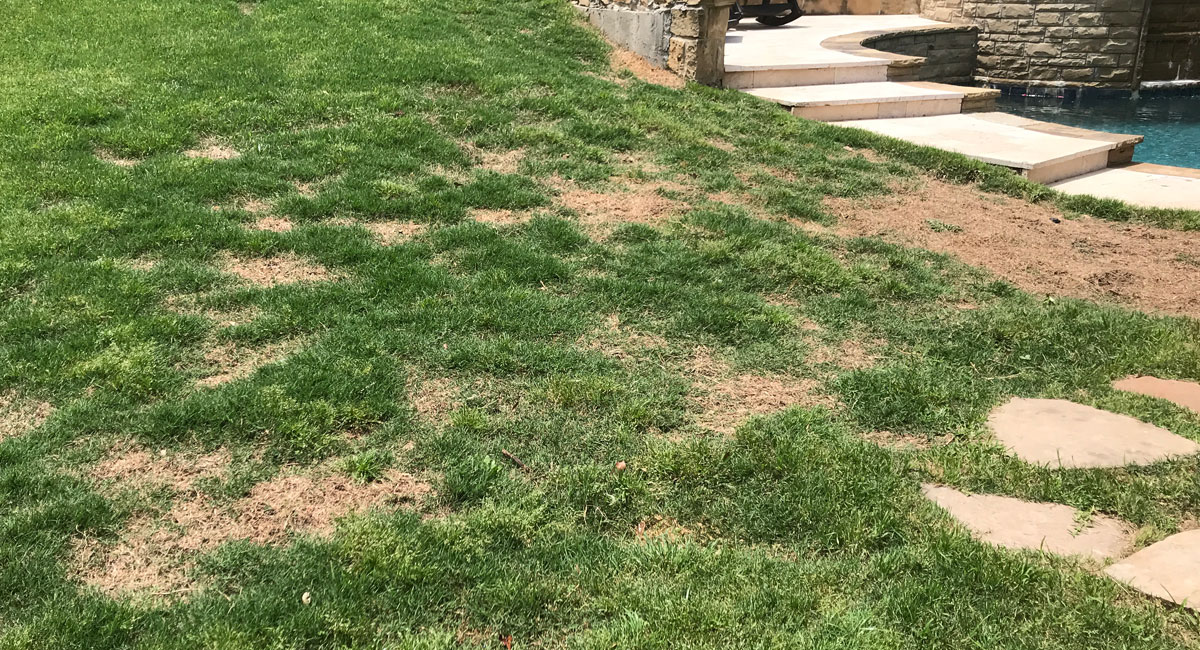
Image Source: sgtpoopers.com
Why Dog Urine Hurts Your Lawn
Before diving into repairs, it’s helpful to understand why dog urine is so damaging. Dog urine is high in nitrogen, which can act like a fertilizer in small amounts. However, when concentrated in one spot by a dog repeatedly visiting the same area, it becomes too much for the grass to handle. This over-fertilization burns the grass roots, leading to those distinctive brown or yellow patches.
The salts and other compounds in urine also dehydrate the grass blades, further contributing to the browning effect. So, while Fido might think he’s leaving a gift, he’s actually delivering a potent chemical burn to your lawn.
Immediate Steps: Addressing Fresh Urine Spots
The key to minimizing damage is to act fast when you notice your dog using your lawn as a restroom.
Flushing the Area
The quickest and most effective immediate step is to flush the affected area with plenty of water.
- Timing is Crucial: The sooner you water after your dog urinates, the more you can dilute the urine’s concentration before it has a chance to burn the grass.
- How Much Water? Aim for at least 5-10 gallons of water per spot. A good way to do this is to use a hose with a sprinkler setting or a watering can.
- Why it Works: Water dilutes the nitrogen and salts, allowing them to be absorbed by the soil more evenly instead of concentrating and scorching the grass.
This simple act of flushing is a powerful dog pee lawn treatment that can prevent minor spots from becoming major problems.
Repairing Existing Dog Urine Damage: A Step-by-Step Approach
When flushing isn’t enough, or you’re dealing with established brown patches, a more involved repair process is needed.
Step 1: Assess the Damage
Examine the affected areas. Are they small, isolated spots, or are they larger, more widespread patches? The extent of the damage will dictate the best repair strategy.
- Minor Spots: Small, slightly yellowed areas might recover with proper watering and perhaps some light fertilization.
- Severe Browning: Completely dead, brown patches will require removal of the dead grass and reseeding.
Step 2: Remove Dead Grass and Debris
For patches where the grass is completely dead, you’ll need to clear out the affected area.
- Tools: Use a rake, a stiff brush, or a trowel.
- Process: Gently rake or scrape away all the dead, brown grass and any thatch (dead grass stems and roots) from the surface of the soil. You want to expose the bare soil underneath.
- Why This is Important: This removes any lingering concentrated urine residue and creates a clean surface for new grass to grow.
Step 3: Loosen the Soil
Once the dead grass is removed, loosen the soil in the affected area.
- Tools: A trowel, garden fork, or cultivator.
- Process: Gently dig into the soil to a depth of about 2-3 inches. This helps with aeration and allows new seed to establish better root systems.
- Benefits: Loosened soil improves drainage and makes it easier for young grass roots to penetrate and grow.
Step 4: Amend the Soil (Optional but Recommended)
If your soil is particularly compacted or has poor drainage, consider amending it.
- Compost or Topsoil: Mixing in a small amount of good quality compost or topsoil can improve soil structure, fertility, and moisture retention.
- Application: Spread a thin layer (about 1/4 to 1/2 inch) of compost over the loosened soil and gently work it in.
This step is a crucial part of restoring grass from dog urine damage, as it provides a healthy foundation for new growth.
Step 5: Seeding the Damaged Areas
This is where the magic happens – bringing your lawn back to life.
Choosing the Right Seed
Selecting the appropriate grass seed is vital for successful seeding dog urine damaged areas.
- Consider Your Existing Lawn: Try to match the seed to the type of grass already growing in your lawn for a seamless look.
- Drought and Heat Tolerance: Many dog urine-resistant grasses are also known for their resilience. Look for varieties like:
- Fescues (Tall Fescue, Fine Fescue): These are generally tough and can withstand some drought.
- Perennial Ryegrass: Known for quick germination and good wear tolerance, but can struggle in extreme heat.
- Kentucky Bluegrass: A premium choice for many climates, but can be slower to establish and requires consistent moisture.
- “Dog-Friendly” Seed Mixes: Some brands offer seed mixes specifically marketed for lawns prone to pet damage, often featuring a blend of hardy grass types.
Seeding Techniques
- Even Distribution: Sprinkle the seed evenly over the prepared soil. You can use a hand spreader for larger areas or simply scatter it by hand for small spots.
- Seed-to-Soil Contact: Lightly rake the seed into the soil to ensure good contact. Avoid burying the seed too deeply; it should be about 1/4 inch down.
- Covering: A light layer of straw or peat moss can help retain moisture and protect the seeds from birds and wind.
Step 6: Watering the New Seed
Proper watering is absolutely critical for new grass seed to germinate and establish.
- Frequency: Keep the seeded area consistently moist, but not waterlogged. This might mean watering lightly several times a day, especially in warm or windy weather.
- Duration: Once the grass begins to grow and thicken, you can gradually reduce watering frequency but increase the amount of water each time. Aim for deeper, less frequent watering to encourage strong root development.
- Patience: Germination times vary depending on the grass type and weather conditions, but it can take anywhere from 7 to 21 days or more.
Step 7: Fertilizing the Repaired Areas
Once the new grass has grown to about an inch or two in height, it’s time to fertilize.
- Type of Fertilizer: Use a starter fertilizer, which is formulated to provide the nutrients necessary for new grass growth. Look for a higher phosphorus content (the middle number in the N-P-K ratio).
- Application: Follow the instructions on the fertilizer packaging carefully. Over-fertilizing can damage new grass.
- Benefits of Fertilizing: Fertilizing a dog urine damaged lawn area that has been reseeded helps the new grass establish quickly and become more resilient.
Long-Term Strategies: Preventing Future Damage
While repairing is important, preventing dog urine damage to lawn is the ultimate goal for any dog owner.
Training Your Dog
The most effective way to prevent lawn damage is to train your dog to use a designated potty area.
- Designated Spot: Choose a specific area of your yard, perhaps a corner or a specific patch of gravel or mulch.
- Positive Reinforcement: Take your dog to the designated spot regularly, especially after waking up, eating, and playing. When they eliminate there, offer praise and a treat.
- Leash Walks: Initially, use a leash to guide your dog to the spot. This helps them associate the area with potty breaks.
- Consistency: Be consistent with your routine and your rewards.
Hydration is Key
A well-hydrated dog is less likely to have highly concentrated urine.
- Fresh Water: Always ensure your dog has access to plenty of fresh, clean water.
- Water Bowl Location: Place water bowls in easily accessible locations, both inside and outside.
Diet Adjustments
While not always a cure-all, diet can play a role.
- Balanced Diet: Feed your dog a high-quality, balanced diet. Some believe that certain food additives or ingredients can contribute to urine acidity or concentration.
- Consult Your Vet: If you suspect diet is a major factor, discuss it with your veterinarian. They can offer tailored advice.
Supplements and Lawn Treatments
There are products available that claim to help mitigate dog urine damage.
- Urine Neutralizers: Some products are designed to be added to your dog’s food or water, with the aim of reducing the nitrogen and salt content in their urine. Results can vary, and it’s best to consult your vet before adding any supplements.
- Lawn Treatments: Several commercial dog pee lawn treatment products are available that are sprayed on the lawn to neutralize urine. These can offer temporary protection, but consistent application is often needed.
Using Dog Urine Resistant Grass Varieties
As mentioned earlier, some grass types are naturally more resilient.
- Tall Fescue: This is a popular choice for dog owners due to its deep root system and tolerance for wear and tear, as well as some urine.
- Fine Fescues: These are also quite hardy and can handle partial shade.
- Consider a Blend: A mix of hardy grass types often provides the best overall resilience.
Creating Designated Potty Areas
If training to a specific spot isn’t fully effective, consider creating a dedicated potty area.
- Gravel or Mulch: A section of your yard covered in pea gravel or wood mulch can absorb urine better than grass and is easier to clean.
- Potty Grass Patches: You can also buy or create specific patches of grass or artificial turf designed for dog use.
Dealing with Stubborn Brown Patches
Sometimes, despite your best efforts, you’ll still encounter those stubborn brown patches. Here are a few additional tips for restoring grass from dog urine.
Aeration
If your soil is compacted, especially in high-traffic dog areas, aeration can help.
- Tools: You can use a manual core aerator or rent a machine.
- Process: Core aeration pulls small plugs of soil from the ground, creating holes that allow air, water, and nutrients to penetrate the soil more effectively.
- Timing: Aerate in the fall or spring when grass is actively growing.
Overseeding
Overseeding involves spreading grass seed over an existing lawn without tearing it up.
- When to Overseed: This is a good practice to thicken your lawn and introduce more resilient grass types.
- Process: Mow your lawn slightly shorter, aerate, then spread your chosen seed. Rake it in and water well.
Using a “Dog Urine Lawn Killer Solution” (with caution)
While no single dog urine lawn killer solution exists in the sense of a product that magically erases damage without work, some products aim to help.
- Soil Conditioners: Some products are designed to improve soil health and help grass recover.
- Enzyme Cleaners: These can break down organic matter in the soil, which might help with urine residue.
- Important Note: Always follow product instructions meticulously and test in a small area first. Many DIY or commercial “solutions” involve flushing with water, applying baking soda (use sparingly as too much can be harmful), or using specific soil amendments.
Frequently Asked Questions (FAQ)
Can I just pour water on it?
Yes, pouring plenty of water immediately after your dog urinates is the best first step to dilute the urine and prevent it from burning the grass.
How long does it take for grass to grow back after dog urine damage?
With proper repair, including reseeding and consistent watering, new grass can start to emerge in 7-21 days, and the area can look significantly better within a few weeks to a couple of months, depending on the season and grass type.
Is there a grass that is resistant to dog urine?
While no grass is completely immune, certain types like Tall Fescue are generally more resilient to dog urine due to their deep root systems and hardiness.
What does a dog urine spot look like?
Dog urine spots typically appear as dead, brown, or yellow circular patches in the lawn. Sometimes, the edges of the patch might have a greener, “nitrogen-rich” halo.
Should I use baking soda on dog urine spots?
Baking soda can help neutralize odors and can be used sparingly in very small amounts. However, too much can raise the soil’s pH and harm grass. Flushing with water is a safer and often more effective immediate solution.
How can I fertilize a dog urine damaged lawn area?
Once you’ve cleared the dead grass and are ready to reseed, use a starter fertilizer with a higher phosphorus content to encourage new growth. Once the new grass is established, you can switch to your regular lawn fertilizer.
By understanding the causes of dog urine lawn damage and implementing these effective repair and prevention strategies, you can maintain a healthy, beautiful lawn that both you and your furry friend can enjoy. Remember, consistency and a bit of patience are key to restoring grass from dog urine and keeping those dreaded brown patches at bay.