
Can you stop crows from digging up your lawn? Yes, you can effectively stop crows from digging up your lawn by using a combination of deterrents and understanding their behavior.
Crows are intelligent, resourceful birds that can become a nuisance in our gardens and lawns. Their natural foraging behavior, which includes searching for grubs, insects, and seeds, often leads them to disturb manicured grass and planted areas. This can result in unsightly holes and uprooted plants, which is frustrating for any homeowner dedicated to their lawn care. Fortunately, there are numerous deterrents and humane methods available to protect your garden protection without causing harm to these clever corvids. This comprehensive guide will explore effective strategies, from simple scare tactics to more permanent solutions, all focused on birdproofing your property and promoting harmonious wildlife management.
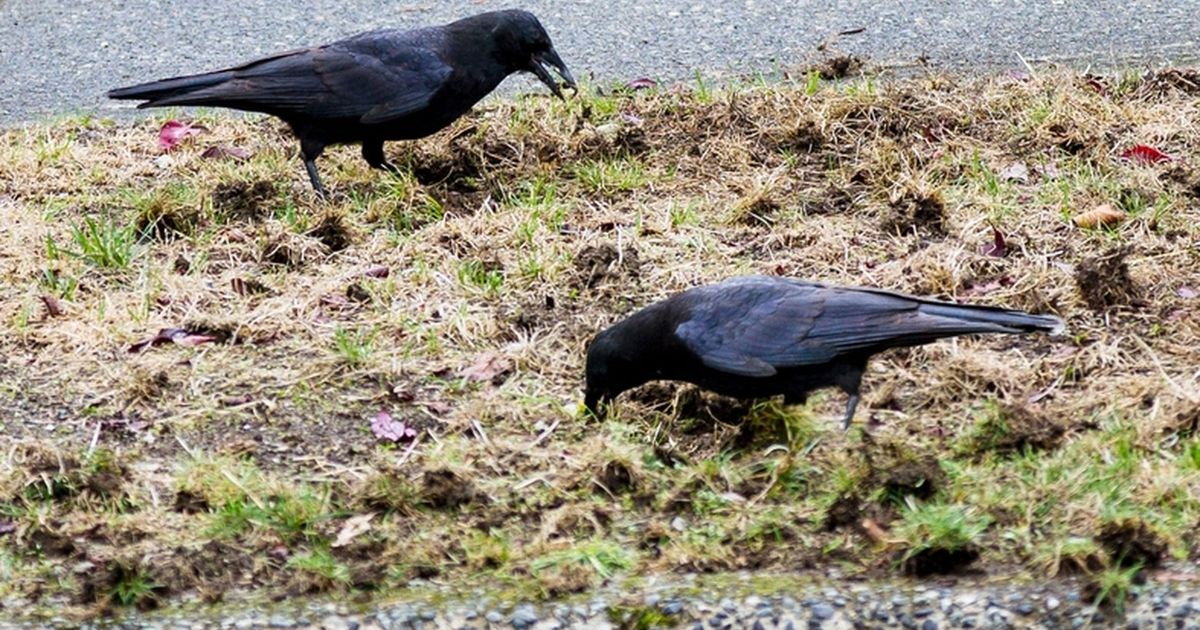
Image Source: images.seattletimes.com
Why Crows Dig Up Lawns
Before we dive into the solutions, it’s important to grasp why crows are digging in the first place. Their primary motivation is food.
Common Food Sources Attracting Crows
- Insects and Grubs: Crows are excellent at finding larvae and other invertebrates that live just beneath the soil surface. These are a vital protein source, especially for young birds.
- Earthworms: Soft soil after rain makes earthworms more accessible to crows.
- Seeds and Grains: If you have bird feeders, spilled seeds can attract crows. They might also unearth seeds from your flower beds.
- Fallen Fruit: Ripe or fallen fruit from trees can be a tempting snack.
- Human Food Scraps: Open compost bins or unattended picnic areas can become a buffet for crows.
Understanding Crow Behavior
Crows are highly social and intelligent. They learn quickly and can adapt to their surroundings. If they find a reliable food source or a comfortable nesting spot, they’re likely to return. They also communicate with each other, so if one crow discovers a good foraging area, others will soon follow. This social learning is a key factor in why a problem can escalate.
Effective Deterrents for Lawn Protection
The most successful strategies involve making your lawn less appealing or accessible to crows. This can involve a range of approaches, from simple visual and auditory deterrents to physical barriers and habitat modifications.
Visual Deterrents: Confusing and Frightening
Crows are wary of potential predators and unfamiliar sights. Using visual deterrents can be an effective way to scare them away.
Shiny and Reflective Objects
- Mylar Tape or Scare Tape: This shiny, crinkling material, often silver or iridescent, reflects sunlight and makes unsettling noises when it moves in the wind. Stringing it around your garden or lawn area can deter crows.
- Old CDs or DVDs: Hanging old CDs or DVDs from trees or stakes can create flashes of light that birds dislike.
- Aluminum Foil Strips: Similar to Mylar tape, strips of aluminum foil can create distracting reflections.
- Mirrors: Strategically placed mirrors can reflect light and their own images, which can startle crows. However, ensure they are positioned safely to avoid harming birds or people.
Decoys and Silhouettes
- Predator Decoys: Life-sized models of owls, hawks, or falcons can be effective. However, crows are intelligent and will eventually recognize them as fake if they remain in one place too long. Move these decoys regularly to maintain their effectiveness.
- Scarecrow Figures: Traditional scarecrows, especially those with reflective elements or flapping parts, can offer some deterrence. Again, movement and repositioning are key.
- Crow Silhouettes: Interestingly, silhouettes of their own species in distress or alarm poses can sometimes deter crows.
Important Note on Visual Deterrents: Crows are highly adaptable. What works today might not work in a week. Rotate your visual deterrents and move them frequently to keep the birds guessing. This element of surprise is crucial for effective scare tactics.
Lasers and Lights
- Strobe Lights: Some homeowners have reported success with flashing strobe lights, particularly during dawn and dusk when crows are most active.
- Laser Pointers (Use with Caution): While not a recommended long-term solution, a laser pointer can sometimes startle crows away from a specific area. However, this requires active participation and can be ineffective if crows become accustomed to it. It’s also important to ensure you are not shining lasers at aircraft or drivers.
Auditory Deterrents: Making Noise
Crows are sensitive to loud or unusual noises. Creating sounds that mimic danger or distress can encourage them to move on.
- Wind Chimes: Gentle wind chimes might not be enough, but louder, more metallic chimes can create startling noises.
- Noise Makers: Devices that emit loud bangs or clangs at random intervals can be effective. These can range from simple battery-operated noisemakers to more sophisticated ultrasonic devices.
- Recorded Crow Distress Calls: Playing recordings of crow distress calls can signal danger to other crows, prompting them to leave the area. These are available online or through pest control supply stores.
Consideration for Auditory Deterrents: Be mindful of your neighbors. Excessive or constant noise can be a nuisance and lead to complaints. Use these deterrents strategically and consider timed activations.
Physical Barriers and Exclusion
Sometimes, the most effective method is to physically prevent crows from accessing the areas they are digging.
Netting
- Bird Netting: For specific garden beds or fruit trees, fine-mesh bird netting can be draped over plants and secured to the ground. Ensure the netting is taut and that there are no gaps for birds to get caught. This is a highly effective method for garden protection.
Fencing
- Low Fencing: For smaller lawns or specific planting areas, a low fence can deter birds from landing and scratching. Ensure the fence is tall enough to prevent them from easily hopping over.
Ground Covers
- Mulch: A thick layer of mulch can make it harder for crows to dig into the soil. It also provides a less appealing surface for foraging.
- Gravel or Small Stones: In certain areas, a layer of gravel or small stones can make digging difficult and uncomfortable for birds.
Habitat Modification: Making Your Yard Less Attractive
Long-term solutions often involve making your property less appealing to crows by removing or reducing attractants. This is a key aspect of habitat modification and effective wildlife management.
Food Sources
- Secure Trash Cans: Ensure all garbage cans have tight-fitting lids. Crows are notorious for raiding unsecured trash.
- Clean Up Fallen Fruit and Birdseed: Regularly clear away fallen fruit from trees and sweep up spilled birdseed around feeders.
- Avoid Feeding Crows Directly: While tempting to feed wild birds, deliberately feeding crows will only encourage them to stay and exacerbate digging problems.
- Pet Food: Don’t leave pet food outside, especially overnight.
Water Sources
- While crows need water, eliminating standing water might not be practical or desirable for other wildlife. However, keeping bird baths clean and preventing them from becoming a muddy mess can help.
Nesting Sites
- Crows often nest in tall trees. While you can’t remove all trees, you can make certain areas less suitable for nesting by trimming back dense lower branches or removing potential nesting materials that are easily accessible.
Chemical and Avian Repellent Options
While less common for general lawn digging, there are some chemical and repellent options, though they should be used with extreme caution and often as a last resort.
- Taste Aversion Sprays: Some sprays are designed to make plants taste unpleasant. These are generally not effective for soil-based foraging and can be difficult to apply broadly to a lawn.
- Commercial Bird Repellents: There are commercial avian repellent products available. Research these thoroughly, as their effectiveness can vary, and some may not be suitable for use on lawns where children or pets play. Always follow label instructions precisely.
Important Safety Note: Always prioritize safety and environmental impact when using any chemical deterrents. Consult with local wildlife agencies or horticultural experts if you are considering chemical treatments.
Humane Methods and Ethical Considerations
It’s crucial to approach crow management with a focus on humane methods. Crows are intelligent creatures, and causing them undue stress or harm is not the goal of responsible lawn care or pest control.
Combining Strategies for Best Results
The most effective approach to deterring crows from digging up your lawn is to combine several methods. A multi-pronged strategy addresses different aspects of their needs and behaviors.
- Start with simple visual and auditory deterrents.
- If the problem persists, consider physical barriers for vulnerable areas.
- Implement habitat modifications for long-term effectiveness.
- Rotate deterrents regularly to prevent habituation.
When to Seek Professional Help
If you’ve tried multiple deterrents and the problem continues to be severe, it might be time to consult a professional.
- Wildlife Control Specialists: These professionals can assess your specific situation and recommend tailored solutions. They are knowledgeable about wildlife management and can provide effective, ethical strategies.
- Local Extension Office: Your local agricultural extension office can offer advice on dealing with common garden pests, including birds, and may have local resources or recommendations.
FAQs about Crows and Lawn Digging
Here are some common questions people have about crows and their digging habits:
Q1: Why are crows digging holes in my lawn?
A1: Crows dig in lawns primarily to find food, such as insects, grubs, and earthworms that live in the soil.
Q2: Are crows harmful to my lawn?
A2: While their digging can be unsightly and uproot small plants, crows are generally not considered harmful to the overall health of a mature lawn. They can even be beneficial by eating insect pests. The issue is usually aesthetic and related to the disturbance they cause.
Q3: Can I use scarecrows effectively?
A3: Scarecrows can be moderately effective, but crows are smart and will quickly realize they are not a threat if the scarecrow remains stationary. Moving the scarecrow regularly and adding reflective elements can increase its effectiveness.
Q4: What is the best humane way to stop crows from digging?
A4: The best humane ways involve making your lawn less attractive to them. This includes removing food sources (like securing trash and cleaning up spills), using visual and auditory deterrents that startle them without causing harm, and employing physical barriers like netting in targeted areas.
Q5: How can I make my garden safe from crows?
A5: To make your garden safe, use bird netting over vulnerable plants, apply mulch to make digging harder, and remove any food attractants. Visual deterrents like Mylar tape can also be effective in garden protection.
Q6: Can I feed crows somewhere else to keep them out of my yard?
A6: Feeding crows directly or indirectly (through accessible bird feeders) in your general vicinity is likely to attract them to your area, making the digging problem worse. It’s best to avoid actively feeding them if you want them out of your lawn.
Q7: Will commercial bird repellents work?
A7: Some commercial avian repellent products can be effective, but their success varies depending on the product and the specific crow population. Always follow product instructions carefully and consider environmental safety.
Q8: Is there a scent that repels crows?
A8: While there isn’t one definitive scent that reliably repels crows from lawns, some natural substances like strong essential oils (peppermint, eucalyptus) are sometimes suggested, though their effectiveness is often temporary and requires frequent reapplication.
Q9: How can I prevent crows from nesting in my trees?
A9: Preventing nesting can be challenging as crows prefer mature trees. You can try making trees less inviting by removing easily accessible nesting materials or pruning lower branches of younger trees. However, this is a difficult aspect of habitat modification to control.
Q10: Are crows protected by law?
A10: In many regions, crows are considered native wildlife and are protected under various laws. It is illegal to harm, trap, or kill them without proper permits or in specific circumstances. Always adhere to local regulations regarding wildlife management.
By implementing a thoughtful combination of these deterrents and humane methods, you can effectively protect your lawn and garden from crow activity, ensuring a more peaceful coexistence with these fascinating birds. Consistent effort and adaptability are key to successful birdproofing and pest control in your outdoor spaces.