
Want a lawn that looks like a plush green carpet? You can achieve a thicker lawn by implementing a few key strategies. What is the fastest way to thicken a lawn? While there’s no instant magic bullet, consistent application of the right techniques, like proper watering, feeding, and seeding, will yield the most rapid and lasting results for a denser, healthier turf. This guide will walk you through every step to grow a denser lawn and increase grass density.
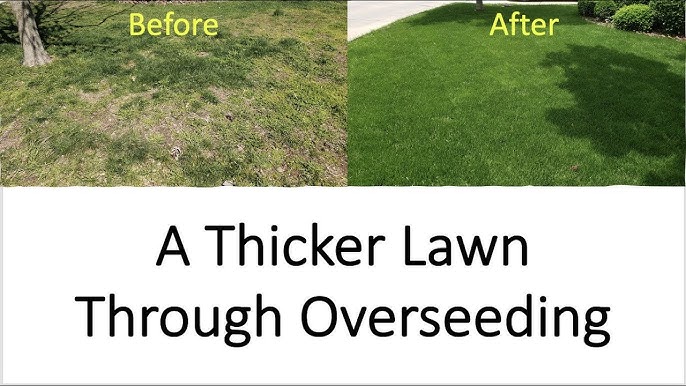
Image Source: i.ytimg.com
Laying the Foundation: Why a Thick Lawn Matters
A dense, thick lawn isn’t just about aesthetics; it provides numerous benefits. It’s more resilient to wear and tear, crowds out weeds by reducing space for them to germinate and grow, and can even help with drainage and reduce soil erosion. A healthy, thick lawn also contributes to a cooler environment in the summer and can improve air quality. For those seeking lawn thickening tips, the journey starts with establishing a strong foundation.
The Pillars of Lawn Thickening: Key Strategies
Achieving a lush, thick lawn involves a multi-faceted approach. It’s not just about one single action, but a combination of consistent care and the right treatments. Here are the essential pillars:
1. The Right Seed for the Job: Selecting the Best Grass Seed for Thickening
The type of grass seed you choose is crucial. Different grass species have varying growth habits and densities. For most climates, a blend of turf-type tall fescue, perennial ryegrass, or fine fescues can create a dense sward.
Cool-Season Grasses:
- Turf-Type Tall Fescue: Known for its deep root system, drought tolerance, and ability to form a dense turf, it’s excellent for thickening. It also handles moderate shade well.
- Perennial Ryegrass: Germinates quickly and establishes a dense turf rapidly, making it a good option for filling in thin spots. It mixes well with other cool-season grasses.
- Fine Fescues (Creeping Red, Chewings, Hard): These are excellent for shady areas and can create a very fine-textured, dense lawn. They are also relatively low maintenance.
Warm-Season Grasses:
- Bermuda Grass: Forms a very dense, resilient turf that thrives in heat and sun. It spreads aggressively via rhizomes and stolons.
- Zoysia Grass: Known for its slow but steady growth and incredibly dense turf once established. It’s also drought and wear-tolerant.
- Centipede Grass: A fine-bladed grass that forms a dense, low-maintenance lawn, particularly suited for acidic soils and warmer climates.
Tip: Always choose seeds specifically labeled as “turf-type” as they are bred for lawn aesthetics and density rather than pasture or forage use. When buying seed, look for blends that are suited to your climate and sunlight conditions.
2. Feeding Your Lawn: The Role of Fertilizing Lawn for Density
Fertilizing lawn is fundamental to promoting healthy grass growth, which directly contributes to thickening. Grass needs nutrients to produce more blades and root mass.
Key Nutrients:
- Nitrogen (N): The most important nutrient for leaf growth and green color. It directly stimulates shoot growth, leading to a thicker appearance.
- Phosphorus (P): Essential for root development and seedling establishment. A strong root system supports a denser, healthier plant.
- Potassium (K): Improves overall plant health, disease resistance, and drought tolerance. It helps the grass withstand stress, which is crucial for maintaining density.
When to Fertilize:
The timing of fertilization depends on your grass type (cool-season or warm-season) and your climate.
- Cool-Season Grasses: Fertilize in early fall and late spring. Fall feeding is particularly important for root development and winter survival.
- Warm-Season Grasses: Fertilize during their active growing season, which is late spring and summer.
Types of Fertilizers:
- Slow-Release Fertilizers: These provide a steady supply of nutrients over a longer period, reducing the risk of burning the lawn and promoting consistent growth.
- Granular Fertilizers: Easy to apply with a spreader.
- Liquid Fertilizers: Offer quick green-up but require more frequent application.
Application Rates: Follow the instructions on the fertilizer bag carefully. Over-fertilizing can harm your lawn. A general guideline is to apply about 1 pound of actual nitrogen per 1,000 square feet of lawn per application.
3. Breathing Room for Roots: Aeration for Thick Lawn
Aeration for thick lawn is a vital practice that allows air, water, and nutrients to penetrate the soil and reach the grass roots. Over time, foot traffic, mowing, and natural soil processes can compact the soil, making it difficult for roots to grow and spread.
How Aeration Helps:
- Reduces Soil Compaction: Loosens compacted soil, allowing roots to grow deeper and spread wider.
- Improves Air and Water Penetration: Creates channels for air, water, and fertilizers to reach the root zone.
- Enhances Nutrient Uptake: Healthier roots can absorb nutrients more effectively.
- Stimulates Root Growth: The tiny holes created can encourage new root growth.
When to Aerate:
- Cool-Season Grasses: Aerate in the fall or early spring when the grass is actively growing but not under extreme stress.
- Warm-Season Grasses: Aerate in late spring or early summer when the grass is actively growing and can recover quickly.
Methods of Aeration:
- Core Aerator: This machine pulls out plugs (cores) of soil, leaving holes in the lawn. This is the most effective method for reducing compaction.
- Spike Aerator: This machine pokes holes into the soil. It’s less effective than core aeration but can be used more frequently.
After Aeration: You can often follow up with overseeding (discussed next) and top dressing to further enhance your lawn’s density and health.
4. Filling the Gaps: The Art of Overseeding Lawn
Overseeding lawn is the process of sowing grass seed directly into an existing lawn without tearing up the turf. This is one of the most effective ways to thicken a sparse lawn.
When to Overseed:
- Cool-Season Grasses: The best time is early fall, allowing the new grass to establish roots before winter and be ready for spring growth. Late spring can also work, but there’s a higher risk of heat stress and weed competition.
- Warm-Season Grasses: Overseeding is typically done in late spring or early summer, coinciding with their active growth period.
Steps for Successful Overseeding:
- Mow Low: Mow your existing lawn at a lower than usual height. This helps the new seed reach the soil.
- Aerate: As mentioned earlier, aerating before overseeding is highly beneficial.
- Rake: Lightly rake the lawn to loosen the soil surface and remove thatch. This creates a better seed-to-soil contact.
- Spread Seed: Use a broadcast spreader for even distribution. Follow the recommended seeding rate for your chosen grass type.
- Incorporate Seed: Lightly rake the seed into the soil or use a roller to press it down.
- Water Regularly: Keep the newly seeded area consistently moist until the seeds germinate and the grass is established. This may mean watering lightly several times a day.
- Avoid Heavy Traffic: Keep foot traffic and mowing off the new seedlings until they are well-established.
5. Nourishing the Soil: The Importance of Soil Health for Lawn
Soil health for lawn is the bedrock of a thick, vibrant turf. Healthy soil provides the essential nutrients, water, and air that grass roots need to thrive.
Key Aspects of Soil Health:
- Soil Structure: Good soil structure allows for proper drainage, aeration, and root penetration. Compacted or heavy clay soils hinder root growth.
- Nutrient Content: The soil must contain the right balance of macronutrients (N, P, K) and micronutrients for healthy plant development.
- Organic Matter: Decomposed organic matter improves soil structure, water retention, and provides a slow release of nutrients.
- Soil pH: Grass thrives within a specific pH range (typically 6.0-7.0 for most grasses). An incorrect pH can lock up essential nutrients, making them unavailable to the plants.
Improving Soil Health:
- Soil Testing: Get your soil tested by a local extension office or reputable lab. This will reveal your soil’s pH, nutrient levels, and organic matter content, guiding your amendments.
- Amendments: Based on soil test results, you might need to add lime (to raise pH) or sulfur (to lower pH). Compost or other organic matter can be added to improve structure and fertility.
- Avoid Compaction: Minimize foot traffic on the lawn, especially when it’s wet. Use designated paths.
- Proper Watering: Avoid overwatering, which can lead to shallow root growth and disease. Water deeply and less frequently.
6. The Finishing Touch: Top Dressing Lawn for Enhanced Density
Top dressing lawn involves applying a thin layer of compost, soil, or a sand/soil mixture over the existing turf. This is an excellent practice to implement after aeration and overseeding to further improve soil health and seed-to-soil contact.
Benefits of Top Dressing:
- Improves Seed-to-Soil Contact: Helps new seeds germinate and establish more effectively.
- Enhances Soil Fertility: Adds organic matter and nutrients to the soil.
- Levels the Surface: Fills in small holes and low spots, creating a smoother lawn.
- Improves Drainage: Especially when using a sandy top dressing mix.
- Suppresses Weeds: A thicker layer of organic matter can help deter weed germination.
How to Top Dress:
- Choose Your Material:
- Compost: Nutrient-rich and beneficial for soil structure.
- Sandy Loam: A good mix of sand, silt, and clay for drainage and aeration.
- High-Quality Topsoil: Ensure it’s weed-free and has good drainage.
- Apply a Thin Layer: Aim for a layer of ¼ to ½ inch. You should still be able to see some of the existing grass blades through the top dressing.
- Spread Evenly: Use a spreader or a shovel and rake to distribute the material uniformly.
- Rake It In: Gently rake the material to work it down into the turf and ensure good seed-to-soil contact if you’ve overseeded.
Common Challenges and Solutions for a Thicker Lawn
Even with the best intentions, you might encounter obstacles. Here are some common issues and how to overcome them:
Weed Competition
Weeds are natural competitors for sunlight, water, and nutrients. A thick lawn is your best defense against weeds, but during the thickening process, you might need direct intervention.
- Hand-Pulling: For small infestations, this is an effective and environmentally friendly method.
- Pre-Emergent Herbicides: Applied in spring and fall, these prevent weed seeds from germinating.
- Post-Emergent Herbicides: Used to kill existing weeds. Choose herbicides that are selective for broadleaf weeds and safe for your grass type. Always read and follow label instructions carefully.
- Promote Healthy Grass: The most sustainable way to manage weeds is to have a strong, dense lawn that outcompetes them.
Thatch Buildup
Thatch is a layer of dead and living stems, roots, and crowns that accumulates between the green blades of grass and the soil surface. A moderate amount of thatch is beneficial, but excessive thatch can impede air, water, and nutrient penetration.
- Dethatching (Power Raking): If your thatch layer is more than ½ inch thick, consider dethatching. This is usually done in the spring or fall when the grass is actively growing. A power rake or dethatcher with sharp tines can remove the excess thatch.
- Aeration and Top Dressing: These practices help break down thatch and improve its decomposition.
- Proper Fertilization: Avoid over-fertilizing with high-nitrogen fertilizers, which can contribute to rapid thatch buildup.
Pests and Diseases
A stressed or thin lawn is more susceptible to pests and diseases.
- Identification: Properly identify any pests or diseases affecting your lawn.
- Cultural Practices: Proper watering, fertilization, and mowing can significantly reduce the risk of many common lawn problems.
- Treatment: If necessary, use appropriate treatments. Consider organic or less toxic options first. Healthy, dense turf is naturally more resistant.
Drought Stress
Periods of drought can thin out a lawn, especially if it’s not receiving enough water.
- Deep, Infrequent Watering: Encourage deep root growth by watering thoroughly only when the grass shows signs of stress (e.g., wilting, dulling color).
- Watering Time: Water early in the morning to minimize evaporation.
- Drought-Tolerant Grasses: If you live in a drought-prone area, consider overseeding with more drought-tolerant grass varieties.
Putting It All Together: A Seasonal Approach to Lawn Thickening
Here’s a general seasonal guide to help you implement these strategies effectively:
| Season | Key Actions for Thickening Lawn |
|---|---|
| Spring | Fertilize: Apply a balanced fertilizer. Weed Control: Address any emerging weeds. Mow: Mow at the appropriate height for your grass type. Monitor: Check for signs of pests or diseases. |
| Summer | Water Deeply: Water as needed, encouraging deep roots. Mow: Maintain mowing height, do not cut too short. Spot Treat: Address any weed or pest issues. Light Fertilization (Optional): For some grass types, a light, slow-release fertilizer application may be beneficial. |
| Fall | Aerate: Core aeration is highly recommended. Overseed: Sow new grass seed into the thinned areas. Top Dress: Apply a thin layer of compost. Fertilize: Apply a fall-specific fertilizer to promote root growth. Mow: Continue mowing until grass growth stops. |
| Winter | Minimal Activity: Avoid heavy traffic on frozen or wet lawns. Monitor: Check for winter damage or persistent weeds. |
Note: This is a general guide. Always adjust your practices based on your specific climate and grass type.
Frequently Asked Questions About Thickening Your Lawn
Q1: How long does it take to thicken a lawn?
A: The time it takes to thicken a lawn varies depending on the initial condition of your lawn, the methods used, and environmental factors. Generally, you can start seeing noticeable improvements within 4-6 weeks of implementing a consistent care program, with significant thickening occurring over one to two growing seasons.
Q2: Can I thicken my lawn in the summer?
A: While summer is a stressful time for many lawns, especially cool-season grasses, some thickening can be achieved. Focus on proper watering, mowing at the correct height, and addressing any weed issues. Overseeding in summer is risky for cool-season grasses due to heat and potential drought. Warm-season grasses can be overseeded in early summer.
Q3: What is the best time to overseed for maximum thickening?
A: For cool-season grasses (like Fescue, Ryegrass, Bluegrass), the best time is early fall. This allows the new seeds to establish before winter and benefit from ideal growing conditions in the spring. For warm-season grasses (like Bermuda, Zoysia), late spring to early summer is the optimal time.
Q4: My lawn is very thin. Should I just reseed the entire area?
A: If your lawn is extremely thin or has a lot of bare patches, reseeding the entire area might be more effective than overseeding. However, overseeding is a less disruptive method for gradually thickening an existing lawn. If you’re starting from scratch or have significant bare spots, consider a full renovation with new seed.
Q5: How often should I fertilize my lawn for thickening?
A: For most lawns, fertilizing 2-3 times per year is sufficient. For cool-season grasses, the key applications are in early fall and late spring. For warm-season grasses, fertilize during their active growth periods in late spring and summer. Always follow the product’s instructions and consider a soil test to determine specific nutrient needs.
Q6: How much top dressing should I apply?
A: A thin layer of ¼ to ½ inch is generally recommended. You should still be able to see a significant portion of the existing grass blades through the top dressing material. Applying too thick a layer can smother the grass.
By following this comprehensive guide, you’ll be well on your way to achieving a beautifully thick, lush lawn that you can be proud of. Consistent effort and attention to the fundamentals of lawn care for lush grass are the keys to success. Happy growing!