
Image Source: myrobotmower.com
Why Are Lawn Mowers So Loud? Fathoming the Noise
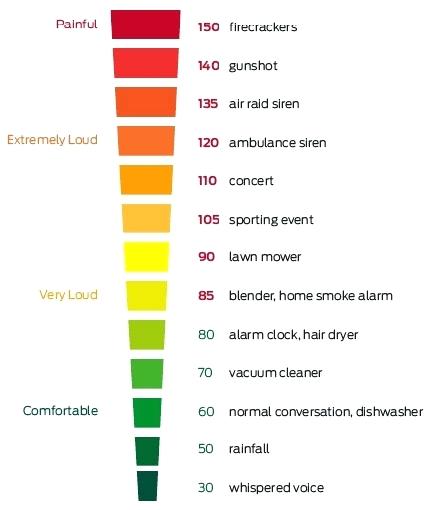
Lawn mowers are loud due to a combination of factors, primarily the engine noise generated by the internal combustion engine, the sound of the spinning blades, and the exhaust system. These machines can produce decibel levels that range from 80 to 100 decibels, comparable to a vacuum cleaner or even a motorcycle.
The summer months often bring with them a familiar soundtrack: the hum and roar of lawn mowers. For many homeowners, this is a comforting sound, signaling a well-tended yard and the return of warmer weather. However, for others, it’s a source of considerable annoyance, contributing to noise pollution and disrupting peaceful afternoons. Have you ever wondered precisely why these common garden tools are so inherently noisy? It’s not just one thing; it’s a symphony of mechanical elements working together, often in a rather cacophonous way.
The Heart of the Roar: Engine Noise
At the core of most lawn mowers lies a small internal combustion engine, similar in principle to the engines found in cars, but typically much simpler and less refined. This is where a significant portion of the noise originates.
How Engines Make Noise
The combustion process within the engine is a series of controlled explosions. When fuel and air ignite in the cylinder, they create a rapid expansion of gases. This expansion pushes a piston down, which in turn rotates a crankshaft. Each of these tiny explosions generates a powerful sound wave.
- Intake Stroke: As the piston moves down, it draws a mixture of fuel and air into the cylinder. This creates a slight vacuum and sound.
- Compression Stroke: The piston moves up, compressing the fuel-air mixture. This compression also produces a sound.
- Combustion (Power) Stroke: The spark plug ignites the compressed mixture. The resulting explosion is the primary source of the percussive noise. The rapid expansion of gases is what generates the power to turn the blades, but it also creates a sharp burst of sound.
- Exhaust Stroke: The piston moves up again, pushing the spent gases out through the exhaust system. This expulsion of gases also contributes to the overall noise.
The frequency and intensity of these explosions are directly related to the engine RPM, or revolutions per minute. The faster the engine spins, the more explosions occur per second, and the louder the engine becomes. This is why many push mowers seem to get louder when you push them faster or are cutting through thicker grass, forcing the engine to work harder.
The Role of Engine Design and Maintenance
The design of the engine itself plays a crucial role. Smaller, air-cooled engines, common in many residential lawn mowers, are often less insulated and have fewer noise-dampening features compared to larger, liquid-cooled engines found in cars.
- Cooling Fins: Air-cooled engines rely on fins to dissipate heat. These fins, while functional, also act as surfaces that vibrate and reflect sound waves, contributing to the overall noise.
- Materials and Construction: The materials used in engine casings and components can affect their acoustic properties. Lighter, less rigid materials might vibrate more easily, amplifying the sound.
- Lawn Mower Maintenance: Proper lawn mower maintenance is essential for keeping noise levels as low as possible. A poorly maintained engine can be significantly louder. For example:
- Dirty air filters can make the engine work harder, increasing RPM and noise.
- Worn spark plugs can lead to inefficient combustion, causing misfires and a rougher, louder engine sound.
- Old or low oil can increase friction and wear within the engine, leading to more mechanical noise.
- Loose parts on the engine can vibrate and rattle, adding to the noise pollution.
The Whirring Menace: Blade Noise
While the engine is a major contributor, the spinning blades are another significant source of noise. These blades are essentially high-speed cutting tools, and their interaction with the air and grass creates sound.
Blade Speed and Aerodynamics
The primary factor influencing blade noise is blade speed. Lawn mower blades typically rotate at very high speeds, often exceeding 200 miles per hour at their tips.
- Air Displacement: As the blades spin, they forcefully displace air, creating a turbulent airflow. This turbulent airflow is a significant source of aerodynamic noise, similar to the sound of wind rushing past.
- Cutting Action: When the blades come into contact with grass, they create a cutting sound. For thick or wet grass, this cutting action can be more pronounced and audible.
- Blade Balance: Improperly balanced blades can cause significant vibrations. These mowing vibrations not only make the mower uncomfortable to operate but also transmit sound through the mower deck and the ground, amplifying the overall noise. Unbalanced blades can be a sign of damage or improper sharpening.
Deck Design and Muffling
The mower deck, the housing that encloses the blades, also plays a role in how the noise is perceived.
- Sound Reflection: The metal deck can act as a resonator, reflecting and amplifying the sound of the spinning blades and the engine.
- Mow Path: The direction the grass is discharged can also influence noise. Some designs direct air and clippings away from the operator, potentially reducing perceived noise.
Beyond the Engine: Exhaust Noise
The exhaust system on a lawn mower is designed to expel the hot gases produced during combustion. While often less complex than car exhaust systems, they still contribute to the overall sound profile.
The Function of the Muffler
Most gasoline-powered lawn mowers are equipped with a muffler, designed to reduce the loud popping and banging sounds from the exhaust. Mufflers work by using baffles and chambers to slow down the exhaust gases and absorb sound energy.
- Effectiveness: The effectiveness of a muffler can vary greatly depending on its design and condition. Older or damaged mufflers will be less effective at reducing exhaust noise.
- Exhaust Noise: Even with a muffler, the rapid expulsion of hot gases creates a distinct noise. This is often characterized by a steady, throaty roar or a higher-pitched whine, depending on the engine and exhaust design.
Types of Noise Produced
The sound we hear from a lawn mower isn’t just a single tone. It’s a complex mix of different types of noise.
- Engine Noise: This is the fundamental sound of the engine running, characterized by the rhythm of the combustion process.
- Exhaust Noise: This is the sound of gases being expelled.
- Blade Speed Noise: This includes the aerodynamic whoosh of air displaced by the blades and the sound of the blades cutting grass.
- Impact Noise: This can occur if the blades strike a stone, twig, or other hard object. This type of noise is sharp, sudden, and can be very loud.
- Mechanical Noise: This includes sounds from gears, bearings, and other moving parts within the mower, often exacerbated by wear and tear or poor lubrication.
The dB Dilemma: Measuring the Noise
To quantify how loud lawn mowers are, we use decibel levels (dB). Decibel scales are logarithmic, meaning a small increase in the number represents a significant increase in sound intensity.
Here’s a general comparison of common sounds and their decibel levels:
| Sound Source | Decibel Level (dB) | Impact |
|---|---|---|
| Whisper | 10-20 | Barely audible |
| Normal Conversation | 50-60 | Comfortable |
| Vacuum Cleaner | 70-80 | Annoying, prolonged exposure may cause damage |
| Lawn Mower (Push) | 80-90 | Can cause hearing damage with prolonged exposure |
| Lawn Mower (Riding) | 90-100 | High risk of hearing damage |
| Motorcycle (at 25 ft) | 85 | Requires hearing protection |
| Chainsaw (at 50 ft) | 100 | Significant risk of hearing damage |
| Thunderclap | 110-130 | Painful, immediate damage possible |
Prolonged exposure to sounds above 85 dB can lead to permanent hearing loss. Since many lawn mowers operate in the 80-100 dB range, it’s crucial to take precautions.
Why the Difference Between Mower Types?
Not all lawn mowers are created equal in terms of loudness. The type of mower you use will significantly impact the noise output.
Push Mowers vs. Riding Mowers
- Push Mowers: Generally, push mowers, especially the smaller gasoline-powered ones, tend to be on the louder side. Their engines are often more exposed, and they lack the larger chassis and enclosed components that can absorb some sound.
- Riding Mowers: While riding mowers have larger engines, they are often designed with more sound-dampening materials, larger mufflers, and more enclosed engine compartments. However, their larger engines and wider cutting decks can still produce significant noise.
Electric and Battery-Powered Mowers
A significant advancement in reducing lawn mower noise has been the development of electric and battery-powered models.
- Electric Mowers: These mowers do away with the internal combustion engine entirely. They are powered by an electric motor.
- Motor Noise: Electric motors produce much less noise than gasoline engines. The primary sounds come from the spinning blades and the cooling fan for the motor.
- Blade Speed: Even without an engine, the blades still spin at high speeds, creating aerodynamic noise.
- Decibel Levels: Electric mowers typically operate in the 60-80 dB range, making them substantially quieter than their gasoline counterparts.
- Battery-Powered (Cordless) Mowers: These are essentially electric mowers powered by rechargeable batteries. They offer the convenience of gasoline mowers without the cord and are significantly quieter.
- Advancements: Battery technology has improved dramatically, allowing for more powerful and longer-lasting cordless mowers. The noise output is very similar to corded electric mowers.
The Impact of Noise Pollution
The collective sound of many lawn mowers operating simultaneously can contribute to noise pollution, especially in suburban areas. This can have several negative effects:
- Disruption of Peace: It can interrupt conversations, relaxation, and outdoor activities.
- Stress and Annoyance: For some individuals, the persistent noise can be a significant source of stress and irritation.
- Wildlife Impact: While less studied than other forms of environmental noise, the noise from lawn mowers can potentially affect local wildlife, particularly birds and small animals, by disrupting their communication or causing them to avoid certain areas.
Reducing Lawn Mower Noise
Given the inherent loudness of many mowers, what can be done to mitigate the noise?
For Gasoline Mowers:
- Regular Lawn Mower Maintenance: As mentioned earlier, keeping the engine in good condition is paramount. This includes regular oil changes, air filter replacements, spark plug checks, and ensuring the muffler is intact.
- Blade Maintenance: Sharpen and balance the blades regularly. Bent or unbalanced blades cause excessive vibration and noise.
- Check for Loose Parts: Periodically inspect the mower for any loose bolts, screws, or panels that could be vibrating and adding to the noise.
- Muffler Inspection: Ensure the muffler is securely attached and not damaged. Replacing a damaged muffler can significantly reduce exhaust noise.
- Engine RPM Adjustment: For some mowers, there might be an option to adjust the idle speed, though this is less common on basic residential models. Keeping the engine running at the optimal speed for the task can help.
- Choose Quieter Models: When purchasing a new mower, research models that are advertised as being quieter. Manufacturers are increasingly focusing on noise reduction.
For All Mowers:
- Timing is Key: Mow during less sensitive hours. Avoid mowing early in the morning or late in the evening when noise is more likely to disturb neighbors.
- Hearing Protection: Always wear hearing protection, such as earplugs or earmuffs, when operating a gasoline-powered lawn mower. This is the most effective way to protect your own hearing.
- Consider Electric/Battery Options: If noise is a major concern, switching to an electric or battery-powered mower is the most impactful solution. The upfront cost may be higher, but the long-term benefits in terms of noise reduction and reduced environmental impact are substantial.
Future Trends in Lawn Mower Noise Reduction
Manufacturers are actively working on developing quieter lawn mowing solutions. This includes:
- Improved Muffler Technology: Developing more efficient mufflers for gasoline engines.
- Engine Enclosure: Designing mower decks and engine housings that better contain and absorb engine noise.
- Blade Design: Researching blade shapes and materials that reduce aerodynamic noise.
- Electric Powertrains: Continued investment in battery and electric motor technology to create more powerful and efficient electric mowers that can handle a wider range of lawn sizes and conditions.
Frequently Asked Questions (FAQ)
Q1: How loud is a typical lawn mower?
A1: A typical gasoline-powered push lawn mower can produce sound levels between 80 and 90 decibels (dB), while larger riding mowers can reach 90 to 100 dB. Electric and battery-powered mowers are significantly quieter, usually in the 60 to 80 dB range.
Q2: Can I make my noisy lawn mower quieter?
A2: Yes, you can take steps to reduce the noise from a gasoline mower. Regular lawn mower maintenance, ensuring the muffler is in good condition, and properly balancing the blades can help. Choosing an electric or battery-powered mower is the most effective way to significantly reduce noise.
Q3: Is it safe to use a lawn mower without hearing protection?
A3: It is generally not safe to operate a gasoline-powered lawn mower without hearing protection, especially for extended periods. Prolonged exposure to sounds above 85 dB can cause permanent hearing damage.
Q4: What is the quietest type of lawn mower?
A4: Electric and battery-powered lawn mowers are the quietest types. They produce far less noise than gasoline-powered mowers, with the main sounds coming from the spinning blades rather than an engine.
Q5: Why do some lawn mowers make a “pinging” sound?
A5: A “pinging” or “knocking” sound, often described as pre-ignition or detonation, can occur in gasoline engines. This happens when the fuel-air mixture ignites too early or unevenly in the cylinder. It can be caused by using the wrong octane fuel, carbon buildup in the combustion chamber, or engine overheating. This is detrimental to the engine and should be addressed.
Q6: How does blade speed affect lawn mower noise?
A6: Blade speed is a major factor. The faster the blades spin, the more air they displace, creating louder aerodynamic noise. High blade speed also contributes to the sound of cutting the grass.
Q7: What is the role of the exhaust system in lawn mower noise?
A7: The exhaust system expels hot gases from the engine’s combustion. While mufflers are designed to reduce the sound of these expelled gases, they still contribute a significant portion of the overall noise output from a gasoline mower.
Q8: How can I improve my mower’s fuel efficiency and reduce noise?
A8: Proper lawn mower maintenance is key. Ensuring the air filter is clean, the spark plug is in good condition, and the oil is changed regularly all contribute to a more efficient engine. An efficient engine runs smoother and often quieter.
In conclusion, the symphony of a summer’s day often includes the distinct, and sometimes intrusive, sound of the lawn mower. While the roar of the engine, the whir of the blades, and the expulsion of exhaust gases are all necessary components of its operation, their combined effect creates a considerable amount of noise. By understanding the sources of this sound and implementing proper maintenance, choosing quieter alternatives, and taking personal protective measures, we can all contribute to a more peaceful and enjoyable environment.