
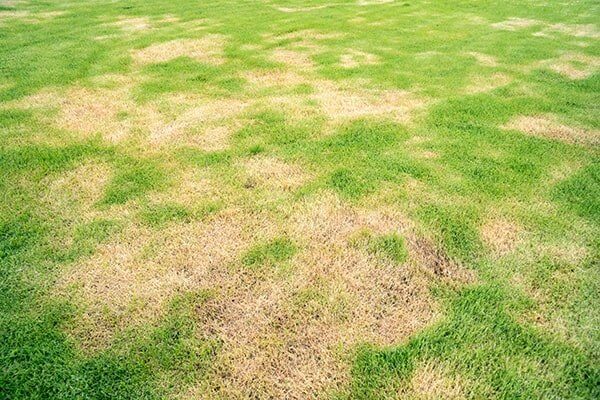
Image Source: expertsnutrite.com
Why Does My Lawn Have Yellow Patches? Causes & Fixes
Yellow patches on your lawn can be a frustrating sight, turning a vibrant green carpet into a patchy, sickly mess. The most common reasons for yellow patches on grass include improper watering, nutrient deficiencies, disease, insect infestations, and soil compaction. But what if your grass is turning yellow for other reasons? This comprehensive guide will help you decipher the common culprits behind lawn discoloration and provide effective solutions to get your grass back to its healthy, green glory. We’ll delve into the specifics of lawn health issues, helping you with diagnosing yellow patches and ultimately revitalizing your lawn.
Yellowing turf can stem from a variety of issues, and pinpointing the exact cause is the first step towards a successful fix. Let’s break down the most frequent reasons for grass color problems and how to address them.
Overwatering and Underwatering: The Thirst and Drowning Dilemma
Water is essential for a healthy lawn, but too much or too little can lead to grass turning yellow.
Overwatering: Drowning Your Grass
When a lawn receives too much water, the soil becomes waterlogged. This suffocates the grass roots by preventing them from accessing oxygen. Roots need air to survive and function.
-
Signs of Overwatering:
- Uniform yellowing across the lawn, or large, diffuse yellow areas.
- Mushy soil that stays wet for extended periods.
- Fungal growth, like mushrooms, appearing on the lawn.
- Increased susceptibility to fungal diseases.
-
Why it Happens:
- Watering too frequently, even if the amount per watering isn’t excessive.
- Poorly draining soil.
- Watering during the hottest parts of the day, leading to surface evaporation and encouraging deeper watering.
- Automatic sprinkler systems set to run too often or for too long.
Underwatering: Thirsty Grass
Conversely, insufficient watering stresses the grass. When roots don’t get enough moisture, the grass blades can’t absorb nutrients properly, leading to wilting and yellowing.
-
Signs of Underwatering:
- A dull, grayish-green or yellowish hue.
- Grass blades folding or wilting, especially during the heat of the day.
- Footprints remaining visible on the lawn long after being made (the grass blades don’t “spring back”).
- Patches of brown or yellowing grass that spread.
-
Why it Happens:
- Infrequent watering.
- Drought conditions.
- Extremely sandy soil that drains water too quickly.
- Hot, windy weather that dries out the soil surface rapidly.
Fixes for Watering Issues:
- Adjust Your Watering Schedule: Water deeply but less frequently. Aim for about 1 inch of water per week, delivered in one or two watering sessions. This encourages deeper root growth, making the lawn more resilient.
- Check Soil Moisture: Before watering, stick a screwdriver or a soil moisture meter into the ground. If it goes in easily and the soil feels moist a few inches down, you likely don’t need to water.
- Improve Drainage: If overwatering is a persistent issue due to poor drainage, consider aerating your lawn. For severe problems, amending the soil with organic matter can help.
- Water Early: Water in the early morning (between 4 AM and 10 AM). This allows the water to soak in before the heat of the day, reducing evaporation and the risk of fungal diseases from prolonged leaf wetness.
Nutrient Deficiencies: The Hunger Pains of Your Lawn
Like all living things, grass needs a balanced diet of nutrients to thrive. A lack of essential elements can cause grass turning yellow.
Nitrogen Deficiency
Nitrogen is crucial for chlorophyll production, the pigment that gives grass its green color. A lack of nitrogen leads to a general fading of green to yellow.
- Signs:
- Overall pale green or yellowish color across the entire lawn.
- The yellowing often starts on older, lower leaves and progresses upwards.
- Slow growth and reduced density.
Iron Deficiency (Iron Chlorosis)
Iron is vital for chlorophyll synthesis. When iron is unavailable to the grass, even if present in the soil, the grass can’t produce enough chlorophyll, leading to yellowing.
- Signs:
- Yellowing between the veins of the grass blades, while the veins themselves remain green. This is often referred to as interveinal chlorosis.
- The yellowing is most prominent on new growth.
- It can appear as distinct yellow patches or streaks.
Other Nutrient Deficiencies
While less common causes of widespread yellowing, deficiencies in phosphorus or potassium can also impact lawn health issues and overall vigor, sometimes manifesting as discoloration.
Fixes for Nutrient Deficiencies:
- Fertilize Appropriately: Use a balanced lawn fertilizer. Nitrogen is often the primary nutrient needed for greening. Look for fertilizers with a higher first number in the N-P-K ratio (e.g., 20-5-10).
- Soil Testing: The most accurate way to determine nutrient deficiencies is to get your soil tested. A local extension office can usually provide this service. The test results will indicate which nutrients are lacking and suggest appropriate amendments.
- Apply Chelated Iron: For iron chlorosis, apply a liquid or granular iron supplement. Chelated iron is a form that grass can absorb more readily. Apply according to product instructions, usually during the growing season.
- Top-Dress with Compost: Adding a thin layer of high-quality compost can improve soil structure and provide a slow release of nutrients, supporting lawn health.
Soil Compaction: Choking the Roots
When soil becomes compacted, air and water cannot penetrate to the grass roots effectively. This restricts root growth and nutrient uptake, leading to stress and yellowing.
-
Signs of Soil Compaction:
- Water puddles on the surface after rain or watering.
- Grass feels spongy and doesn’t spring back.
- Roots struggle to penetrate the soil, leading to shallow root systems.
- Yellowing and thinning patches, especially in high-traffic areas.
-
Causes of Compaction:
- Heavy foot traffic (walking, playing, mowing).
- Using heavy equipment on the lawn.
- Poor soil structure (e.g., heavy clay soils).
- Frost heaving.
Fixes for Soil Compaction:
- Aeration: This is the most effective solution. Core aeration involves removing small plugs of soil from the lawn, allowing air, water, and nutrients to reach the roots. Aerate when the grass is actively growing (spring or fall).
- Reduce Traffic: Minimize foot traffic on the lawn, especially when the soil is wet.
- Amend Soil: After aerating, you can overseed and top-dress with compost or a sandy soil mix to further improve soil structure.
Lawn Diseases: Unwanted Microscopic Invaders
A variety of fungal diseases can attack your lawn, causing unsightly yellow or brown patches. Identifying lawn diseases is key to choosing the right treatment.
Brown Patch
A common fungal disease that appears as circular patches, often with a darker, smoky ring around the edge. The center of the patch may turn brown or straw-colored.
- Symptoms:
- Circular patches ranging from a few inches to several feet in diameter.
- Grass blades in affected areas may turn yellow or tan and collapse.
- A “smoke ring” or dark border can be visible, especially in the morning dew.
Dollar Spot
This disease creates small, straw-colored or bleached-looking spots, about the size of a silver dollar.
- Symptoms:
- Small, bleached-looking spots on individual grass blades or small clusters of blades.
- If you look closely, you might see small, silvery-white or tan fungal threads (mycelium) connecting the blades in the morning dew.
- The spots can merge to create larger patches of brown.
Rust Diseases
These fungal diseases give grass blades a powdery, orange, red, or yellow appearance.
- Symptoms:
- Powdery coating on grass blades.
- When rubbed, the powder rubs off onto your hands or shoes.
- Grass may appear weak and stunted, with yellowing streaks.
Powdery Mildew
This disease typically affects grass in shaded areas with poor air circulation.
- Symptoms:
- White, powdery patches on the surface of the grass blades.
- As it progresses, the mildew can turn grayish and the grass may turn yellow.
Common Causes of Fungal Diseases:
- Excessive Moisture: Overwatering, prolonged leaf wetness, and poor drainage create ideal conditions for fungi.
- Poor Air Circulation: Overgrown trees or shrubs that shade the lawn can reduce airflow.
- Nutrient Imbalances: Lawns that are deficient in nitrogen or have an excess of thatch can be more susceptible.
- Drought Stress: Grass weakened by drought is more prone to disease.
Fixes for Lawn Diseases:
- Improve Cultural Practices: Address the underlying issues like overwatering, poor drainage, and lack of air circulation.
- Remove Thatch: A thick layer of thatch (dead grass material) can hold moisture and harbor diseases. Dethatch your lawn annually or as needed.
- Fungicides: For severe outbreaks, a fungicide may be necessary. It’s important to identify the specific lawn disease to choose the correct fungicide. Read and follow product label instructions carefully. You may need to reapply the fungicide.
- Reseeding: In some cases, severely damaged areas may need to be reseeded with disease-resistant grass varieties.
Insect Infestations: Tiny Pests Causing Big Problems
Various insects can damage your lawn, leading to brown spots on grass and yellowing.
Grubs
These are the C-shaped larvae of several beetle species. They feed on grass roots, which disrupts the grass’s ability to absorb water and nutrients.
- Signs of Grub Infestation:
- Yellow or brown patches that look like drought damage.
- The turf can be lifted easily like a carpet, as the roots have been eaten away.
- Increased activity of animals like birds, moles, and skunks that dig for grubs.
- Rolling up of affected grass in dry weather.
Chinch Bugs
These small insects feed on grass blades, injecting a toxin that causes yellowing and browning. They prefer sunny, dry areas.
- Signs of Chinch Bug Infestation:
- Irregular patches of yellow or brown grass, often starting in sunny areas.
- The damage can resemble drought stress, but the grass will remain dry even when watered.
- Look for small, dark-colored insects with white markings on their wings near the base of the grass blades, especially in the transition zone between healthy and damaged grass.
Sod Webworms
The larvae of lawn moths, these pests feed on grass blades, often at night.
- Signs of Sod Webworm Infestation:
- Small, irregular brown patches that can grow larger over time.
- The grass blades will be chewed, giving them a ragged appearance.
- You might see small, brown “sawdust-like” frass (insect droppings) on the lawn.
Fixes for Insect Infestations:
- Insecticidal Treatments: Use appropriate insecticides to control pest populations. It’s crucial to identify the specific insect to select the most effective treatment. Apply insecticides according to product instructions.
- Beneficial Nematodes: For grubs, beneficial nematodes are a natural biological control that can be applied to the lawn.
- Healthy Lawn Practices: A healthy, well-maintained lawn is more resistant to insect damage. This includes proper watering, fertilization, and aeration.
Soil pH Imbalance: The Foundation of Health
Soil pH affects how well grass can absorb nutrients. If the pH is too high (alkaline) or too low (acidic), certain nutrients become unavailable, even if they are present in the soil.
- Signs of pH Imbalance:
- General poor growth and yellowing across the lawn.
- Specific nutrient deficiencies may appear (e.g., iron chlorosis is common in alkaline soils).
- Weeds that prefer specific pH levels may proliferate.
Fixes for Soil pH Imbalance:
- Soil Testing: Again, a soil test is essential to determine your lawn’s pH.
- Adjusting pH:
- To lower pH (make more acidic): Apply elemental sulfur.
- To raise pH (make more alkaline): Apply lime (ground limestone).
- Application Timing: Apply amendments in the fall or early spring. It takes time for the soil pH to adjust, so be patient. Follow product instructions carefully, as over-applying can be detrimental.
Drought Stress: The Consequences of Thirst
Extended periods without adequate rainfall or watering will naturally stress your lawn, leading to yellowing and browning.
- Signs of Drought Stress:
- A general wilting and dull appearance of the grass.
- Footprints that don’t spring back.
- Increasingly yellow or brown patches that can merge into larger areas.
Fixes for Drought Stress:
- Water Wisely: Implement a deep and infrequent watering schedule to encourage deep root growth.
- Drought-Tolerant Grass Varieties: Consider overseeding with grass types that are more resistant to drought in your region.
- Mulching (for garden beds adjacent to lawn): While not directly for the lawn, mulching garden beds can help retain soil moisture in the surrounding areas, potentially reducing overall heat stress on the landscape.
Chemical Damage: Accidental Burns
Accidental spills of gasoline, oil, or fertilizer can cause localized brown spots on grass or widespread yellowing.
- Signs of Chemical Damage:
- Distinct, often circular or irregularly shaped dead or yellow patches where the chemical was applied or spilled.
- Fertilizer burn typically appears as streaks or patches where the granules were applied too heavily or didn’t dissolve properly.
Fixes for Chemical Damage:
- Rinse Immediately: If you notice a spill, try to rinse the area thoroughly with water as soon as possible.
- Remove Contaminated Soil: For significant spills, you may need to remove the affected soil and reseed.
- Proper Fertilizer Application: Always follow fertilizer application rates and instructions carefully. Water in granular fertilizers immediately after application.
Thatch Buildup: A Smothering Blanket
Thatch is a layer of dead and living grass stems, roots, and crowns that accumulates on the soil surface. A thin layer is normal, but excessive thatch can create problems.
-
Problems with Excessive Thatch:
- Moisture Retention: Thatch acts like a sponge, holding moisture and creating a favorable environment for fungal diseases.
- Root Suffocation: A thick thatch layer can prevent water, air, and nutrients from reaching the soil and roots.
- Pest Habitat: It provides a hiding place for various insects.
-
Signs of Excessive Thatch:
- The lawn feels spongy and excessively springy.
- Yellow or brown patches can develop, especially during dry spells, as the thatch dries out.
- Difficulty in watering effectively.
Fixes for Thatch Buildup:
- Dethatching: Use a power rake or dethatcher to physically remove the excess thatch. This is best done when the grass is actively growing.
- Aeration: Aerating the lawn can help break down thatch and improve air and water penetration.
- Proper Fertilization: Avoid over-fertilizing, which can promote rapid top growth that contributes to thatch.
Soil Compaction Revisited: The Underground Barrier
We touched on this earlier, but it’s worth reiterating the impact of compacted soil. When roots can’t spread or breathe, the grass suffers.
Diagnosing Soil Compaction
- The Screwdriver Test: Try to push a screwdriver into the soil. If it’s difficult to push in more than a few inches, your soil is likely compacted.
- Water Puddling: If water sits on the surface for a long time after rain or watering, it’s a sign of poor drainage, often caused by compaction.
Solutions for Soil Compaction
- Core Aeration: As mentioned, this is the most effective solution. It creates openings for air, water, and nutrients.
- Top-dressing: After aeration, adding a thin layer of compost or sandy loam can help to permanently improve soil structure.
- Reduce Traffic: Minimize walking or driving on the lawn, especially when it’s wet.
Identifying Lawn Diseases: A Closer Look
When diagnosing yellow patches, considering disease is crucial. Here’s a quick guide to help with identifying lawn diseases.
| Disease Name | Common Symptoms | Favorable Conditions |
|---|---|---|
| Brown Patch | Circular patches, often with a dark ring; grass collapses. | Warm, humid weather; overwatering; excessive thatch. |
| Dollar Spot | Small, straw-colored spots; bleached appearance; can merge into larger patches. | Moderate temperatures; drought stress; low nitrogen levels. |
| Rust Diseases | Powdery orange, red, or yellow coating on blades; weak growth. | Warm, humid weather; poor fertility; shade. |
| Powdery Mildew | White, powdery coating on blades; can turn grass yellow. | Shaded areas; poor air circulation; high humidity. |
| Dollar Spot | Small, straw-colored spots; bleached appearance; can merge into larger patches. | Moderate temperatures; drought stress; low nitrogen levels. |
| Anthracnose | Yellowish-green or brown patches; grass blades may wilt and collapse. | High temperatures and humidity; poor drainage; low fertility. |
Revitalizing Your Lawn: A Step-by-Step Approach
Once you’ve identified the likely cause of your yellow patches, you can implement a plan to revitalize your lawn.
- Accurate Diagnosis: This is the most critical step. Observe your lawn carefully, noting the pattern and specific characteristics of the yellowing.
- Address the Root Cause: Implement the appropriate fixes based on your diagnosis (watering, fertilizing, aeration, pest control, disease treatment).
- Improve Soil Health: Healthy soil supports healthy grass. Regular aeration, appropriate fertilization, and occasional top-dressing with compost will improve your soil’s structure and nutrient availability.
- Overseeding: Once the underlying issues are corrected, overseed thin or bare patches with a high-quality grass seed suited to your climate and conditions.
- Consistent Maintenance: Continue with a proper watering schedule, regular mowing (at the correct height for your grass type), and appropriate fertilization throughout the growing season.
Frequently Asked Questions (FAQ)
Q1: My lawn has yellow spots that look like rings. What could it be?
A1: Ring-like yellow or brown patches, especially with a darker border, are often indicative of a fungal disease like Brown Patch. However, it could also be a sign of certain insect activity or even dog urine spots (though those are typically more intensely brown).
Q2: Can too much fertilizer cause yellow grass?
A2: Yes, absolutely. Over-fertilizing, especially with quick-release nitrogen fertilizers, can “burn” the grass, causing yellowing and browning. This damage often appears as streaks or distinct patches where the fertilizer granules were concentrated. Always follow application rates carefully.
Q3: My grass is yellowing, but I water regularly. What else could it be?
A3: If you’re watering consistently and the grass is still yellow, consider other common culprits like nutrient deficiencies (especially iron), soil compaction, fungal diseases, or insect infestations. A soil test can help rule out nutrient issues, and inspecting the grass blades and roots for pests or disease signs is recommended.
Q4: How do I know if it’s a disease or an insect problem?
A4: Diseases often manifest as patterns of discoloration, wilting, or lesions on the grass blades themselves. Insect damage typically involves visible insects or their larvae feeding on the roots or blades, or evidence of their activity (like grub damage where turf can be easily lifted). Carefully inspecting the affected areas is key to distinguishing between the two.
Q5: How often should I water my lawn?
A5: The general rule is to water deeply and infrequently, aiming for about 1 inch of water per week. This can be delivered in one or two watering sessions, depending on your soil type and weather conditions. Water in the early morning to minimize evaporation and disease risk.
By carefully observing your lawn and applying the knowledge from this guide, you can effectively diagnose and treat the causes of yellow patches, leading to a healthier, greener, and more vibrant lawn.