
Why is my grass yellow? Yellow spots on your lawn can be a frustrating sight, turning a vibrant green carpet into a patchwork of pale, unhealthy patches. If you’re asking yourself, “Why does my lawn have yellow spots?”, the answer often lies in a combination of environmental factors, care practices, or even unwelcome guests like pests and diseases.
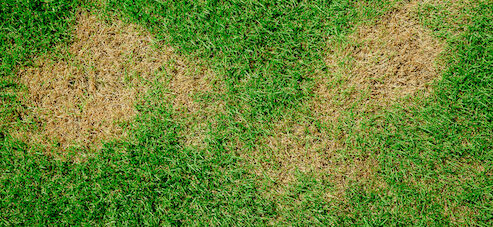
Image Source: moowy.co.uk
Deciphering Lawn Discoloration
Yellow lawn problems are common, and identifying yellow spots on lawn is the first step to bringing back that lush green. The reasons behind lawn yellowing can range from simple fixes like incorrect watering to more complex issues that require targeted treatment. Let’s explore the various culprits that can cause those unsightly grass yellow patches.
Water Woes: Too Much or Too Little
Water is life for your lawn, but the balance is crucial.
Under-watering
When your lawn doesn’t get enough water, the grass blades start to dehydrate. This leads to a distinct yellowing, often beginning at the tips of the blades and progressing downwards. The affected areas might feel dry and brittle to the touch.
-
Signs of Under-watering:
- Grass appears dull and fades to a yellowish-green.
- Footprints remain visible on the lawn for a long time after walking on it.
- The soil feels dry and hard.
- Wilting or browning may occur in severe cases.
-
When to Water: The best time to water is in the early morning. This allows the grass to absorb moisture before the heat of the day causes evaporation. Watering too late in the evening can promote fungal growth.
-
How Much to Water: Most established lawns need about 1 to 1.5 inches of water per week, including rainfall. Deep, infrequent watering encourages deeper root growth, making the grass more drought-tolerant.
Over-watering
Believe it or not, too much water can also lead to yellowing grass. Waterlogged soil deprives the grass roots of oxygen, a process called suffocation. This can weaken the grass and make it susceptible to diseases. Over-watering can also leach essential nutrients from the soil, contributing to nutrient deficiency in grass.
-
Signs of Over-watering:
- Yellowing that starts from the base of the grass blades.
- Moss may begin to grow in damp areas.
- The soil remains soggy for extended periods.
- The lawn may appear generally sickly and lack vigor.
-
Improving Drainage: If your soil has poor drainage, consider aerating your lawn. This process creates small holes in the soil, allowing air, water, and nutrients to penetrate more easily. Top-dressing with compost can also improve soil structure over time.
Nutrient Deficiencies: The Invisible Hunger
Just like people, grass needs a balanced diet to stay healthy and green. Nutrient deficiency in grass is a very common cause of lawn yellowing. Nitrogen is often the primary culprit when it comes to widespread yellowing.
Nitrogen Deficiency
Nitrogen is vital for chlorophyll production, the pigment that gives grass its green color. When nitrogen levels are low, the grass can’t produce enough chlorophyll, resulting in lawn yellowing.
-
Symptoms:
- A uniform yellowing of the entire lawn, or specific patches.
- The yellowing often starts on older, lower leaves first.
- Growth may become stunted.
-
Solution: Applying a balanced fertilizer that contains nitrogen is the most effective way to correct this deficiency. Look for fertilizers with an N-P-K ratio (Nitrogen-Phosphorus-Potassium) where the first number (N) is significant.
Iron Deficiency
Iron is another crucial nutrient for grass health. While less common than nitrogen deficiency, iron deficiency can cause a specific type of lawn discoloration. This often results in a lighter green or yellowing between the veins of the grass blades, a condition known as chlorosis.
-
Symptoms:
- Yellowing appears between the veins of the grass blades, while the veins themselves remain green.
- This often occurs in specific, well-defined patches.
- It can be more prevalent in certain soil types (e.g., alkaline soils) where iron is less available to the plant.
-
Solution: Applying an iron supplement, such as chelated iron or iron sulfate, can quickly correct this deficiency. It’s important to follow application instructions carefully, as too much iron can also cause problems.
Other Nutrient Deficiencies
While nitrogen and iron are the most common causes of yellowing due to nutrient deficiency, a lack of phosphorus or potassium can also impact lawn health.
- Phosphorus: Essential for root development and overall plant vigor. Deficiency can lead to stunted growth and a purplish or reddish tint to the grass, sometimes accompanied by yellowing.
- Potassium: Important for disease resistance, drought tolerance, and overall plant strength. Deficiency can manifest as yellowing or browning on the tips and edges of grass blades.
Table: Common Nutrient Deficiencies and Their Symptoms
| Nutrient | Key Role in Grass | Common Symptoms of Deficiency |
|---|---|---|
| Nitrogen | Chlorophyll production, leaf growth | Uniform yellowing, often starting on older leaves; stunted growth. |
| Iron | Chlorophyll synthesis, enzyme function | Yellowing between veins (chlorosis), veins remain green. |
| Phosphorus | Root development, energy transfer | Stunted growth, purplish or reddish tint, sometimes yellowing. |
| Potassium | Disease resistance, drought tolerance, overall vigor | Yellowing/browning on tips and edges of blades. |
Soil pH Imbalance: The Hidden Hurdle
Soil pH affects how well grass can absorb nutrients from the soil. If your soil is too acidic or too alkaline, it can lock up essential nutrients, making them unavailable to the grass roots, even if they are present in the soil. This can lead to nutrient deficiency in grass and subsequent yellowing grass.
-
Ideal pH Range: Most turfgrasses thrive in a soil pH between 6.0 and 7.0.
-
Testing Your Soil: You can get your soil tested by a local cooperative extension office or by using a home soil testing kit.
-
Adjusting pH:
- To raise pH (make less acidic): Apply lime.
- To lower pH (make less alkaline): Apply sulfur.
Pests: The Unseen Invaders
Various insects can damage your lawn, leading to grass yellow patches. They often feed on the grass roots or blades, causing stress and discoloration.
Grubs
Grub worms are the larvae of Japanese beetles, European chafers, and other common beetles. They live in the soil and feed on grass roots.
-
Signs of Grub Infestation:
- Irregular patches of yellow or brown grass that may feel spongy and lift up easily like a carpet.
- Increased activity of animals like birds, moles, and raccoons digging in your lawn, as they feed on grubs.
- The yellowing often starts in late summer or early fall.
-
Identification: Dig up a small section of the affected turf. If you find C-shaped, white grubs about 1/2 to 1 inch long, you have a grub problem.
-
Treatment: Grub control products are available, applied either as a preventative or a curative treatment. Timing is crucial for effective control.
Chinch Bugs
These tiny insects are a common pest of lawns, especially in warm-season grasses. They feed on grass blades by sucking out the juices, injecting a toxin that causes the grass to turn yellow and then brown.
-
Signs of Chinch Bug Infestation:
- Irregular patches of yellow or brown grass that resemble drought stress.
- The damage often appears first in sunny, open areas and may spread inwards.
- You might notice the yellowing appearing in a horseshoe shape.
-
Identification: The best way to identify chinch bugs is to use a “float test.” Fill a container with water and place it over an affected patch of grass, submerging the rim slightly. Chinch bugs will float to the surface.
-
Treatment: Insecticides specifically designed for chinch bugs can be effective. Proper watering and aeration can also help make the lawn more resistant to infestation.
Sod Webworms
The larvae of sod webworm moths feed on grass blades, often at or just below the soil surface. They create small “windows” in the grass blades and can cause significant damage if the infestation is heavy.
-
Signs of Sod Webworm Infestation:
- Patches of yellowish, thinning grass.
- The grass may look chewed or tattered.
- You might see small, web-like tunnels near the soil surface.
-
Identification: Look for small, greenish-brown caterpillars with spots. They are most active at dawn and dusk.
-
Treatment: Bacillus thuringiensis (Bt) or specific insecticides can be used to control sod webworms.
Diseases: The Fungal and Bacterial Threats
Lawn fungus yellow spots and other diseases can also be a significant cause of lawn yellowing. Fungal diseases thrive in specific environmental conditions, such as excessive moisture, poor air circulation, and high humidity.
Dollar Spot
This is a common fungal disease that can cause small, straw-colored or bleached-looking spots on the lawn. These spots are typically about the size of a silver dollar, hence the name.
-
Symptoms:
- Small, circular patches of dead or yellowing grass.
- In severe cases, the patches can merge to create larger areas of lawn discoloration.
- You might see a thin, cobweb-like mycelium on the grass blades in the early morning, especially on dewy days.
-
Causes: Often caused by low nitrogen levels, drought stress, or compacted soil.
-
Treatment: Proper fertilization, adequate watering, and aeration can help prevent and manage dollar spot. Fungicides are available for severe outbreaks.
Brown Patch
Brown patch is another common fungal disease that appears as circular patches of brown, straw-colored, or yellowish grass. These patches often have a distinct dark brown or purplish border.
-
Symptoms:
- Circular or irregular patches of blighted grass, ranging from a few inches to several feet in diameter.
- A characteristic “smoke ring” or dark border may be visible around the affected area, especially in the morning.
- The center of the patch may eventually turn a lighter tan color.
-
Causes: Favored by high humidity, high temperatures, and excessive moisture.
-
Treatment: Good air circulation, avoiding over-watering, and applying fungicides are key to managing brown patch.
Powdery Mildew
While not typically causing yellow spots directly, powdery mildew can weaken grass, making it more susceptible to other issues that can lead to yellowing grass. It appears as a white, powdery substance on the grass blades.
-
Symptoms:
- White, powdery patches on the surface of grass blades.
- In severe cases, the affected grass may turn yellow or brown and die.
-
Causes: Thrives in shady, humid conditions with poor air circulation.
-
Treatment: Improving air circulation, reducing shade, and applying fungicides are effective treatments.
Pythium Blight (Damping Off)
This disease can cause rapid and widespread wilting and death of grass, often appearing as irregular, greasy-looking, or water-soaked patches that quickly turn yellow or brown and die.
-
Symptoms:
- Sudden wilting and collapse of grass blades.
- Affected areas may have a slimy or greasy appearance, especially in the early morning.
- Patches can enlarge rapidly.
-
Causes: Favored by high temperatures and prolonged periods of wet foliage.
-
Treatment: Fungicides are typically required to control Pythium blight. Proper watering practices are essential for prevention.
Environmental Stress: The Uncontrollable Factors
Sometimes, your lawn is yellowing due to factors beyond your direct control.
Heat Stress
Prolonged periods of high temperatures and low rainfall can stress your lawn, causing it to turn yellow or brown. The grass essentially goes dormant to conserve moisture and energy.
-
Symptoms:
- Uniform yellowing or browning across the lawn.
- The grass may appear wilted.
- In severe cases, the grass may die.
-
Management: During heat waves, ensure adequate watering. Mowing higher can also help shade the soil and retain moisture. Avoid fertilizing during extreme heat.
Drought
Lack of sufficient rainfall for extended periods will inevitably lead to yellowing grass. The grass blades will dry out, and the entire lawn may take on a dull, yellowish hue.
- Management: Water deeply and infrequently to encourage deep root growth. Consider drought-tolerant grass varieties if you live in a dry climate.
Chemical Damage
Accidental spills of gasoline, oil, or certain herbicides can kill grass instantly, leaving behind dead, brown, or yellow patches.
-
Symptoms:
- Distinct, often circular or irregular dead spots.
- The surrounding grass may be unaffected.
-
Management: If it’s a small spill, you may be able to dilute it with water and remove the affected soil. For larger spills, the contaminated soil may need to be removed and replaced.
Pet Urine
While often appearing as dead, brown spots, concentrated pet urine can sometimes cause yellowing in lawns. The nitrogen in the urine burns the grass.
-
Symptoms:
- Small, localized yellow or brown patches, often with a greener ring around the edge.
-
Management: Encourage your pet to drink more water. Water the affected areas thoroughly after your pet urinates. Consider training your pet to use a designated area.
Mowing Practices: The Cutting Edge of Lawn Care
How you mow your lawn can also contribute to yellow spots on lawn.
Mowing Too Short
Scalping your lawn, or mowing it too short, removes too much of the green leaf surface. This stresses the grass and can lead to yellowing. It also exposes the soil to direct sunlight, increasing evaporation and making the grass more vulnerable to drought and weeds.
-
The “One-Third Rule”: Never remove more than one-third of the grass blade length at any single mowing.
-
Mowing Height: The ideal mowing height varies by grass type, but generally, it’s better to mow higher to promote a healthier, more resilient lawn.
Dull Mower Blades
Dull mower blades tear the grass blades rather than cutting them cleanly. This tearing action leaves jagged edges that are more prone to drying out, disease, and turning yellow.
- Maintenance: Sharpen your mower blades regularly, at least once or twice a season, depending on your mowing frequency.
Compacted Soil: Suffocating the Roots
Over time, foot traffic, heavy equipment, and even normal lawn growth can lead to soil compaction. Compacted soil restricts the movement of air, water, and nutrients to the grass roots, hindering their ability to thrive and leading to lawn yellowing.
-
Signs of Compaction:
- Water puddles on the lawn after rain.
- Grass struggles to grow in certain areas.
- The soil feels hard and dense when you try to push a trowel into it.
-
Solution: Aeration is the most effective way to combat soil compaction. Core aeration pulls small plugs of soil from the ground, allowing for better air and water penetration.
Weed Competition: The Unwanted Guests
Weeds compete with your grass for vital resources like water, nutrients, and sunlight. If weeds become dense in certain areas, they can choke out the grass, leading to yellow patches.
-
Identification: Observe whether the yellow areas are primarily occupied by weeds rather than grass.
-
Control: Proper fertilization, healthy grass growth, and targeted herbicide application can help manage weeds.
Fathoming Yellowing Grass Diagnosis
To effectively address yellow spots on lawn, a systematic approach to yellowing grass diagnosis is necessary. By carefully observing the pattern of yellowing, the affected grass blades, and the surrounding conditions, you can often pinpoint the cause.
Step-by-Step Yellowing Grass Diagnosis
-
Observe the Pattern:
- Are the yellow spots scattered randomly, or do they appear in distinct patterns (e.g., circles, stripes, along pathways)?
- Is the entire lawn yellowing, or are specific areas affected?
-
Examine the Grass Blades:
- Where does the yellowing start (tips, base, between veins)?
- Are the blades wilted, dry, or brittle?
- Is there any visible mold, fungus, or insect presence on the blades?
-
Inspect the Soil:
- Is the soil overly wet, dry, or compacted?
- Are there any visible pests in the soil (e.g., grubs)?
- Is the soil surface uneven?
-
Consider Recent Activities:
- Have you recently applied any fertilizers, pesticides, or herbicides?
- Has there been any unusual foot traffic or heavy equipment use?
- Have there been any significant weather changes (heatwaves, drought, heavy rain)?
-
Test Your Soil: As mentioned earlier, a soil test can reveal pH imbalances and nutrient deficiencies.
Visualizing the Causes
It can be helpful to categorize the causes based on the visual cues.
Table: Categorizing Yellow Spot Causes by Visual Presentation
| Visual Cue | Potential Causes |
|---|---|
| Uniform yellowing across the lawn | Nitrogen deficiency, widespread disease, heat stress |
| Scattered small yellow spots | Dollar spot, localized pest infestation |
| Yellowing starting at the tips of grass blades | Under-watering, potassium deficiency |
| Yellowing between the veins of grass blades | Iron deficiency |
| Irregular yellow or brown patches that lift easily | Grub infestation |
| Yellowing in sunny, open areas, often in a horseshoe shape | Chinch bug infestation |
| Yellowing with a distinct dark border around the patch | Brown patch disease |
| Yellowing in low-lying or over-watered areas | Root rot, over-watering, poor drainage |
| Dead, brown, or yellow spots from recent activity | Chemical spills, pet urine |
Bringing Back the Green: Solutions and Prevention
Once you have a better idea of why your lawn is yellowing, you can implement targeted solutions.
Watering Wisely
- Deep, Infrequent Watering: Aim to water your lawn deeply, providing about 1 inch of water per application, once or twice a week depending on your grass type and weather conditions. This encourages robust root growth.
- Early Morning Watering: Water in the early morning to minimize evaporation and reduce the risk of fungal diseases.
Fertilizing Appropriately
- Balanced Fertilizers: Use a high-quality, slow-release fertilizer that is appropriate for your grass type and the season.
- Soil Test: Base your fertilization plan on the results of a soil test to address specific nutrient deficiencies.
- Follow Instructions: Always follow the application rates and instructions on the fertilizer packaging to avoid over-fertilization, which can also damage your lawn.
Pest and Disease Management
- Early Detection: Regularly inspect your lawn for signs of pests or diseases.
- Integrated Pest Management (IPM): Use a combination of cultural practices, biological controls, and chemical treatments when necessary.
- Fungicides: If fungal diseases are identified, apply appropriate fungicides as directed. Ensure good air circulation and avoid over-watering.
- Insecticides: For pest infestations, use targeted insecticides. Consider natural or organic options when possible.
Aeration and Dethatching
- Aeration: Perform core aeration annually or bi-annually to alleviate soil compaction and improve air, water, and nutrient penetration.
- Dethatching: If a thick layer of thatch (dead grass stems and roots) has built up, dethatching can help improve air and water movement to the soil.
Mowing Techniques
- Proper Height: Mow at the recommended height for your grass type.
- Sharp Blades: Ensure your mower blades are sharp to make clean cuts.
- Grasscycling: Leave grass clippings on the lawn after mowing; they act as a natural fertilizer.
Addressing Environmental Factors
- Shade: If shade is a problem, consider trimming trees or selecting shade-tolerant grass varieties.
- Drainage: Improve drainage in persistently waterlogged areas by amending the soil or installing drainage systems.
Frequently Asked Questions (FAQ)
Q1: Can I fix yellow spots on my lawn quickly?
A1: The speed of repair depends on the cause. Nutrient deficiencies and minor watering issues can often be improved within a week or two with proper treatment. However, severe pest infestations, diseases, or deeply compacted soil may take longer to recover from.
Q2: Is it always a disease when I see yellow spots on my lawn?
A2: No, diseases are just one of many potential causes for yellow spots. Watering issues, nutrient deficiencies, pests, soil pH, and even mechanical damage can all lead to lawn yellowing. A thorough diagnosis is important.
Q3: What is the best fertilizer for yellow grass?
A3: A fertilizer with a higher nitrogen content (the first number in the N-P-K ratio) is often beneficial for yellowing grass due to nitrogen deficiency. However, it’s best to have your soil tested to determine if other nutrients are also lacking and to ensure you use a balanced fertilizer appropriate for your grass type and the season.
Q4: My lawn has yellow patches after a drought. What should I do?
A4: After a drought, the grass is likely stressed and dormant. Resume a regular, deep watering schedule. Avoid fertilizing immediately after a drought, as this can further stress the grass. Allow the grass to recover naturally with adequate moisture.
Q5: Can I prevent yellow spots on my lawn?
A5: Yes, consistent and proper lawn care practices are key to prevention. This includes:
* Watering correctly (deeply and infrequently).
* Mowing at the appropriate height with sharp blades.
* Fertilizing appropriately based on soil tests.
* Aerating and dethatching regularly.
* Monitoring for and addressing pests and diseases early.
By carefully observing your lawn and implementing the right care strategies, you can effectively diagnose and treat the causes of yellow spots on lawn, restoring its vibrant green appearance.