
The voltage of a lawn mower battery typically ranges from 12 volts to 40 volts for many walk-behind electric mowers, while larger riding mowers can utilize batteries from 36 volts up to 80 volts or more. This guide will help you decipher the world of lawn mower batteries and make informed decisions.
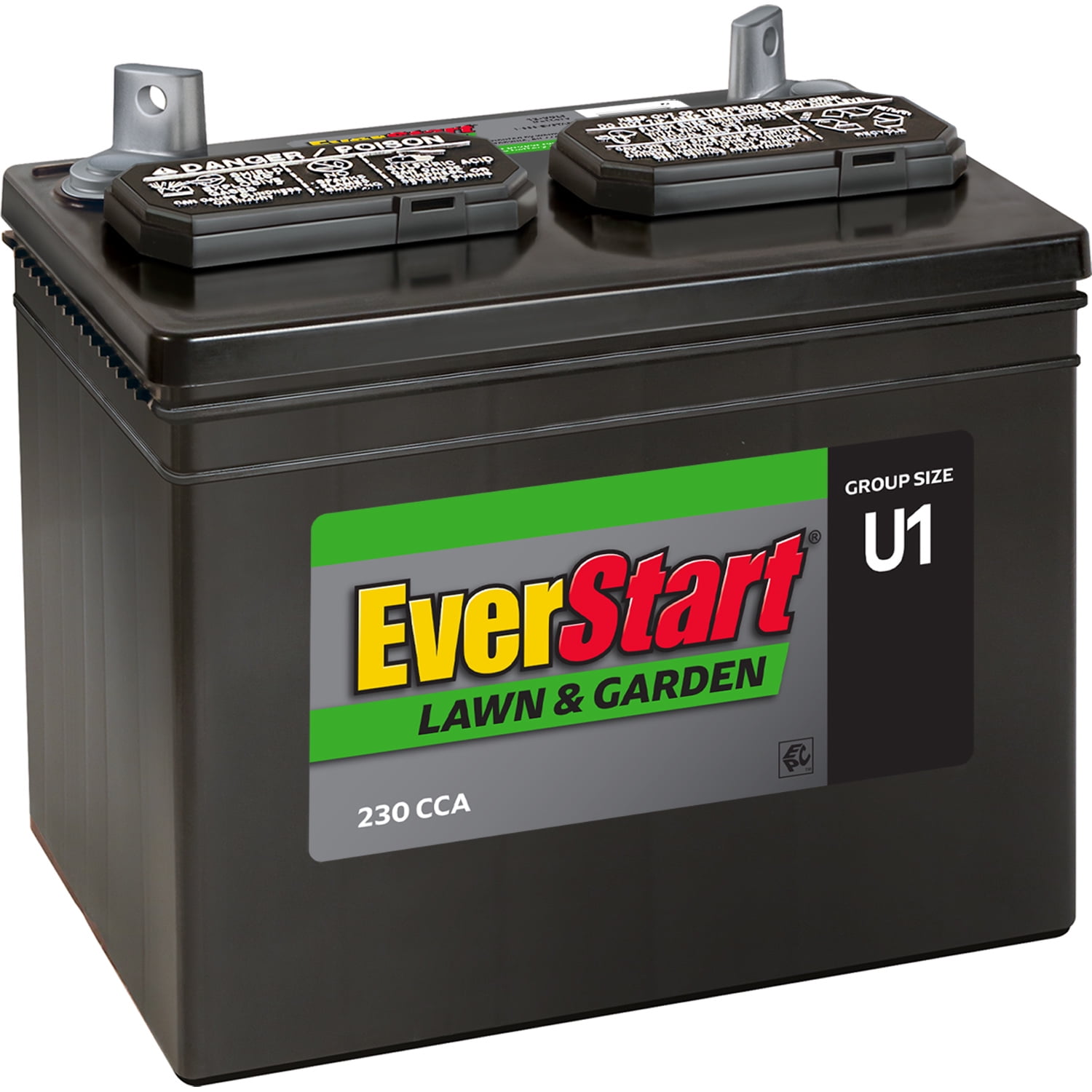
Image Source: i5.walmartimages.com
Deciphering Lawn Mower Battery Voltage
When you look at a lawn mower, you might see two main types: gas-powered and electric. While gas mowers often have a small 12-volt battery to start the engine, electric mowers rely entirely on batteries for power. The lawn mower battery voltage is a critical factor determining how much power the mower can deliver and how efficiently it will run.
Electric Mower Battery Requirements
Electric mowers have specific electric mower battery requirements that dictate their performance. The voltage is the “push” that the electricity gets. A higher voltage means more power can flow, allowing the mower to tackle tougher grass and operate for longer periods.
Voltage for Electric Mowers: What You Need to Know
Voltage for electric mowers is not a one-size-fits-all. It’s a key specification that impacts the mower’s torque, cutting ability, and overall runtime. Think of it like the engine size in a car; a larger voltage often means a more powerful machine.
Battery Voltage for Push Mowers vs. Riding Mowers
There’s a noticeable difference in battery voltage for push mowers compared to their larger riding counterparts.
- Push Mowers: These are generally designed for smaller to medium-sized yards. You’ll commonly find push mowers using battery systems that operate at 20V, 40V, or sometimes 80V. These are often designed for convenience and lighter duty.
- Riding Mowers: These are built for larger properties and require more power to move their weight and cut larger areas. Riding mower battery specs often involve higher voltages, commonly ranging from 36V to 80V, and in some high-performance models, even exceeding 80V.
Common Lawn Mower Battery Types
The evolution of lawn care has brought about several common lawn mower battery types. Understanding these is crucial for selecting the right battery for your needs.
Lead-Acid Batteries
These are the traditional workhorses. They’ve been used in gas mowers for decades to start the engine.
- Pros: Relatively inexpensive, readily available, good for starting applications.
- Cons: Heavy, require maintenance (checking water levels in some types), shorter lifespan compared to newer technologies, can be less efficient.
- Typical Voltage: Usually 12V for starting applications in gas mowers.
Lithium-Ion Batteries
Lithium-ion (Li-ion) batteries have revolutionized portable electronics and are now the dominant force in cordless lawn care.
- Pros: Lightweight, high energy density (more power in a smaller package), long lifespan, no memory effect, fast charging capabilities, minimal maintenance.
- Cons: Higher initial cost, can be sensitive to extreme temperatures.
- Typical Voltage: This is where it gets interesting. Li-ion batteries are often modular. A single cell might be around 3.7V, but manufacturers combine these cells in series to achieve the desired lawn mower battery voltage. So, you’ll see battery packs designed to deliver 20V, 40V, 60V, 80V, or even higher. The voltage indicates the potential power.
Nickel-Cadmium (NiCd) and Nickel-Metal Hydride (NiMH) Batteries
While less common in newer, high-performance mowers, these were earlier alternatives to lead-acid for cordless tools.
- Pros: Better power-to-weight ratio than lead-acid, less maintenance.
- Cons: Lower energy density than Li-ion, prone to “memory effect” (NiCd), shorter lifespan than Li-ion.
- Typical Voltage: Similar to Li-ion, they are often assembled into packs to achieve higher voltages like 24V or 36V.
Fathoming Mower Battery Capacity (Amp Hours)
While voltage tells you about the “push” of the electricity, mower battery capacity, measured in Ampere-hours (Ah), tells you how much “fuel” the battery has. It indicates how long the battery can supply a certain amount of current.
Mower Battery Amp Hours Explained
- Ampere-hour (Ah): This is the standard unit for battery capacity. A battery with a higher Ah rating can deliver more power for a longer time. For example, a 4.0 Ah battery can theoretically deliver 4 amps for one hour, or 2 amps for two hours, and so on.
- Impact on Runtime: If two mowers have the same voltage but one has a higher Ah rating, the one with the higher Ah will generally run for a longer duration on a single charge. This directly impacts your cordless mower battery life.
- Matching Voltage and Capacity: When choosing a battery, you need to consider both. A powerful 80V mower might have a 2.0 Ah battery, meaning it has high voltage but a moderate capacity. A 40V mower with a 5.0 Ah battery might have less peak power but could potentially run longer for lighter tasks.
Interpreting Riding Mower Battery Specs
Riding mower battery specs are crucial for maintaining larger properties. These machines demand more energy due to their size, weight, and the power required to operate their cutting decks and propel themselves.
Key Considerations for Riding Mowers
- Voltage: As mentioned, typically 36V to 80V or higher. This is essential for the drive system and the cutting motors.
- Capacity (Ah): Riding mowers often come with higher Ah ratings, sometimes 5 Ah, 10 Ah, or even dual batteries, to ensure they can cover larger areas without frequent recharges.
- Peak Power: Manufacturers may advertise peak power in Watts (Volts x Amps) or as a performance metric. This indicates the maximum output the mower can achieve, important for tackling thick or wet grass.
- Charger Type and Speed: For high-capacity batteries, the charger speed is a significant factor. Fast chargers can get you back to mowing much quicker.
- Battery Chemistry: Almost exclusively Lithium-ion for modern riding mowers due to their power and longevity.
Typical Lawn Mower Battery Size
The typical lawn mower battery size varies greatly depending on the mower type and its voltage.
Size Does Not Always Equal Power
It’s a common misconception that larger batteries are always more powerful. While there’s a correlation, it’s not absolute. Battery technology has advanced significantly, allowing for more energy to be stored in smaller, lighter packages.
- Walk-behind Electric Mowers: These often use battery packs that are roughly the size of a thick book or a shoebox, depending on the voltage and capacity. A 40V, 4.0 Ah battery might be considerably smaller and lighter than an older 12V lead-acid battery with similar energy output.
- Riding Mowers: These might have larger battery packs, sometimes resembling a traditional car battery in shape but with different internal chemistry and voltage. They might also use multiple smaller battery packs distributed across the mower for weight balance and ease of replacement.
Battery Form Factor
The physical shape and mounting system of the battery are also important.
- Slide-In Batteries: Many cordless mowers use batteries that slide into a dedicated compartment, much like a power tool battery. This allows for easy swapping and charging.
- Integrated Batteries: Some models might have batteries that are more permanently integrated, requiring specialized tools for removal.
- Traditional Battery Shape: Riding mowers often use batteries with a more rectangular, car-battery-like form factor for mounting in a battery tray.
Cordless Mower Battery Life: Maximizing Your Runtime
Cordless mower battery life is a primary concern for anyone considering the switch to electric. It’s determined by a combination of voltage, capacity, and how you use the mower.
Factors Affecting Runtime
- Voltage (V): Higher voltage mowers are generally more efficient at delivering power, which can contribute to longer runtime, especially under load.
- Capacity (Ah): This is the most direct factor. A higher Ah battery will naturally run longer.
- Motor Efficiency: Newer brushless motors are more efficient than brushed motors, meaning they use less battery power to perform the same task.
- Cutting Conditions: Cutting tall, wet, or dense grass requires more power and will drain the battery faster than cutting short, dry grass.
- Deck Height and Blade Sharpness: A dull blade or a very low deck setting will increase resistance and battery draw.
- Terrain: Mowing on slopes or uneven ground requires more energy.
- Battery Age and Health: Like all batteries, Li-ion batteries degrade over time and with use. Their capacity will gradually decrease.
- Ambient Temperature: Extreme cold or heat can temporarily reduce battery performance and overall runtime.
Tips for Extending Battery Life
- Mow When Grass is Dry: Wet grass is harder to cut.
- Keep Blades Sharp: Sharp blades reduce strain on the motor.
- Don’t Mow Too Low: Maintain a reasonable grass height.
- Avoid Overcharging: While Li-ion batteries are smart, it’s good practice to follow manufacturer recommendations for charging.
- Store Batteries Properly: Keep them in a cool, dry place away from direct sunlight.
- Consider Multiple Batteries: For larger yards, having a second fully charged battery to swap in can double your mowing time without a recharge break.
Choosing the Right Battery System
When selecting a new mower, especially an electric one, you’re often investing in a battery system. Many brands offer a range of tools that use the same battery platform.
The Ecosystem Advantage
- Interchangeability: If you buy a 40V mower from Brand X, you might be able to use the same 40V batteries in their string trimmer, leaf blower, or hedge trimmer. This can save money and reduce clutter.
- Scalability: As your needs grow, you can purchase higher Ah batteries for your existing tools or invest in higher voltage tools within the same brand ecosystem.
- Cost-Effectiveness: Buying tools as “skin-only” (without batteries and charger) can be more cost-effective if you already own batteries.
Voltage for Electric Mowers: A Balancing Act
- 20V Systems: Often found in very lightweight, compact mowers suitable for small, flat lawns. Runtime might be limited.
- 40V Systems: A popular sweet spot for many homeowners. Offers a good balance of power, runtime, and maneuverability for medium-sized yards.
- 60V/80V Systems: These offer more power and longer runtimes, suitable for larger yards or those with more demanding cutting conditions. They bridge the gap between traditional electric mowers and gas-powered ones.
- Higher Voltage Systems (e.g., 80V+ Riding Mowers): These are for serious lawn care on extensive properties, designed to match or exceed the performance of comparable gas mowers.
Frequently Asked Questions (FAQ)
Q1: Can I use a battery from a different brand for my lawn mower?
A1: Generally, no. Lawn mower batteries are designed with specific voltage, amperage, and connector types for a particular brand and model. Using an incompatible battery can damage the mower or the battery, and will likely void warranties. Always use batteries specified by the manufacturer.
Q2: How long should a lawn mower battery last?
A2: The lifespan of a modern lithium-ion lawn mower battery is typically 3-5 years or 500-1000 charge cycles, depending on usage and care. Lead-acid batteries generally have a shorter lifespan.
Q3: What does the number of “bars” on my battery indicator mean?
A3: The bars typically indicate the remaining charge level, similar to a smartphone battery indicator. They are an approximation of the battery’s current voltage and capacity.
Q4: Can I leave my lawn mower battery plugged in all the time?
A4: Most modern Li-ion battery chargers have trickle charging capabilities and will stop charging when the battery is full to prevent overcharging. However, it’s generally best to store batteries with a partial charge (around 50-70%) and unplug them when not in use for extended periods, especially if stored in extreme temperatures. Refer to your mower’s manual for specific advice.
Q5: Is a higher voltage lawn mower battery always better?
A5: Not necessarily. While higher voltage often means more power, it also requires a mower designed for that voltage. For smaller yards, a lower voltage (like 40V) might be perfectly adequate and potentially lighter. The best voltage depends on your yard size, grass type, and cutting needs. Always consider the mower’s overall design, not just the battery voltage.
Q6: What are the implications of mower battery capacity (Ah)?
A6: Amp-hours (Ah) directly relate to how long the battery can power the mower on a single charge. A higher Ah battery will provide longer runtime. For example, a 5.0 Ah battery will run longer than a 2.0 Ah battery of the same voltage.
Q7: How do I know if my lawn mower battery needs replacing?
A7: Signs include significantly reduced runtime, the mower struggling to start or cut grass, the battery not holding a charge, or visible damage to the battery.
This comprehensive guide should help you navigate the world of lawn mower batteries and make informed choices for your lawn care equipment. Remember to always consult your mower’s owner’s manual for specific battery recommendations and maintenance tips.