
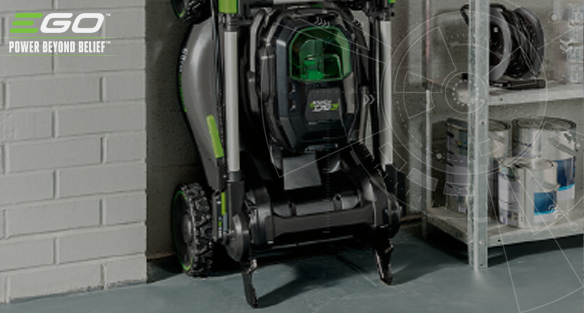
Image Source: egopowerplus.co.uk
How To Store A Lawn Mower Battery For Winter Safely
Can you store a lawn mower battery outside in winter? No, it’s not a good idea to store a lawn mower battery outside in winter. Cold temperatures can significantly damage the battery, reducing its lifespan and performance. Proper winter storage is crucial for maintaining your battery’s health and ensuring it’s ready for the next mowing season. This guide will walk you through the essential steps of lawn mower battery care for winter.
The end of the mowing season often brings relief, but it also signals a need for proper battery maintenance. Neglecting your lawn mower battery during winter storage can lead to a dead battery when spring arrives, forcing you to purchase a new one unnecessarily. Fortunately, with a little effort, you can ensure your lawn mower battery survives the cold months and functions optimally for years to come. This in-depth guide focuses on lawn mower battery care for the off-season.
Preparing Your Battery for Storage
Before you can think about where and how to store your lawn mower battery, some crucial preparation steps are needed. These steps are vital for battery protection and to prevent common issues like sulfation and acid stratification.
Cleaning the Battery
The first step in good lawn mower battery care is a thorough cleaning. Dirt, debris, and corrosion can interfere with the battery’s performance and even cause short circuits.
- Gather Supplies: You’ll need a wire brush, a mixture of baking soda and water, a clean cloth, and gloves.
- Remove Corrosion: If you see white, powdery buildup (corrosion) on the terminals, mix a tablespoon of baking soda with a cup of water. Dip the wire brush into this solution and gently scrub the battery terminals.
- Wipe Down: Use a damp cloth to wipe away the baking soda mixture and any remaining dirt or grime from the battery casing. Ensure the battery is dry before proceeding.
- Terminal Protection: After cleaning, you can apply a thin layer of dielectric grease or petroleum jelly to the terminals. This helps prevent future corrosion.
Checking Battery Acid Level
For lead-acid batteries, checking the battery acid level is a critical part of preparation, especially if you have a serviceable battery (one with removable caps). Not all lawn mower batteries are serviceable; many are sealed units.
- Identify Serviceable Batteries: Look for removable caps on top of the battery. If your battery has these, it’s likely a serviceable type.
- Safety First: Always wear gloves and eye protection when working with battery acid.
- Inspect Levels: Carefully remove the caps. The electrolyte level should be about ¼ inch above the lead plates inside each cell.
- Add Distilled Water: If the level is low, use only distilled water to top off the cells. Never use tap water, as minerals in it can damage the battery.
- Replace Caps: Securely replace the caps after checking and topping off.
Proper Charging
Proper charging is arguably the most important step for successful winter storage. A fully charged battery is less susceptible to damage from freezing temperatures and self-discharge.
- Charge Fully: Connect your lawn mower battery to a battery charger. Ensure you are using the correct charger for your battery type (e.g., 6-volt or 12-volt lead-acid battery).
- Avoid Overcharging: While modern smart chargers have overcharge protection, it’s still best practice to disconnect the battery once it’s fully charged. An overcharged battery can overheat and be damaged.
- Trickle Charger Recommendation: For long-term winter storage, using a trickle charger (also known as a maintenance charger) is highly recommended. A trickle charger delivers a small, constant amount of power to keep the battery topped up without overcharging it. This is excellent for maintaining the battery lifespan.
Ideal Storage Locations
Choosing the right storage environment is as important as preparing the battery itself. The goal is to protect the battery from extreme temperatures and physical damage.
Temperature Considerations
The ideal temperature range for storing a lawn mower battery is between 40°F and 60°F (4°C and 15°C).
- Avoid Freezing: Freezing temperatures are detrimental. If a battery is discharged, the water content in the electrolyte can freeze, expand, and crack the battery casing. Even a partially discharged battery is at risk.
- Avoid Extreme Heat: High temperatures can accelerate self-discharge and lead to internal damage. Garages that get very hot in the summer are not ideal for year-round storage of batteries.
- Cool, Dry Places: Basements or climate-controlled garages are often the best options.
Environment Factors
Beyond temperature, other environmental factors play a role in battery protection.
- Dryness: Moisture can contribute to corrosion and potential short circuits. Ensure the storage area is dry.
- Ventilation: While many modern lawn mower batteries are sealed, if you are storing a serviceable battery, good ventilation is still advisable to prevent any potential buildup of hydrogen gas, which can be explosive.
- Out of Reach: Store the battery in a location where it won’t be accidentally bumped, dropped, or come into contact with metal objects that could cause a short circuit.
Storage Methods and Accessories
There are several ways to ensure your battery stays in good condition throughout the winter, including the use of specialized accessories.
Using a Trickle Charger
A trickle charger is a small, low-amperage charger that automatically adjusts its output to keep a battery at full charge.
- Benefits: Prevents self-discharge, counteracts natural power loss, and helps maintain the battery lifespan.
- How it Works: Connect the trickle charger to the battery and plug it into a standard wall outlet. The charger monitors the battery’s voltage and provides a small current as needed.
- Continuous Connection: For optimal lawn mower battery care, you can leave a trickle charger connected throughout the entire winter storage period.
Battery Desulfator
Sulfation is a natural process where lead sulfate crystals form on the battery plates. Over time, especially in a discharged state, these crystals can harden and reduce the battery’s capacity and ability to accept a charge. A battery desulfator is a device that uses electronic pulses to break down these hardened sulfate crystals.
- When to Use: A desulfator can be beneficial if your battery has been sitting for a while or shows signs of reduced performance. It can be used before or during winter storage.
- How it Works: Connect the desulfator to the battery. It will then send electrical pulses to the battery plates, aiming to dissolve the sulfate buildup.
- Combination: Some smart chargers have a desulfation mode built-in. If not, a separate desulfator can be a good investment for prolonging battery lifespan.
Battery Box or Tray
To provide physical battery protection, consider using a battery box or tray.
- Protection from Impact: These containers shield the battery from bumps and potential damage.
- Containment: In the unlikely event of a leak, a battery box can help contain any spilled acid.
- Isolation: Some boxes can also help isolate the battery from metal surfaces, further reducing the risk of short circuits.
The Process of Storing the Battery
Putting it all together, here’s a step-by-step summary for effective lawn mower battery care during winter storage:
- Clean the Battery: Remove dirt, debris, and corrosion from the casing and terminals.
- Check Acid Levels (if applicable): Top off serviceable batteries with distilled water.
- Fully Charge the Battery: Ensure the battery is at 100% charge before storing.
- Disconnect: If the battery is still in the mower, disconnect the cables. It’s usually best to remove the battery from the mower for storage.
- Choose a Storage Location: Select a cool, dry place, ideally between 40°F and 60°F.
- Connect a Trickle Charger (Recommended): For continuous battery protection, connect a trickle charger and leave it plugged in.
- Consider a Desulfator: If you have one or your charger has a desulfation mode, use it periodically or before storage.
- Store Safely: Place the battery in a battery box or on a non-conductive surface, away from metal and out of reach.
What to Do Periodically During Winter
Battery maintenance doesn’t entirely stop once the battery is in storage. Periodic checks can help ensure everything is on track.
Monitoring Charge Levels
If you are not using a trickle charger, you will need to check the battery’s charge level periodically.
- Frequency: Check the voltage with a voltmeter every 30-60 days.
- Recharging: If the voltage drops below approximately 12.4 volts for a 12-volt battery, it’s time to recharge it. Waiting too long can lead to irreversible sulfation.
Desulfation Cycles
If you’re not using a continuous trickle charger, consider running a battery desulfator or a desulfation cycle on your charger every few months. This actively combats sulfation buildup and helps preserve battery lifespan.
Bringing the Battery Out of Storage
When the snow melts and it’s time to get the lawn mower ready, you’ll need to reintroduce the battery back into service.
Checking and Charging
- Inspect: Visually inspect the battery for any signs of damage that may have occurred during storage. Check terminals for corrosion.
- Recharge: Even if you used a trickle charger, it’s a good idea to give the battery a full charge before its first use of the season. This ensures it has maximum power for starting.
- Clean Terminals: Clean the terminals again if any corrosion has appeared.
Reinstalling the Battery
- Connect Positive First: When reconnecting the battery, attach the positive (+) cable first, then the negative (-) cable.
- Tighten Securely: Ensure the cables are securely fastened to the terminals.
Factors Affecting Battery Lifespan
Several factors influence how long your lawn mower battery will last, and proper winter storage is a significant contributor.
| Factor | Impact on Battery Lifespan |
|---|---|
| Proper Charging | Crucial. Consistent full charges and avoiding deep discharges extend life. |
| Temperature | Extreme cold/heat damages plates and accelerates self-discharge. |
| Sulfation | Degrades capacity. Occurs when discharged for extended periods. |
| Regular Use | Beneficial (when used correctly). Keeps plates active and prevents sulfation. |
| Maintenance | Essential. Cleaning terminals, checking levels (if applicable). |
| Storage Conditions | Vital. Protecting from elements and temperature extremes significantly helps. |
| Quality of Battery | Higher-quality batteries generally have longer lifespans. |
| Vibration | Excessive vibration can loosen internal components. |
Common Mistakes to Avoid
Even with the best intentions, some common mistakes can undo your efforts in lawn mower battery care.
- Leaving the Battery in the Mower: This exposes it to temperature fluctuations and potential moisture.
- Storing a Discharged Battery: This is one of the fastest ways to damage a battery, especially in cold weather.
- Using the Wrong Charger: Using a charger with the wrong voltage or amperage can damage the battery.
- Using Tap Water: Always use distilled water for serviceable batteries.
- Not Cleaning Terminals: Corrosion hinders electrical flow and can cause starting issues.
Frequently Asked Questions (FAQ)
Here are some common questions regarding lawn mower battery care for winter storage:
Q1: How often should I check my lawn mower battery during winter if I’m not using a trickle charger?
A1: You should check the battery’s charge level approximately every 30 to 60 days. Use a voltmeter to measure the voltage.
Q2: Can I store my lawn mower battery in an unheated garage?
A2: An unheated garage can be risky if temperatures drop significantly below freezing. While it might be better than outside, it’s not ideal. If you must use an unheated garage, ensure the battery is fully charged and consider insulating it further, though a climate-controlled environment is always preferred for optimal battery protection.
Q3: My lawn mower battery looks swollen. Is it still safe to store?
A3: No, a swollen battery indicates internal damage, possibly from overcharging or freezing. It is not safe to store or use a swollen battery. Dispose of it properly at a battery recycling center.
Q4: What is the difference between a trickle charger and a smart charger?
A4: A trickle charger provides a very low, constant current to maintain a full charge. A smart charger (or multi-stage charger) can intelligently manage the charging process, including desulfation, bulk charging, and float charging, to optimize battery lifespan and health. For long-term winter storage, a trickle charger or a smart charger in its maintenance mode is ideal.
Q5: How long does a lawn mower battery typically last?
A5: With proper lawn mower battery care, including good winter storage, a lawn mower battery can last anywhere from 3 to 5 years, sometimes longer. Factors like usage frequency, charging habits, and environmental conditions significantly impact its battery lifespan.
By following these comprehensive steps for lawn mower battery care and winter storage, you can significantly extend the life of your battery and ensure your lawn mower is ready to go when the spring season arrives. Prioritizing battery maintenance now will save you time, money, and frustration later.