
Can you truly bring a dead lawn back to life? Yes, with the right steps and a bit of patience, you absolutely can revive a neglected or seemingly dead lawn. Many people wonder if it’s possible to revive brown grass or restore dying lawn areas. The good news is that even a lawn that looks completely brown and lifeless often has dormant grass seeds or roots waiting for the right conditions. This guide will walk you through the entire process, from assessment to ongoing care.
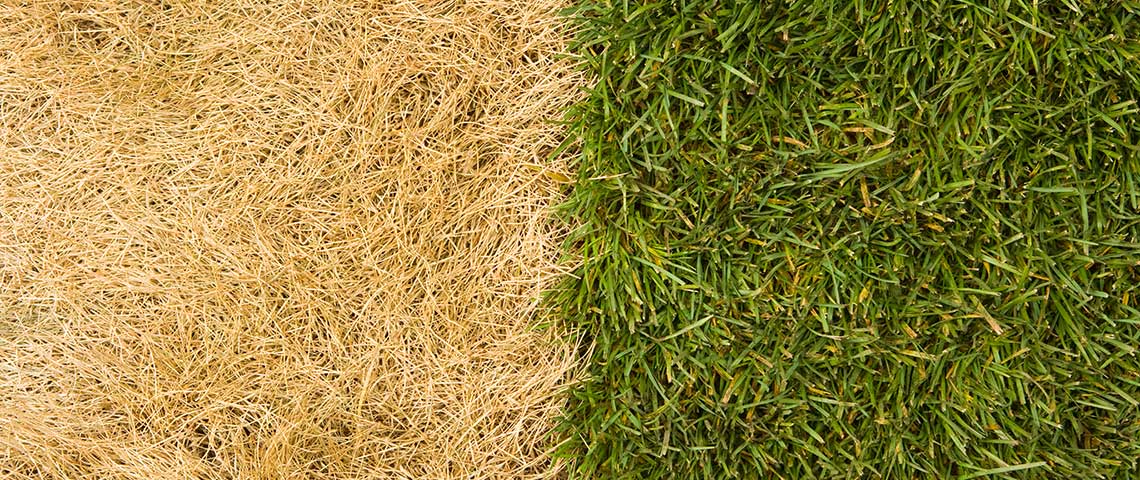
Image Source: www.pennington.com
Step 1: Assess the Damage and Identify the Cause
Before you start any lawn repair, it’s crucial to figure out why your lawn looks so sad. Is it just dry, or is there a deeper issue?
Common Culprits for Lawn Demise:
- Drought: Lack of water is a primary reason for brown, crispy grass.
- Heat Stress: Prolonged periods of high temperatures can cause grass to go dormant.
- Poor Soil: Compacted soil, lack of nutrients, or incorrect pH can starve grass roots.
- Pests: Grubs, chinch bugs, and other insects can eat away at the roots and blades.
- Diseases: Fungal infections can quickly turn a healthy lawn into a brown mess.
- Improper Mowing: Cutting grass too short or using dull blades can stress the plant.
- Over-fertilization: Too much of a good thing can burn the grass.
- Weeds: Aggressive weeds can choke out healthy grass.
How to Check for Life:
Gently pull on a patch of brown grass. If it comes out easily, the roots are likely dead. If it resists and feels like it’s attached, there’s a good chance the roots are still alive, and the grass is just dormant. You can also dig a small plug of soil and look for signs of grub worms (C-shaped white grubs) or other pests.
Step 2: Clean Up and Prepare the Ground
Once you’ve identified the likely cause (or if you suspect multiple issues), it’s time to clear the way for new growth. This involves removing dead material and addressing any physical barriers.
Clearing Out the Dead Matter:
- Rake Vigorously: Use a stiff metal rake to remove all dead grass, leaves, and debris. This process, often called “dethatching,” is vital. Thatch is a layer of dead and living grass stems and roots that accumulates between the green grass blades and the soil surface. A thick layer of thatch can block water, air, and nutrients from reaching the soil.
- Remove Weeds: Pull out any stubborn weeds by hand, ensuring you get the roots. If you have a widespread weed problem, consider using a targeted weed control for dead lawn treatment, but be cautious not to harm any potentially dormant grass. Read product labels carefully.
Addressing Soil Compaction:
-
Aerating Compacted Soil: If your soil is hard and compacted, it’s tough for water and air to penetrate. Aeration is key. This involves creating small holes in the soil. You can use a manual aerator (a tool with hollow tines) or rent a core aerator. This is a crucial step for lawn repair, as it allows nutrients and water to reach the grass roots more effectively.
- Manual Aeration: Push the tines into the soil and pull them out. Repeat every few inches across the lawn.
- Core Aeration: This machine pulls out small plugs of soil, leaving them on the surface to break down. This is more effective for heavily compacted areas.
Step 3: Revitalize the Soil
Healthy soil is the foundation of a healthy lawn. If your lawn is dead, it’s a good bet the soil needs some help. This is where soil amendment for lawn comes into play.
Testing Your Soil:
- pH Test: Get a soil test kit from your local garden center or agricultural extension office. Most grass thrives in a slightly acidic to neutral pH range (6.0-7.0). If your pH is too high or too low, nutrients won’t be available to the grass, even if you add them.
- Nutrient Test: The soil test will also indicate if your soil is lacking essential nutrients like nitrogen, phosphorus, or potassium.
Improving Soil Structure and Fertility:
- Compost or Organic Matter: Spread a thin layer (about 1/4 to 1/2 inch) of compost or well-rotted manure over the entire lawn. This adds vital organic matter, improves soil structure, and helps retain moisture. Rake it in gently.
- Lime or Sulfur: Based on your soil test results, you might need to add lime to raise the pH (make it less acidic) or sulfur to lower the pH (make it more acidic). Apply these amendments according to the package directions.
Step 4: Feeding Your Lawn (Even If It Looks Dead)
This is where you fertilize dead lawn areas. Even though the grass isn’t green, dormant roots need nutrients to recover and push out new growth.
Choosing the Right Fertilizer:
- Starter Fertilizer: For reviving a lawn, a starter fertilizer is often recommended. These fertilizers typically have a higher phosphorus content (the middle number in the N-P-K ratio), which is essential for root development.
- Slow-Release Nitrogen: Look for a fertilizer with slow-release nitrogen. This provides a steady supply of nutrients over time without burning the grass.
Application Tips:
- Timing is Key: The best time to fertilize a struggling lawn is usually in the early fall or early spring when temperatures are milder, and grass is actively growing.
- Even Distribution: Use a broadcast spreader for even application. Over-fertilizing can harm grass. Read the fertilizer bag and your spreader’s instructions carefully.
- Water It In: After fertilizing, water the lawn thoroughly. This helps the fertilizer dissolve and move into the soil, preventing burn.
Step 5: Re-seeding for Fuller Coverage
If your lawn is patchy or has bare spots, reseed patchy lawn areas is the next step. This is crucial for achieving a lush, uniform look.
Selecting the Right Grass Seed:
- Match Your Climate: Choose grass seed varieties that are suited to your region’s climate and the amount of sunlight your lawn receives. Cool-season grasses (like Kentucky bluegrass, fescues, and ryegrass) do well in cooler climates, while warm-season grasses (like Bermuda, Zoysia, and St. Augustine) prefer warmer regions.
- Consider Your Needs: Think about how you use your lawn. Some grasses are more drought-tolerant, wear-resistant, or shade-tolerant than others.
- High-Quality Seed: Invest in high-quality, certified seed. Avoid cheap blends that may contain weed seeds or lower-quality grass varieties.
The Art of Overseeding Lawn:
Overseeding lawn is the process of sowing new grass seed directly into an existing lawn. This is an excellent way to fill in thin spots and improve the overall density.
- When to Overseed: The best times are typically early fall for cool-season grasses and late spring/early summer for warm-season grasses. Aim for a time when temperatures are moderate and rainfall is expected.
- How to Overseed:
- Prepare the Lawn: After aerating and removing debris, the soil surface should be exposed.
- Apply Seed: Use a spreader to distribute the seed evenly. Aim for about 1-2 pounds of seed per 1,000 square feet, depending on the grass type.
- Rake it In: Lightly rake the seed into the soil. This ensures good seed-to-soil contact, which is essential for germination. You can also spread a thin layer of starter fertilizer or compost over the seed.
- Keep it Moist: This is the most critical part. Water the lawn lightly and frequently to keep the seedbed consistently moist but not waterlogged. Early morning is the best time to water. Avoid heavy watering, which can wash the seeds away.
Step 6: Watering for Recovery
Proper watering is paramount for bringing a dead lawn back to life. It’s about giving the grass the hydration it needs to re-establish itself. This involves watering dormant grass effectively.
Watering Strategy:
- Deep and Infrequent: Once seedlings have emerged, switch to a deeper, less frequent watering schedule. This encourages the grass roots to grow deeper into the soil, making the lawn more drought-tolerant in the long run.
- How Much Water? Aim for about 1 inch of water per week, including rainfall. You can measure this by placing a rain gauge or a few empty cans on the lawn and watering until they fill up.
- When to Water: Water in the early morning. This allows the grass to absorb the water before the heat of the day, and it reduces the risk of fungal diseases.
- Monitor Soil Moisture: Stick your finger into the soil. If it feels dry an inch or two down, it’s time to water.
Step 7: Ongoing Care and Maintenance
Reviving a dead lawn isn’t a one-time fix. Consistent care is needed to maintain its health and prevent it from declining again.
Mowing Practices:
- Mow High: Once your grass has grown to a decent height, mow it at the higher end of the recommended range for your grass type. Taller grass shades the soil, which helps retain moisture and suppress weeds.
- Sharp Blades: Always use a sharp mower blade. Dull blades tear the grass, making it susceptible to disease and stress.
- Don’t Remove Too Much: Never remove more than one-third of the grass blade in a single mowing.
Continued Weed Control:
- Stay Vigilant: Keep an eye out for new weeds. Pulling them by hand when they are small is the most effective method.
- Pre-emergent Herbicides: For lawns prone to certain weeds, consider using a pre-emergent herbicide in the spring and fall before weed seeds have a chance to germinate.
Fertilizing Schedule:
- Follow a Plan: Continue a regular fertilizing schedule based on your grass type and the season. This will provide the nutrients needed for healthy growth and density.
- Soil Testing: Re-test your soil every few years to ensure you’re providing the correct nutrients.
Troubleshooting Common Issues
Even with the best efforts, you might encounter some problems. Here’s how to deal with them:
Patchy Growth After Seeding:
- Cause: Poor seed-to-soil contact, inconsistent watering, or an unfavorable soil pH.
- Solution: Ensure the soil is properly prepped and seeds are raked in. Maintain consistent moisture during germination. Consider a soil test if you suspect pH issues. You might need to reseed the thin areas.
Fungus or Disease Appearance:
- Cause: Overwatering, poor air circulation, or specific fungal pathogens.
- Solution: Adjust watering practices to water less frequently but more deeply. Ensure good air circulation by aerating. If you suspect a specific disease, use a fungicide labeled for that problem.
Continued Brown Patches:
- Cause: Persistent pests, underlying soil issues (like grubs or poor drainage), or simply areas that are too far gone and need complete renovation.
- Solution: Re-inspect for pests. If drainage is an issue, consider adding topsoil or improving grading. In some severe cases, you may need to remove the dead sod and start fresh with new soil and seed.
Bringing Your Lawn Back: A Timeline
The process of reviving a dead lawn takes time. Here’s a general idea of what to expect:
- Weeks 1-2: You should start seeing signs of new growth from your seeds and any remaining dormant grass.
- Months 1-3: The lawn should be significantly thicker and greener. Continue with consistent watering and mowing.
- 6 Months – 1 Year: With proper care, your lawn should be well-established and healthy, looking much like it did before it declined.
Can I use a weed killer on a dead lawn?
Yes, you can use a weed killer on a dead lawn, especially if weeds are a significant problem. However, it’s crucial to choose the right product. Many herbicides are designed to target specific types of weeds without harming grass. If your lawn is entirely brown and you’re planning to reseed, using a non-selective herbicide like glyphosate can help clear the area of all vegetation, including weeds and any remaining dead grass, before you prepare the soil and reseed. Always read and follow the label instructions carefully.
What if my lawn is completely dead?
If your lawn is completely dead and there are no signs of life, you might need to consider a full lawn renovation. This typically involves removing all the dead sod, tilling the soil, amending it, and then reseeding or laying sod. Even in this situation, improving the soil is the most critical step for long-term success.
Frequently Asked Questions (FAQ)
- Q: How long does it take to revive a dead lawn?
A: It typically takes several weeks to a few months to see significant improvement, with full recovery often taking up to a year of consistent care. - Q: Should I water a completely brown lawn?
A: If the grass is dormant due to drought, watering can revive it. However, if the roots are truly dead, watering won’t bring it back. Gently tugging on the grass can help you determine if roots are present. - Q: When is the best time to reseed a lawn?
A: For cool-season grasses, early fall is ideal. For warm-season grasses, late spring to early summer is best. - Q: Do I need to fertilize a dead lawn?
A: Yes, fertilizing with a starter fertilizer can help dormant roots recover and encourage new growth. - Q: How often should I water newly seeded areas?
A: Newly seeded areas need to be kept consistently moist, which may mean watering lightly multiple times a day, especially in warm or windy conditions.
By following these detailed steps, you can effectively restore dying lawn areas and bring your once-dead lawn back to vibrant life. Remember, patience and consistent effort are your greatest allies in this lawn repair journey.