
Do you want to know how to kill clovers in your lawn? Yes, you can effectively get rid of clover from your lawn using a combination of methods. This guide will walk you through everything you need to know about clover control, from prevention to elimination, ensuring a lush, green, and clover-free yard.
Clover, often seen as a charming addition by some, can quickly become a nuisance for many homeowners. Its low growth habit and tendency to spread aggressively can choke out desirable turfgrass, creating an uneven and unsightly appearance. This invasive plant thrives in compacted, nutrient-poor soil and lawns with low nitrogen levels, conditions that often plague otherwise healthy yards. The good news is that with the right knowledge and approach, you can achieve clover eradication and maintain a beautiful lawn.
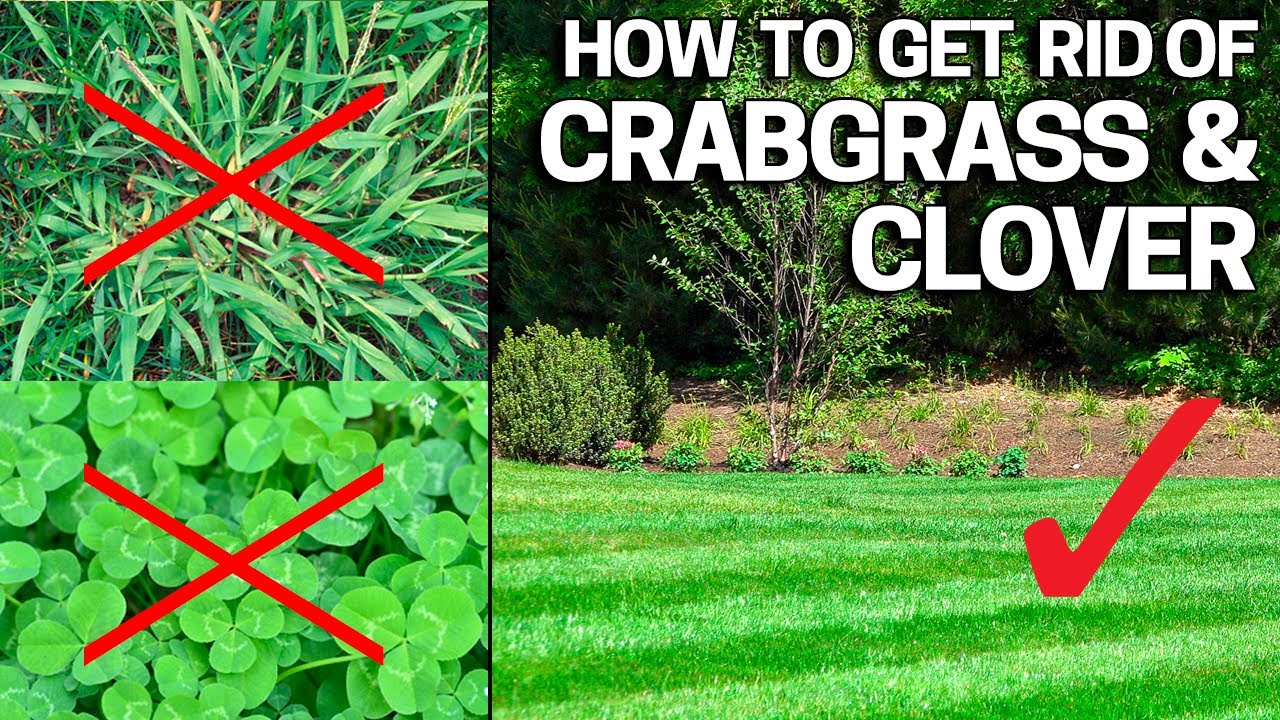
Image Source: i.ytimg.com
Why Does Clover Take Over Your Lawn?
Before we dive into the methods for how to remove clover, it’s helpful to understand why it becomes such a prevalent issue in the first place. Clover, scientifically known as Trifolium repens, is a perennial legume. This means it lives for many years and has the ability to fix nitrogen from the air, turning it into a form that plants can use. While this nitrogen-fixing ability can be beneficial in some gardening contexts, it gives clover a competitive edge in lawns that might be lacking in nitrogen.
Several factors contribute to clover’s success:
- Poor Soil Health: Compacted soil, low organic matter, and a lack of essential nutrients create an environment where clover can flourish while your grass struggles.
- Insufficient Watering: Lawns that are not watered deeply and infrequently are more susceptible to drought stress. Clover, with its deeper root system, can often survive these conditions better than shallow-rooted grasses.
- Low Nitrogen Levels: As mentioned, clover is a nitrogen fixer. If your lawn’s nitrogen levels are consistently low, clover has a natural advantage.
- Mowing Practices: Mowing your lawn too short can weaken the grass and expose the soil, giving clover seeds an opportunity to germinate.
- Weed Seed Bank: Over time, weed seeds, including clover, accumulate in the soil. Dormant seeds can sprout when conditions are favorable.
Methods for Clover Control and Eradication
Achieving clover eradication requires a multi-faceted approach. While some methods offer quick fixes, a long-term strategy focusing on promoting healthy turfgrass is key to preventing its return. Here’s a breakdown of the most effective ways to get rid of clover.
Chemical Weed Killers: The Targeted Approach
Chemical herbicides are often the go-to solution for many lawn care problems, and clover is no exception. However, it’s crucial to choose the right product and apply it correctly to avoid damaging your desired grass.
Best Clover Killer Options
When selecting a herbicide, look for products specifically labeled for broadleaf weed control. Many common broadleaf weed killers will effectively target clover. Some of the most effective active ingredients for clover killer products include:
- Mecoprop (MCPP): A selective herbicide that targets broadleaf weeds.
- Dicamba: Another selective herbicide that controls a wide range of broadleaf weeds.
- 2,4-D: A widely used herbicide that is effective against many broadleaf weeds.
- Trimec: A popular combination of MCPP, 2,4-D, and Dicamba, offering broad-spectrum broadleaf weed control.
Always read and follow the label instructions on any herbicide product. This includes the recommended application rates, timing, and safety precautions.
Application Timing is Crucial
The best time to apply herbicides for clover control is when the clover is actively growing and healthy. This typically occurs in the spring and fall. Avoid applying herbicides during periods of extreme heat, drought, or when rain is imminent, as this can reduce effectiveness and potentially harm your lawn.
How to Apply Herbicides
- Choose a Calm Day: Wind can cause the herbicide to drift onto desirable plants or your own skin.
- Apply Evenly: Use a spreader or sprayer to ensure consistent coverage. Overlapping passes can lead to over-application, while skipping areas will leave clover patches behind.
- Spot Treatment: For smaller infestations, spot treating individual clover patches is more economical and minimizes the use of chemicals on your entire lawn.
- Follow-Up: Some persistent clover may require a second application after a few weeks.
Natural Clover Control Methods: Eco-Friendly Solutions
For those who prefer to avoid synthetic chemicals, several natural and organic methods can help with clover control. These methods often focus on improving soil health and creating an environment less favorable for clover.
Improving Soil Health and Fertilization
The most sustainable way to achieve clover eradication is to create a lawn that your grass loves and clover dislikes.
- Nitrogen Boost: Clover thrives in low-nitrogen conditions. Applying a high-nitrogen fertilizer can give your grass the nutrients it needs to outcompete clover. Look for fertilizers with a higher first number (N-P-K ratio), for example, 24-0-6.
- Soil pH Adjustment: Clover prefers slightly acidic to neutral soil. If your soil is too acidic, you might need to add lime to raise the pH, making it more favorable for grass. Conduct a soil test to determine your lawn’s pH and nutrient levels.
- Aeration: Compacted soil restricts grass root growth. Aerating your lawn creates small holes, allowing air, water, and nutrients to reach the roots more effectively, promoting a healthier, denser turf.
- Overseeding: After aeration, overseeding with a high-quality grass seed suitable for your climate can fill in thin areas and strengthen your lawn against weeds.
Manual Clover Removal: The Hands-On Approach
For small patches of clover, manual clover removal is a very effective, albeit labor-intensive, method.
- Tools: A small trowel, a weeding fork, or a specialized dandelion and clover removal tool can be used.
- Technique: Dig around the base of the clover plant, ensuring you get as much of the root system as possible. Clover has a taproot, and if the root is left behind, the plant can regrow.
- Timing: This is best done when the soil is moist, as it makes it easier to pull out the entire root.
- Disposal: Dispose of the removed clover in a sealed bag to prevent seeds from scattering.
Vinegar and Salt: A DIY Solution (Use with Caution!)
While sometimes suggested as a natural clover control method, using vinegar and salt on your lawn requires extreme caution.
- How it works: Vinegar (acetic acid) and salt can desiccate and kill plants.
- Risks: These solutions are non-selective, meaning they will kill any plant they come into contact with, including your grass. They can also damage soil structure and affect future plant growth.
- Application: If you choose to use this method, it should be strictly for spot treatment on pavement cracks or areas where you want to kill all vegetation. Never apply it broadly to your lawn.
Cultural Practices for Long-Term Clover Management
Beyond immediate removal, adopting good lawn care clover practices can prevent its return and foster a more resilient lawn.
Mowing Height Matters
- Higher is Better: Set your mower to a higher cutting height. For most cool-season grasses, this is between 3 to 4 inches. Taller grass shades the soil, preventing weed seeds from germinating and provides a stronger root system for your turf.
- Sharp Blades: Ensure your mower blades are sharp. Dull blades tear grass, leaving it susceptible to disease and stress, which clover can exploit.
Proper Watering
- Deep and Infrequent: Water your lawn deeply but less often. This encourages grass roots to grow deeper into the soil, making them more drought-tolerant and less vulnerable to the shallow-rooted competition from clover. Aim for about 1 inch of water per week, delivered in one or two watering sessions.
- Avoid Shallow Watering: Frequent, shallow watering encourages shallow root growth, which benefits weeds like clover.
Fertilization Schedule
- Consistent Feeding: Follow a regular fertilization schedule tailored to your grass type and climate. This ensures your grass has the nutrients it needs to stay healthy and dense.
- Nitrogen is Key: As discussed, a balanced fertilizer with a good amount of nitrogen will help your grass outcompete clover.
Dealing with Other Weeds: Dandelion and Clover Control
Often, clover isn’t the only unwelcome guest in your lawn. Many homeowners are concerned with dandelion and clover control simultaneously. Fortunately, many broadleaf weed killers are effective against both.
- Combined Treatments: When purchasing herbicides, check the label to see if it targets both clover and dandelions. Products like Trimec are known to be effective against a wide array of broadleaf weeds.
- Integrated Approach: The best strategy for managing multiple weeds is an integrated approach. Healthy, dense turf is the best defense against all weeds. By improving your lawn’s overall health through proper mowing, watering, and fertilization, you’ll naturally suppress the growth of dandelions, clover, and other unwanted plants.
When to Seek Professional Help
If you have a severe clover infestation or are struggling to achieve clover eradication on your own, it might be time to consult a professional lawn care service. They have access to professional-grade products and specialized equipment, and they can develop a tailored plan for your specific lawn conditions.
Frequently Asked Questions About Clover in Lawns
Q1: Is clover bad for my lawn?
While clover can provide some nitrogen to the soil, its aggressive growth can outcompete and choke out desirable grass species, leading to an uneven and less attractive lawn.
Q2: Can I use vinegar to kill clover?
Yes, vinegar can kill clover, but it is non-selective and will also kill your grass. It should only be used for spot treatment on non-lawn areas or with extreme caution on isolated clover patches.
Q3: When is the best time to treat clover?
The best time to treat clover with herbicides is when it is actively growing, typically in the spring or fall. For manual removal or improving soil health, these times are also ideal.
Q4: Will a high-nitrogen fertilizer kill clover?
A high-nitrogen fertilizer won’t directly kill clover, but it will nourish your grass, helping it to grow thicker and stronger, which in turn can outcompete clover for resources like sunlight and nutrients.
Q5: How do I prevent clover from coming back?
To prevent clover, focus on maintaining a healthy and dense lawn through proper mowing, watering, fertilization, and aeration. Address any soil compaction or nutrient deficiencies promptly.
By implementing these expert tips, you can effectively tackle clover in your lawn and enjoy a greener, healthier, and more uniform turf. Remember, consistent lawn care clover practices are the most sustainable path to clover eradication.