
The question of “how much lime do I put on my lawn?” depends heavily on your soil’s pH and the type of lime you are using. Typically, for most established lawns with acidic soil, a common recommendation is around 5 to 10 pounds of agricultural lime per 1000 square feet.
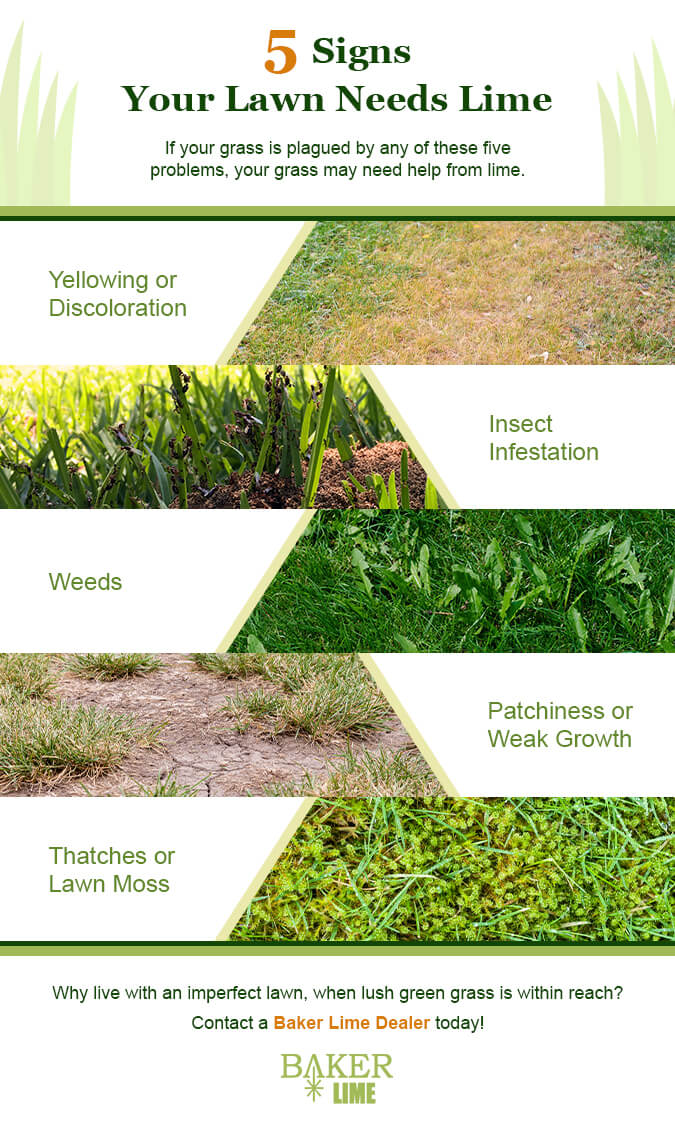
Image Source: www.bakerlime.com
Why Your Lawn Needs Lime
Your lawn, much like any garden, thrives in a balanced environment. One of the most critical factors for healthy turfgrass growth is soil pH. Soil pH is a measure of how acidic or alkaline your soil is. Most turfgrasses prefer a slightly acidic to neutral pH, generally between 6.0 and 7.0. When your soil becomes too acidic, it can negatively impact your lawn’s ability to absorb essential nutrients from the soil, leading to stunted growth, thinner grass, and increased susceptibility to diseases and weeds. This is where lime for acidic soil plays a crucial role. Liming your lawn helps to raise the soil pH, making nutrients more available to the grass roots and fostering a more robust and healthy turf.
The Benefits of Liming Lawn
Applying lime to your lawn offers several significant advantages:
- Nutrient Availability: As mentioned, acidic soil locks up essential nutrients like phosphorus, potassium, calcium, and magnesium. Liming neutralizes this acidity, “unlocking” these nutrients and making them readily available for grass uptake.
- Improved Soil Structure: Lime can help to improve soil aggregation, leading to better aeration and water penetration. This is especially beneficial in clay soils that tend to compact.
- Enhanced Microbial Activity: A balanced pH supports beneficial soil microbes that are vital for breaking down organic matter and recycling nutrients.
- Reduced Aluminum Toxicity: In very acidic soils, aluminum can become soluble and toxic to grass roots, hindering growth. Liming reduces aluminum availability.
- Weed and Disease Resistance: Healthier, more vigorous grass is naturally more resistant to weeds and diseases.
Fathoming Your Soil’s pH: The First Step
Before you even consider how much lime per 1000 sq ft to apply, the most important step is to determine your soil’s current pH level. This is where how to test soil pH becomes paramount. You can’t effectively treat a problem without knowing its severity.
DIY Soil Testing
The easiest and most common way to test your soil pH is with a home soil testing kit. These kits are readily available at garden centers and online. They typically involve:
- Collecting Soil Samples: Take several small soil samples from different areas of your lawn, avoiding any recently limed areas or highly trafficked spots. Aim for a depth of about 4-6 inches, which is where most grass roots are located.
- Mixing Samples: Combine the samples in a clean container and mix them thoroughly. This provides a representative sample of your entire lawn.
- Following Kit Instructions: Each kit will have specific instructions. Usually, you’ll mix a small amount of your soil with a provided solution or use a probe to get a reading. The color change or the probe’s display will indicate your soil’s pH.
Professional Soil Testing
For more detailed and accurate results, consider sending a soil sample to your local county extension office or a private soil testing laboratory. They can provide a comprehensive analysis, including:
- Precise pH Reading: A more accurate pH measurement than home kits.
- Nutrient Levels: Information on existing levels of essential nutrients (nitrogen, phosphorus, potassium, etc.).
- Organic Matter Content: An assessment of how much organic material is in your soil.
- Specific Lime Recommendations: Based on the analysis, they can provide precise liming recommendations tailored to your lawn and soil type.
Deciphering Your Lime Needs: How Much to Apply
Once you know your soil’s pH, you can determine the lawn lime application rate. The goal of liming is to gradually raise the pH to the desired range, not to drastically alter it in one application.
The Role of Soil Type and pH Deficit
The amount of lime needed is influenced by two primary factors:
- Current Soil pH: The lower your soil’s pH (more acidic), the more lime you’ll need to raise it to the target range.
- Soil Texture:
- Sandy Soils: Have a lower cation exchange capacity (CEC), meaning they hold fewer nutrients and minerals. They require less lime to adjust pH.
- Clay Soils: Have a higher CEC and contain more buffering compounds. They require more lime to achieve the same pH change because they resist pH alteration more strongly.
Calculating How Much Lime Per 1000 Sq Ft
General guidelines are often provided, but it’s crucial to consult a lime coverage chart or use the recommendations from a professional soil test. These charts are designed to help you figure out how much lime per 1000 sq ft is needed to raise your soil’s pH by a specific amount, considering your soil type.
Example of a General Lime Application Chart (for illustration purposes only – always consult specific product recommendations or soil test results):
| Current Soil pH | Target Soil pH | Sandy Loam (lbs/1000 sq ft) | Loam (lbs/1000 sq ft) | Clay Loam (lbs/1000 sq ft) |
|---|---|---|---|---|
| 5.0 | 6.0 | 4-5 | 6-8 | 8-10 |
| 5.5 | 6.5 | 3-4 | 5-6 | 6-8 |
| 6.0 | 6.5 | 1-2 | 2-3 | 3-4 |
Important Note: These are approximate values. Always refer to the specific product packaging or your soil test report.
The Importance of Gradual Application
It’s generally recommended to apply lime in smaller amounts over time rather than a single heavy application. This is because:
- Effectiveness: Lime works best when it has time to react with the soil.
- Cost-Effectiveness: Spreading out applications can be more manageable financially.
- Avoiding Overliming: Applying too much lime at once can lead to overliming lawn symptoms.
Types of Lawn Lime: Making the Right Choice
When you head to the garden center, you’ll notice there are different types of lime available. The most common forms of agricultural lime for lawns are calcitic lime and dolomitic lime.
Calcitic Lime vs. Calcitic Lime
- Calcitic Lime (Calcium Carbonate): This type of lime is primarily a source of calcium and is effective at raising soil pH. It’s a good choice if your soil also has sufficient magnesium levels.
- Dolomitic Lime (Calcium Magnesium Carbonate): This lime provides both calcium and magnesium. It’s a good option if your soil test indicates a deficiency in either or both of these essential nutrients. Dolomitic lime tends to react a bit slower than calcitic lime.
Key Differences:
| Feature | Calcitic Lime | Dolomitic Lime |
|---|---|---|
| Primary Benefit | Raises pH, provides Calcium | Raises pH, provides Calcium & Magnesium |
| Calcium Content | High | Moderate |
| Magnesium Content | Low | High |
| Reaction Rate | Generally faster | Generally slower |
| Soil Recommendation | If soil magnesium is adequate | If soil magnesium is deficient |
How to Choose: Your soil test results are your best guide. If your soil has adequate magnesium, calcitic lime is sufficient. If your soil is low in magnesium, dolomitic lime will serve a dual purpose.
Application Techniques for Optimal Results
Knowing how much lime per 1000 sq ft is only half the battle. Applying it correctly ensures it does its job effectively.
Spreading the Lime
- Use a Spreader: The most efficient and even way to apply lime is with a broadcast spreader (either rotary or drop).
- Rotary Spreaders: Cover a wider area with each pass and are good for large lawns.
- Drop Spreaders: Apply lime in a narrow, precise band, which can be useful for targeting specific areas but requires more passes for full coverage.
- Calibration: Ensure your spreader is properly calibrated according to the lime product’s instructions. This will help you apply the correct amount per 1000 sq ft.
- Even Distribution: Walk at a consistent pace and overlap your passes slightly to ensure even coverage. Avoid dumping large piles of lime in one spot, as this can lead to uneven pH changes.
- Timing: The best time to lime lawn is typically in the fall or early spring. These seasons allow the lime to slowly dissolve and work its way into the soil over several months before the peak growth period of summer. Applying lime when the grass is dry also prevents clumping and ensures better distribution.
Post-Application Care
- Watering: Lightly watering your lawn after applying lime can help it begin to dissolve and move into the soil.
- Avoid Overlap: Be careful not to overlap your spreader passes significantly, as this can lead to overapplication in certain areas.
When to Lime Your Lawn
The frequency of liming depends on your soil’s pH and how quickly it drifts back towards acidity.
Determining Liming Frequency
- Regular Soil Testing: The best approach is to test your soil pH every 1 to 3 years.
- pH Trend: If your soil pH remains stable within the ideal range after an initial liming, you may only need to apply lime every 2-3 years, or even less frequently.
- Specific Needs: If your soil pH consistently drops, you might need to apply lime more often, but always follow the recommended rates to avoid overliming lawn symptoms.
The Best Time to Lime Lawn
As mentioned, fall and early spring are generally considered the best time to lime lawn. Here’s why:
- Fall: The soil is typically moist, and the lime has ample time to react and integrate into the soil before the next growing season.
- Early Spring: Applying lime in early spring, before significant grass growth begins, is also effective. The spring rains will help the lime work into the soil.
Avoid Liming During:
- Drought: Lime won’t dissolve effectively in dry soil.
- Very Hot Weather: It can stress the grass.
- When the Lawn is Wet: This leads to clumping and uneven application.
Potential Pitfalls: What to Avoid
While liming is beneficial, it’s important to be aware of potential problems.
Overliming Lawn Symptoms
Applying too much lime can cause as many problems as too little. Signs of overliming lawn symptoms include:
- Yellowing or Browning Grass: This is often due to nutrient lockout. While lime makes nutrients available, excessive lime can tie up micronutrients like iron, leading to chlorosis (yellowing).
- Increased Weed Growth: Some weeds, like clover, actually thrive in more alkaline conditions, so overliming could favor their growth.
- Poor Fertilizer Response: If your fertilizer isn’t producing the desired results after liming, overliming could be the cause.
Other Considerations
- Do Not Mix with Fertilizer: Generally, it’s best to apply lime and fertilizer separately. Some fertilizers can react with lime, reducing their effectiveness or potentially damaging the grass. Wait a few weeks between applications.
- Read Product Labels: Always follow the specific instructions on the lime product packaging regarding application rates and safety precautions.
Frequently Asked Questions (FAQ)
Q1: Can I lime my lawn in the summer?
While it’s not the ideal time, you can lime in the summer if necessary. However, ensure the grass is dry and water it lightly afterward. Avoid applying during extreme heat to prevent stressing the turf.
Q2: How long does it take for lime to work?
Lime begins to react with the soil immediately, but it can take several months for the full pH adjustment to occur. The benefits to your grass will be gradual.
Q3: How often should I re-test my soil pH?
It’s recommended to test your soil pH every 1-3 years to monitor changes and adjust your liming schedule as needed.
Q4: Does lime kill weeds?
Lime itself does not kill weeds. It improves soil health, which can help your grass outcompete weeds. However, some weeds might thrive in the slightly more alkaline conditions created by overliming.
Q5: Is it better to use granular lime or powdered lime?
Granular lime is generally easier to apply evenly with a spreader and is less dusty than powdered lime. Both forms are effective, but granular is often preferred for lawn care.
By following these guidelines and taking the time to test your soil, you can effectively use lime to create a healthier, more vibrant lawn. Remember, proper application and consistent monitoring are key to achieving the best results.