
Can I stop raccoons from digging up my lawn? Yes, you can! There are many effective ways to deter raccoons from digging up your lawn, from simple DIY methods to more involved landscape solutions. This guide will walk you through everything you need to know to achieve lawn protection and digging prevention.
Raccoons are intelligent and adaptable creatures, which makes them a common nuisance for homeowners. Their distinctive masked faces and bushy tails might seem cute, but their nocturnal digging habits can wreak havoc on manicured lawns, flower beds, and vegetable gardens. They are often searching for grubs, insects, or other tasty morsels hidden beneath the surface. If your lawn is suddenly riddled with holes, it’s a strong sign that raccoons have found a buffet. This article is your comprehensive resource for humane raccoon control and to stop raccoons digging effectively.
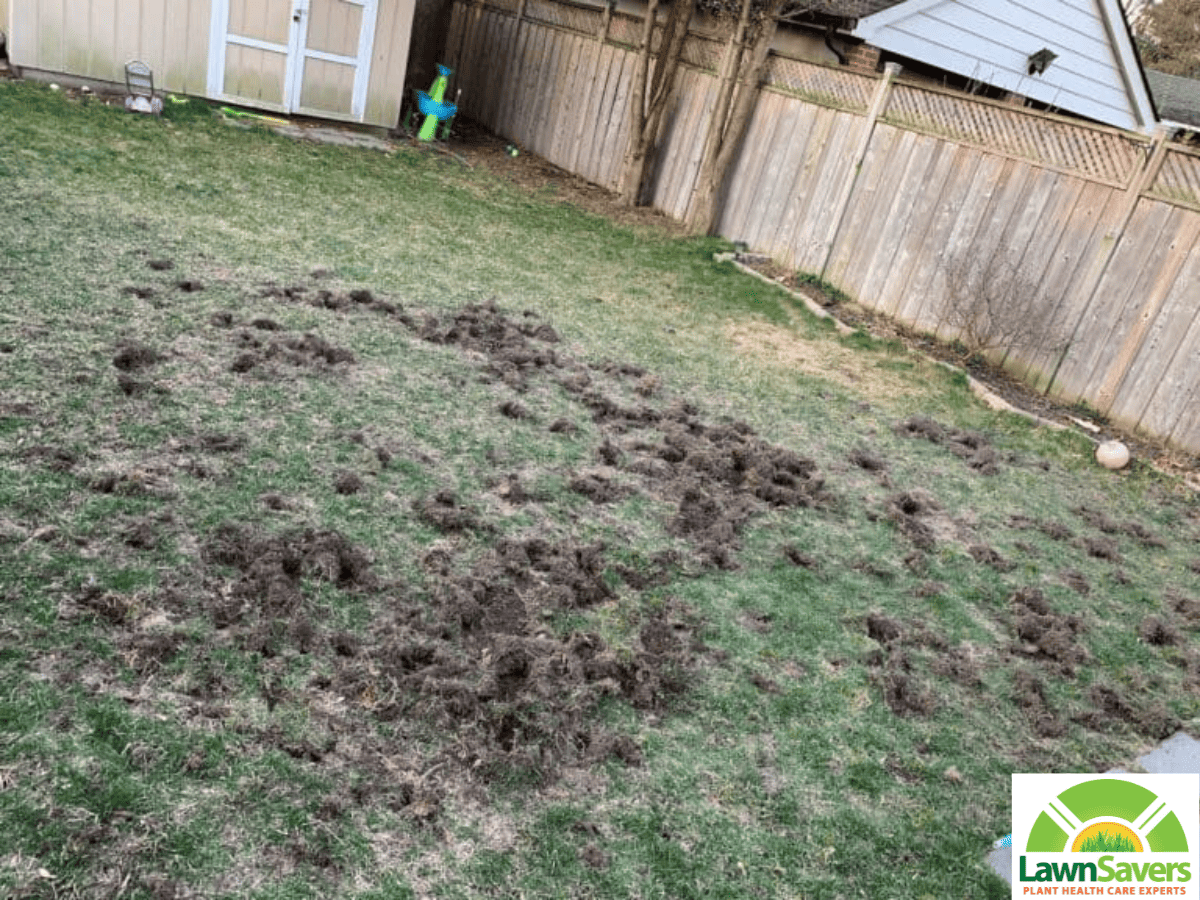
Image Source: lawnsavers.com
Why Raccoons Dig Up Lawns
To effectively deter raccoons, it helps to know why they dig in the first place. Their motivation is usually driven by a search for food.
Food Sources in Your Lawn
- Grubs and Insects: The most common reason raccoons dig is to find beetle larvae (grubs) and other soil-dwelling insects. These are protein-rich meals for them. Areas with a dense grub population are prime targets.
- Earthworms: While not as nutritious as grubs, earthworms are also a food source that raccoons will dig for, especially after rain when they are closer to the surface.
- Nuts and Berries: If you have trees or bushes that drop nuts or berries near your lawn, raccoons might investigate the soil for any that have fallen and become buried.
Other Attractions
- Shelter: Raccoons are opportunistic and will seek out safe places to rest or raise their young. This can sometimes include digging under sheds, decks, or dense shrubbery.
- Water: Proximity to a water source, like a pond or even a birdbath, can also make your lawn more attractive.
Effective Raccoon Deterrents for Your Lawn
Fortunately, there are numerous strategies you can employ to make your lawn less appealing to these masked bandits. These range from simple scent deterrents to physical garden barriers and professional assistance.
Scent-Based Deterrents
Raccoons have a strong sense of smell and are often repelled by certain strong odors that humans might not even notice.
Ammonia-Based Solutions
Ammonia mimics the scent of predators and can be a potent raccoon repellent.
- How to Use: Soak rags or cotton balls in household ammonia and place them strategically around the areas where raccoons are digging. You can also create a diluted ammonia spray by mixing one part ammonia with three parts water.
- Application: Sprinkle this mixture lightly around the perimeter of your lawn or directly on affected areas.
- Frequency: Reapply weekly or after heavy rain, as the scent dissipates.
Cayenne Pepper and Chili Powder
The capsaicin in spicy peppers can irritate a raccoon’s nose and mouth, making them reconsider their digging plans.
- How to Use: Sprinkle cayenne pepper or chili powder generously around the perimeter of your lawn and any other spots they frequent.
- Application: Mix with a little water to help it stick to the grass and soil.
- Frequency: This needs to be reapplied frequently, especially after watering or rain, as it washes away easily.
Garlic and Onion Repellents
The strong smell of garlic and onions is often off-putting to raccoons.
- How to Use: You can plant garlic or onion bulbs around the edges of your garden beds. Alternatively, chop up garlic cloves and onions and scatter them.
- Application: For a spray, boil garlic cloves and onions in water, let it cool, then strain and spray on your lawn.
- Frequency: Reapply the spray every few days.
Peppermint Oil
The strong, pungent scent of peppermint oil can be a natural organic raccoon deterrent.
- How to Use: Soak cotton balls in peppermint oil and place them around your lawn.
- Application: You can also mix a few drops of peppermint oil with water and spray it.
- Frequency: Reapply every few days, as the scent fades.
Commercial Raccoon Repellents
Many store-bought wildlife deterrents are available, often containing ingredients like castor oil or predator urine (fox, coyote).
- How to Use: Follow the product instructions carefully. These are typically granular or spray applications.
- Application: Ensure even distribution for best results.
- Frequency: Reapplication schedules vary by product.
Physical Barriers and Exclusion Methods
Sometimes, scent deterrents aren’t enough. Physical barriers can prevent raccoons from accessing your lawn altogether.
Fencing
A well-constructed fence is one of the most reliable methods for lawn protection.
- Height: Fences should be at least 3-4 feet tall to deter raccoons from easily climbing over.
- Material: Use sturdy materials like wire mesh or solid panels.
- Anchoring: Raccoons are good diggers, so it’s crucial to bury the bottom of the fence at least 12 inches deep or anchor it securely to the ground to prevent them from burrowing underneath. An outward-facing L-shaped skirt of chicken wire buried underground can also be effective.
Garden Bed Protection
For specific garden areas, you can use various materials.
- Chicken Wire or Hardware Cloth: Laying chicken wire or hardware cloth over garden beds, especially newly planted ones, can prevent digging. You can secure it with landscape staples. For ease of access to water plants, you can hinge sections or use smaller, removable panels.
- Mulch: A thick layer of mulch (e.g., pine needles, wood chips) can make it harder for raccoons to dig effectively and can also deter them by making the ground less appealing.
- Prickly Materials: Placing thorny branches (like rose cuttings) or pinecones on the soil surface can create an uncomfortable texture for raccoons to dig through.
Netting
Lightweight netting can be draped over vulnerable plants or garden areas.
- How to Use: Ensure the netting is secured around the edges to prevent raccoons from getting tangled or lifting it.
- Application: Best for smaller, contained areas.
Light and Sound Deterrents
Raccoons are nocturnal, so startling them with unexpected light or noise can be effective.
Motion-Activated Sprinklers
These devices detect movement and spray a burst of water, which can startle raccoons and drive them away without causing harm.
- How to Use: Position them strategically in your yard.
- Application: Aim the spray towards common raccoon entry points or digging areas.
- Frequency: They work automatically when triggered.
Motion-Activated Lights
Bright, flashing lights can disorient and scare away nocturnal animals.
- How to Use: Install these in areas where raccoons are active.
- Application: Ensure they cover the vulnerable parts of your lawn.
Ultrasonic Devices
These devices emit high-frequency sounds that are generally inaudible to humans but can be irritating to animals like raccoons.
- How to Use: Place them around your yard.
- Effectiveness: While some people find them effective, their success can vary, and raccoons may eventually get used to the sound.
Habitat Modification and Lawn Care
Making your lawn less hospitable overall is a key component of long-term digging prevention.
Eliminate Food Sources
- Secure Trash Cans: Ensure your garbage cans have tight-fitting lids and consider using bungee cords or locks. Store them in a garage or shed if possible.
- Pet Food: Don’t leave pet food outdoors, especially overnight.
- Bird Feeders: Birdseed that falls to the ground can attract raccoons. Clean up spilled seed regularly or consider removing feeders temporarily if raccoon activity is high.
- Fallen Fruit: Pick up any fallen fruit from trees promptly.
Reduce Water Sources
- Fix Leaky Faucets: Ensure there are no dripping outdoor faucets or pipes.
- Empty Standing Water: Remove any containers that collect rainwater.
Grubb Control
Addressing the root cause of their food search is crucial.
- Identify Grubs: If you suspect grubs are the issue, identify them. You can do this by lifting a small section of your lawn; if you see more than 5-10 grubs in a square foot, you likely have a problem.
- Natural Treatments: Consider using beneficial nematodes or milky spore disease, which are organic raccoon deterrents that target grubs naturally.
- Chemical Treatments: If necessary, use grub control products according to package directions. Timing is important for efficacy.
Raccoon-Proofing Existing Structures
If raccoons are finding shelter under your deck or shed, you’ll need to secure these areas.
- Secure Entry Points: Seal any openings with sturdy materials like hardware cloth or sheet metal. Raccoons can squeeze through surprisingly small gaps.
- Check for Nests: If you suspect they have already nested, it’s best to wait until young raccoons are mobile before sealing entry points, or consult a professional.
Implementing a Multi-Pronged Strategy
The most effective approach to stop raccoons digging is often a combination of these methods. What works for one homeowner might not work for another, so a bit of experimentation might be needed.
Step-by-Step Implementation
- Identify the Problem Areas: Note where the digging is most severe. This helps you target your deterrents.
- Clean Up: Remove any obvious food sources like fallen fruit or accessible trash.
- Apply Scent Deterrents: Start with simple, cost-effective options like ammonia-soaked rags or cayenne pepper.
- Install Physical Barriers: If digging continues, consider fencing off specific garden beds or reinforcing areas under decks.
- Address Grubs: If grub infestation is suspected, implement a grub control strategy.
- Introduce Light/Sound: Use motion-activated sprinklers or lights as an additional layer of deterrence.
- Monitor and Adjust: Observe the results. If raccoons persist, try a different combination of deterrents or stronger solutions.
Humane Considerations and When to Call Professionals
It’s important to use methods that are humane and effective. The goal is to deter, not harm.
Humane Raccoon Control Methods
- Repellents: Most scent and taste deterrents are humane as they simply make the area unpleasant.
- Barriers: Fencing and netting prevent access without injury.
- Startling Devices: Sprinklers and lights are designed to scare, not harm.
When to Consider Professional Pest Control
If you’ve tried multiple methods and are still struggling with raccoon activity, or if you suspect a serious infestation or the presence of young, it might be time to call in the experts.
- Expert Assessment: Professional pest control services can identify the extent of the problem and the most effective solutions for your specific situation.
- Humane Removal: If removal is necessary, professionals have the knowledge and equipment to do so humanely and safely.
- Preventative Measures: They can also advise on long-term landscape solutions and preventative measures to keep raccoons away.
Natural and Organic Raccoon Deterrents
For those who prefer to avoid chemicals, several natural options are effective.
Beneficial Nematodes
These microscopic organisms feed on grub larvae, reducing the food source for raccoons in a completely natural way.
- Application: Applied to the soil, usually in the spring or fall.
- Effectiveness: Can take some time to establish but provide long-term grub control.
Milky Spore Disease
This is a naturally occurring bacteria that specifically targets Japanese beetle grubs, a common food source for raccoons.
- Application: Applied to the lawn in the fall and spring.
- Effectiveness: It builds up in the soil over several years, providing sustained grub control.
Essential Oils
Beyond peppermint, other strong essential oils like castor oil, citronella, and eucalyptus can also act as organic raccoon deterrents.
- How to Use: Dilute a few drops with water and spray around affected areas.
- Frequency: Reapply regularly as the scent fades.
Coffee Grounds and Citrus Peels
Some people report success scattering used coffee grounds or citrus peels (lemon, lime, orange) around their lawns. The strong smells can be a deterrent.
- Application: Scatter liberally.
- Frequency: Needs frequent replenishment.
Frequently Asked Questions (FAQ)
Q1: How can I stop raccoons from digging up my lawn without harming them?
A1: Focus on deterrents like strong scents (ammonia, cayenne pepper, essential oils), physical barriers (fencing, netting), motion-activated sprinklers, and removing attractants like pet food and unsecured trash.
Q2: What is the best homemade raccoon repellent for lawns?
A2: A popular homemade option is a mixture of ammonia and water sprayed around the lawn, or rags soaked in ammonia placed strategically. Cayenne pepper mixed with water can also be effective.
Q3: Why are raccoons digging in my garden specifically?
A3: Raccoons likely find the soil in your garden to be a good source of grubs, earthworms, or other insects. They might also be attracted to fallen fruit or vegetables.
Q4: Can I use electric fencing to deter raccoons?
A4: Yes, electric fencing can be an effective deterrent, but it requires careful installation and maintenance. It’s crucial to ensure it’s a humane voltage and set up to avoid shocking non-target animals or children.
Q5: How quickly do these deterrents work?
A5: Results can vary. Some scent deterrents might work immediately, while others, like grub control treatments or physical barriers, may take longer to implement and show their full effect. Consistent application is key.
Conclusion
Deterring raccoons from digging up your lawn is achievable with patience and the right approach. By implementing a combination of scent deterrents, physical barriers, habitat modification, and vigilant lawn care, you can effectively protect your property. Remember that humane raccoon control is paramount, and a healthy, well-maintained lawn is the best defense against these persistent visitors. For stubborn problems, don’t hesitate to explore professional pest control services or more advanced landscape solutions to maintain your lawn protection. With these strategies, you can enjoy a pristine lawn free from unwanted digging.