
Can cars park on your lawn? Generally, no, unless you give them permission. This guide helps you stop unauthorized parking.
Having vehicles park on your lawn is frustrating. It damages your grass, compacts the soil, and can make your property look messy. It’s a common problem for homeowners, especially those living on busy streets or near public areas. Fortunately, there are many effective ways to prevent this from happening. This comprehensive guide will walk you through various solutions, from simple no parking signs to more robust physical deterrents. We’ll cover everything from understanding your rights and local regulations to implementing practical strategies that define your property line definition and ensure your lawn remains a private space, not a public parking lot.
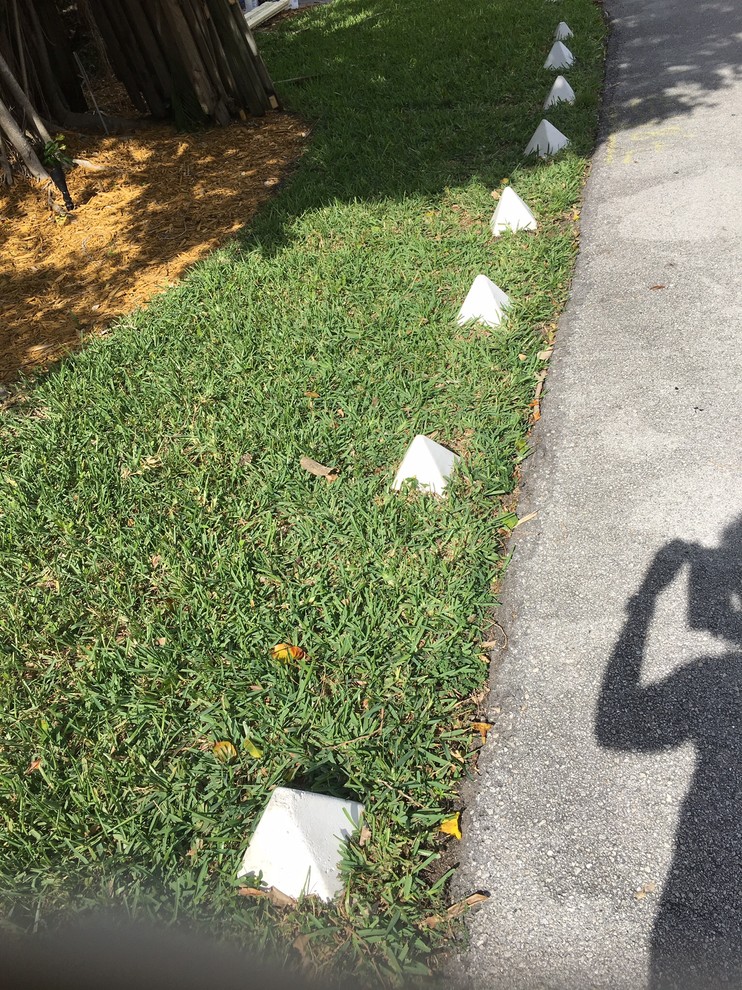
Image Source: st.hzcdn.com
Why Cars Park on Your Lawn
Several reasons can explain why cars might end up parked on your lawn. It’s important to understand these motivations to choose the best prevention methods.
- Convenience: For some drivers, parking on a lawn is simply the easiest option. They might be looking for a quick spot, a place to wait, or they might not see any other parking nearby.
- Lack of Awareness: Drivers might not realize they are parking on private property. They might misjudge property lines or assume it’s an acceptable place to stop, especially if there are no clear markers.
- Misunderstanding of Rules: Some people may not be aware of local ordinances or the importance of respecting private driveways and yards.
- Intentional Trespassing: Unfortunately, some individuals may intentionally park on your lawn to make a statement, out of defiance, or simply because they can.
- Temporary Events: During local events, parades, or festivals, people might park on private property temporarily if official parking is full.
- Poor Street Design: In some neighborhoods, street parking is limited, leading drivers to seek alternative, albeit inappropriate, spots.
Legal Aspects of Lawn Parking
Before you take action, it’s good to know the legal side of things. Protecting your private property is your right, and understanding the laws can empower you.
Your Property Rights
As a property owner, you have the right to control who uses your land. This includes preventing unauthorized vehicles from parking on your lawn. This right is fundamental to homeownership and is protected by law.
Local Ordinances and Regulations
Many cities and towns have specific ordinances against parking on private property without permission. These rules can also cover parking on sidewalks, easements, or unpaved areas.
- Check Local Laws: Visit your city or county government website. Look for sections on public works, code enforcement, or municipal codes.
- Common Violations: Parking on private property, blocking driveways, and parking on unpaved surfaces are often violations.
- Enforcement: Local authorities, like the police department or code enforcement officers, are usually responsible for enforcing these rules.
What to Do About Violators
If someone parks on your lawn, you have options:
- Talk to the Driver: If possible and safe, politely inform the driver that they are on your private property and ask them to move.
- Contact Authorities: If the driver is not present, or if they refuse to move, contact your local non-emergency police line. They can issue warnings or citations.
- Tow Trucks: In some cases, especially with repeated offenses or persistent parking, you may be able to have the vehicle towed at the owner’s expense, but this often requires official authorization.
Physical Barriers: Stopping Them in Their Tracks
Physical barriers are some of the most effective deterrents against lawn parking. They create a clear, physical boundary that vehicles cannot easily cross.
Bollards: A Classic Solution
Bollards are sturdy posts installed vertically in the ground. They are excellent for preventing vehicles from entering or parking in specific areas.
- Types of Bollards:
- Fixed Bollards: Permanently installed, offering strong protection.
- Removable Bollards: Can be unlocked and removed to allow authorized access.
- Retractable Bollards: Recess into the ground when not needed, providing a clean look.
- Materials: Steel, concrete, cast iron, and even heavy-duty plastic are common.
- Placement: Install them strategically along the edge of your lawn, particularly near your driveway access or areas most prone to parking. Ensure they are spaced appropriately for your needs.
- Aesthetics: Bollards come in various styles, from utilitarian to decorative, allowing you to choose ones that complement your home’s appearance.
Landscaping Barriers: Natural and Attractive
Using natural elements as landscaping barriers can be both functional and aesthetically pleasing. They blend into your yard while clearly marking boundaries.
- Decorative Rocks or Boulders: Large rocks can create a visually appealing border and are strong enough to deter most vehicles.
- Selection: Choose smooth, rounded rocks or jagged, natural boulders depending on your desired look.
- Placement: Arrange them in a continuous line along your property edge.
- Sturdy Shrubs or Hedges: Dense, thorny, or fast-growing hedges can act as a natural fence.
- Considerations: Choose varieties known for their thickness and durability. Examples include barberry, hawthorn, or dense evergreens.
- Maintenance: Hedges require regular trimming to maintain their effectiveness and appearance.
- Raised Planters: Sturdy planters filled with soil and plants can also serve as a barrier.
- Materials: Wood, stone, or concrete planters are good choices.
- Height: Ensure they are tall enough to be a noticeable obstacle.
Fencing: The Ultimate Boundary
Fencing provides a clear and robust barrier. It not only prevents parking but also enhances security and privacy.
- Types of Fencing:
- Privacy Fences: Solid wood or vinyl fences offer maximum privacy and a strong visual deterrent.
- Ornamental Fences: Wrought iron or decorative metal fences can look elegant while still being effective.
- Chain-Link Fences: A more economical option, though less aesthetically pleasing for some.
- Height and Strength: Choose a fence height and material that suits your needs. A fence around 4-6 feet tall is generally effective.
- Gateways: If you need driveway access, ensure your fence design includes a secure gate that can be closed and locked.
- Installation: Proper installation is crucial for the fence’s durability and effectiveness.
Landscape Edging: Defining Your Space
While often used for garden beds, substantial landscape edging can also serve as a deterrent for lighter incursions.
- Materials:
- Concrete Edging: Poured concrete can be very durable.
- Stone or Brick Edging: Laid in a substantial manner, these can create a solid border.
- Metal Edging: Heavy-gauge steel or aluminum edging can withstand some impact.
- Depth and Height: Ensure the edging is installed deep enough and is tall enough to make parking difficult or undesirable.
- Effectiveness: This is generally more effective against casual or accidental parking rather than determined offenders.
Signage: Communicating Your Intentions
Clear no parking signs are a simple, cost-effective way to inform drivers that parking is prohibited. While they might not stop everyone, they are a crucial first step.
Types of No Parking Signs
- Official-Looking Signs: Signs that mimic municipal parking signs can be very effective. They carry an air of authority.
- “No Parking” or “No Trespassing” Signs: Clearly state that parking is not allowed.
- “Private Property” Signs: Reinforce that the area is not public space.
- “Tow Away Zone” Signs: These are strong deterrents, indicating that violators will be towed.
- Custom Signs: You can create custom signs with specific messages like “Lawn Parking Prohibited” or “No Vehicles on Grass.”
- Placement:
- Visible Locations: Place signs where they are easily seen by approaching vehicles, such as at the entrance to your driveway and along the street frontage of your lawn.
- Eye Level: Mount signs at a height that is easily readable.
- Multiple Signs: Use several signs to ensure the message is clear from different angles.
Legal Weight of Signs
While signs are a great communication tool, their legal weight can vary.
- “No Parking” Signs: Generally serve as a warning.
- “No Trespassing” Signs: Can be crucial for legal action if someone ignores them.
- “Tow Away Zone” Signs: Often required by law to be posted before a vehicle can be towed for parking violations on private property. Check your local laws regarding tow-away signage requirements.
Natural Deterrents: Making Your Lawn Less Appealing
Sometimes, making your lawn less inviting for parking can be a surprisingly effective strategy.
Strategic Planting
Certain plants can make parking on your lawn uncomfortable or impossible.
- Thorny Shrubs: Planting thorny bushes like roses, pyracantha, or barberry along the edge of your lawn can be a significant deterrent.
- Dense Ground Cover: Overgrown or thick ground cover plants can make parking difficult and potentially damage vehicle undercarriages.
- Densely Planted Areas: Creating areas with closely planted, tough grasses or low-growing shrubs can discourage drivers from attempting to park.
Unpleasant Surfaces
While you want a nice lawn, sometimes a slightly less appealing surface can work.
- Gravel or Mulch Strips: Installing a strip of gravel or mulch along the edge of your lawn, particularly where your driveway meets the street, can make drivers think twice. It’s less damaging than parking on bare soil but still not ideal for tires.
- Uneven Terrain: Slightly altering the grading of your lawn’s edge can create an uneven surface that is uncomfortable to park on. This needs to be done carefully to avoid water runoff issues.
Advanced Solutions and Professional Help
For persistent problems or if you want more robust protection, consider these advanced options.
Professional Landscaping and Hardscaping
Consulting with a landscape designer can provide tailored solutions.
- Driveway Extensions: If feasible, extending your driveway can provide more legal parking space and clearly delineate the property line.
- Decorative Curbs: Installing decorative curbs made of stone, concrete, or brick can create a clear, attractive boundary.
- Grading and Drainage: Proper grading can ensure water drains away from your property and can also subtly discourage parking by creating slopes.
Security Measures
- Security Cameras: Installing visible security cameras can act as a strong deterrent. If you catch someone parking on your lawn, you’ll have evidence.
- Motion-Activated Lights: Bright lights that turn on when motion is detected can startle potential parkers and make them leave.
Choosing the Right Solution for Your Property
The best approach often involves combining several methods. Here’s a breakdown to help you decide.
| Solution Category | Effectiveness | Cost | Aesthetics | Maintenance | Best For |
|---|---|---|---|---|---|
| No Parking Signs | Low to Medium (relies on compliance) | Low | Varies | Low | Initial step, mild offenders |
| Landscape Edging | Medium (depends on sturdiness) | Low to Medium | High | Low to Medium | Defining boundaries, casual parking |
| Bollards | High | Medium to High | Varies (can be elegant) | Low | Strong deterrence, specific entry points |
| Fencing | Very High | High | Varies (can be attractive) | Medium | Maximum security, clear property line definition |
| Natural Barriers | Medium (thorny plants, large rocks) | Medium | High | Medium to High | Blending deterrence with natural beauty |
| Strategic Planting | Medium (thorny shrubs) | Medium | High | Medium | Aesthetic deterrence, softer approach |
| Security Cameras/Lights | Indirect (deterrent, evidence gathering) | Medium to High | Low (cameras) to Medium (lights) | Low | Monitoring, documenting violations |
Combination Approach Example:
- Start with Signs: Post clear “Private Property,” “No Parking,” and “Tow Away Zone” signs at key locations.
- Add Landscape Edging: Install sturdy landscape edging along the most vulnerable parts of your lawn’s edge.
- Install Bollards: Place a few strategically placed bollards to protect your driveway entrance or particularly sensitive lawn areas.
- Consider Fencing: If the problem persists or you want maximum security, invest in fencing that clearly marks your property line definition.
Maintaining Your Lawn and Boundaries
Once you’ve implemented your chosen methods, it’s important to maintain them and your lawn.
- Regular Inspections: Check your bollards, fencing, and signs regularly to ensure they are in good condition and haven’t been tampered with.
- Lawn Care: Keep your lawn healthy and well-maintained. A well-kept lawn is less appealing to park on than a patchy or overgrown one.
- Trim Plants: If you use hedges or shrubs as barriers, keep them trimmed for maximum effectiveness and appearance.
- Clear Snow/Debris: Ensure your barriers and signs are visible, especially after snowstorms or heavy debris fall.
Frequently Asked Questions (FAQ)
What are the most effective ways to stop cars from parking on my lawn?
The most effective methods are physical barriers like bollards, sturdy fencing, or decorative but substantial landscaping barriers. Clear no parking signs, especially “Tow Away Zone” signs, also serve as significant deterrents.
Can I put up “No Parking” signs on my own property?
Yes, you can put up “No Parking” or “Private Property” signs on your own property. However, to enforce towing, you often need specific signage and must comply with local ordinances. Check your local regulations for exact requirements.
What if someone parks on my lawn and I don’t know who they are?
If the vehicle is unattended, contact your local non-emergency police number. They can often identify the owner and issue a warning or ticket. You may also be able to arrange for towing through an authorized company, but this can be costly and sometimes requires proof of signage or prior notification.
How do I define my property line to prevent parking?
You can define your property line definition using various methods:
* Physical Markers: Installing fencing, bollards, or large rocks.
* Landscaping: Creating hedges or decorative borders with landscape edging.
* Survey Markers: If you’re unsure of the exact line, consider a property survey.
* Signage: Clearly posting “Private Property” signs at the edge of your lawn.
Are there legal restrictions on what I can use as a barrier?
Yes, there can be local restrictions. For instance, some municipalities have rules about the height of fences, placement of bollards, or materials used for landscaping barriers. Always check with your local building or zoning department before installing permanent structures. You also cannot create a barrier that is excessively dangerous or obstructs public access where it’s not permitted.
How much does it cost to install bollards or fencing?
The cost varies greatly depending on the materials, the number of units, and whether you hire professionals.
* Signs: Can range from $20 to $100+ for durable, official-looking signs.
* Landscape Edging: Costs can start from $5-$15 per linear foot for basic materials and go up to $50+ per foot for decorative stone or concrete.
* Bollards: Basic bollards might cost $50-$200 each, while decorative or retractable ones can be several hundred dollars or more. Installation adds to the cost.
* Fencing: Expect to pay anywhere from $15-$50+ per linear foot for materials and installation, depending on the type of fence.
Is it legal for me to have a car towed from my lawn?
In most places, yes, but you usually need to follow specific procedures. This often involves having proper “Tow Away Zone” signage posted, contacting an authorized towing company, and possibly getting permission from local law enforcement. The rules vary significantly by location, so it’s best to confirm with your local authorities. Improperly towing a vehicle can lead to legal trouble for you.
What’s the best way to deter people without making my property look like a fortress?
A balanced approach is key. Combine subtle deterrents with clear communication.
* Use attractive landscaping barriers like decorative rocks or well-maintained hedges.
* Install elegant bollards that complement your home’s style.
* Choose tasteful fencing that enhances your property’s curb appeal.
* Place professional-looking no parking signs discreetly but visibly.
* Focus on defining your property line definition in a way that enhances your property’s beauty rather than detracting from it.
By implementing these strategies, you can effectively keep cars from parking on your lawn and maintain the beauty and integrity of your private property. Remember to always check local regulations and consider the aesthetic impact of your chosen solutions.