
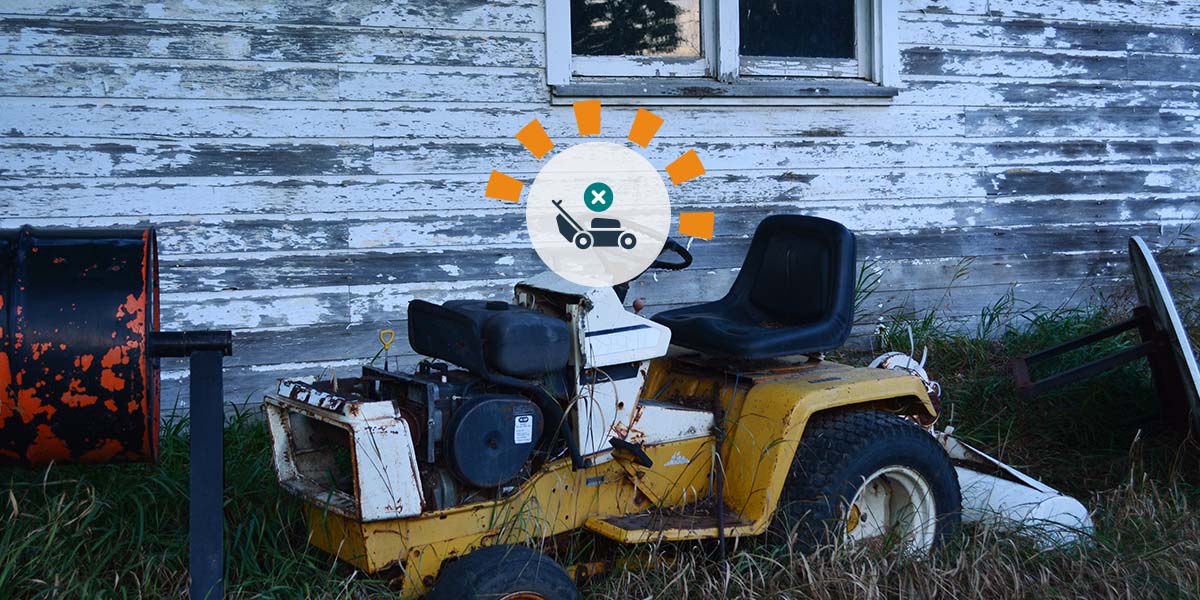
Image Source: dumpsters.com
How To Recycle Old Lawn Mower: Your Eco-Friendly Guide
Can I recycle my old lawn mower? Yes, you absolutely can and should recycle your old lawn mower. This guide will walk you through the best ways to handle your outdated garden equipment responsibly.
As your trusty lawn mower reaches the end of its service life, you might wonder about the best way to dispose of it. Simply tossing it in the trash isn’t an eco-friendly choice. Old lawn mowers contain metal, plastic, and sometimes hazardous fluids like gasoline and oil, all of which can be harmful to the environment if not handled correctly. Fortunately, there are several excellent old mower recycling options available to ensure your equipment is processed in a sustainable manner. This guide will explore everything you need to know about lawn mower disposal, from finding where to recycle lawn mower units to understanding the benefits of eco-friendly lawn mower disposal.
Why Recycle Your Old Lawn Mower?
Recycling your old lawn mower is more than just a good deed; it’s a crucial step towards a healthier planet. Here’s why it matters:
- Environmental Protection: Lawn mowers, especially gasoline-powered ones, can contain harmful substances like oil, gasoline, and battery acid. Improper disposal can lead to soil and water contamination. Recycling ensures these materials are handled safely and don’t end up in landfills.
- Resource Conservation: Mowers are made of valuable materials like steel, aluminum, and plastics. Recycling these components allows them to be repurposed into new products, reducing the need to extract virgin resources. This saves energy and minimizes pollution associated with mining and manufacturing.
- Reducing Landfill Waste: Landfills are filling up rapidly. By recycling your old mower, you divert a bulky item from this waste stream, contributing to a more sustainable waste management system.
- Economic Benefits: The recycling industry creates jobs and supports local economies. Many recycling centers and scrap yards process metal and other materials, turning waste into valuable commodities.
Deciphering Your Lawn Mower Type for Disposal
Before you figure out how to recycle old lawn mower units, it’s important to know what kind you have. Different types require slightly different approaches, particularly concerning fluid disposal.
Gasoline Mowers
Disposing of gasoline mower units requires careful attention to the fuel and oil.
- Fuel: Gasoline is a flammable and hazardous material. You cannot simply drain it onto the ground or pour it down a drain.
- Oil: Used motor oil is also a hazardous waste. It should never be disposed of in regular trash or down drains.
- Batteries (for electric start): If your gasoline mower has an electric start, it will have a battery that needs special disposal.
Electric Mowers
Electric mower recycling is generally simpler as they don’t have fuel or oil to contend with.
- Corded Electric Mowers: These are primarily composed of metal, plastic, and electrical wiring.
- Battery-Powered Electric Mowers: These units contain rechargeable batteries, typically lithium-ion or lead-acid. Batteries require separate, specialized recycling due to their chemical composition.
Robotic and Manual Mowers
- Robotic Mowers: These are essentially small electric devices with batteries. Their electronics and batteries will need specific recycling.
- Manual Reel Mowers: These are the simplest and most environmentally friendly, primarily made of metal and plastic. They are straightforward to recycle as scrap metal.
Finding Where to Recycle Lawn Mower Units
Locating a facility that accepts old lawn mowers is the first practical step. Several avenues can lead you to the right place for junk lawn mower removal.
Local Recycling Centers and Waste Transfer Stations
Many municipal recycling centers and waste transfer stations accept yard equipment, including lawn mowers.
- How to find them:
- Check your local government or public works department website. They usually have a list of accepted items and drop-off locations.
- Search online for “recycling center near me” or “waste transfer station [your city/county].”
- What to expect: Some centers may charge a small fee for disposal, especially for motorized equipment. Be sure to inquire about any preparation required, such as draining fluids.
Scrap Metal Yards
Scrap metal yards are excellent for scrap lawn mower pickup or drop-off. They are equipped to handle the metal components of your mower.
- What they accept: Most scrap yards will take the entire mower. They will often pay you a small amount based on the weight of the metal.
- Preparation: You may need to drain fuel and oil before bringing it in. Some yards might have specific guidelines.
- How to find them: Search for “scrap metal yard near me” or “auto recyclers” as they often handle similar materials.
Household Hazardous Waste (HHW) Facilities
For gasoline and oil, HHW facilities are the safest bet for proper disposal.
- What they handle: These facilities are designed to manage items like batteries, motor oil, and fuels, preventing them from contaminating the environment.
- How to find them: Your local environmental agency or waste management department will have information on HHW collection events or permanent drop-off sites.
Municipal Collection Events
Many communities organize special collection events for bulky items or hazardous waste.
- Benefits: These events are convenient and often free, making eco-friendly lawn mower disposal accessible.
- How to find out: Keep an eye on local news, community newsletters, or your city’s website for announcements about these events.
Retailer Take-Back Programs
Sometimes, when you purchase a new lawn mower, the retailer may offer a take-back program for your old one.
- Inquire when buying: Ask the store if they have a recycling or disposal service for old equipment. This can be a convenient way to handle lawn mower disposal when upgrading.
Preparing Your Lawn Mower for Recycling
Proper preparation ensures a smooth and safe recycling process.
Draining Fuel and Oil (Gasoline Mowers)
This is a critical step for disposing of gasoline mower units.
- Empty the Fuel Tank:
- Run the mower until it’s almost out of gas.
- Alternatively, use a siphon pump to carefully remove the remaining fuel into an approved container.
- Never pour gasoline down a drain or onto the ground. Take it to a designated HHW facility or a service station that accepts used fuel.
- Drain the Oil:
- Locate the oil drain plug (usually at the bottom of the engine).
- Place a suitable container underneath to catch the oil.
- Remove the plug and let the oil drain completely.
- Pour the used oil into a leak-proof container with a secure lid.
- Never pour used oil down drains or into the environment. Take it to an auto parts store, service station, or HHW facility that accepts used motor oil.
Removing the Battery (Electric and Electric-Start Gas Mowers)
- Location: Batteries are typically found under the mower deck or in a compartment.
- Removal: Disconnect the terminals carefully, usually by loosening a nut or bolt.
- Recycling: Batteries, especially lead-acid and lithium-ion, require specialized recycling. Many auto parts stores, electronics retailers, and HHW facilities accept them. Electric mower recycling should prioritize battery recovery.
Removing Other Components
- Spark Plug: Remove the spark plug before disposal.
- Blades: While some scrap yards might accept blades attached, it’s often safer and sometimes required to remove them to prevent injury during handling. Ensure they are packaged safely if you remove them.
Alternatives to Direct Recycling
Beyond dropping off your mower at a recycling facility, other options exist that benefit the community.
Donating an Old Lawn Mower
If your mower is still in working condition, donating it is a fantastic way to give it a second life.
- Who might need it:
- Community Gardens: Often rely on donated equipment.
- Non-profit Organizations: Some charities or repair shops might accept them for refurbishment and resale.
- Schools: Agricultural programs or vocational schools may use them for training.
- Neighbors or Friends: Someone starting out or looking for a project might appreciate it.
- How to find recipients:
- Contact local community centers or volunteer organizations.
- Post on local online marketplaces or community groups (e.g., Facebook Marketplace, Nextdoor) offering it for free.
- Condition: Ensure the mower is safe and functional before donating. If it needs minor repairs, consider fixing it up first. This is a great form of lawn mower repair and disposal if you can get it working.
Selling Your Old Mower
If your mower is in decent condition, you might be able to sell it.
- Platforms: Online marketplaces (eBay, Craigslist, Facebook Marketplace), local classifieds, or garage sales.
- Pricing: Research similar models to set a fair price. Be honest about any defects.
The Environmental Impact: A Closer Look
Making informed choices about eco-friendly lawn mower disposal is vital.
Metal Recycling
- Steel and Aluminum: Mowers are largely made of steel and aluminum. Recycling these metals significantly reduces greenhouse gas emissions and energy consumption compared to producing new metal. For instance, recycling aluminum uses about 95% less energy than making it from raw materials.
- Scrap Lawn Mower Pickup: Many services specialize in scrap lawn mower pickup, making it easy to get your metal to a recycling facility.
Plastic Recycling
- Types of Plastics: Mowers use various plastics for housings, wheels, and handles. Recycling these helps divert waste from landfills and conserves resources.
- Challenges: Different types of plastic need to be sorted for effective recycling.
Hazardous Waste Management
- Gasoline and Oil: Improper disposal of these can contaminate groundwater and soil for decades. Recycling through HHW facilities ensures they are treated or disposed of safely.
- Batteries: Lead-acid batteries, in particular, contain toxic lead and sulfuric acid. They are highly recyclable, with most of the battery’s components being recovered. Lithium-ion batteries also have valuable metals that can be reclaimed.
What Happens to Recycled Lawn Mowers?
The journey of a recycled lawn mower is one of transformation.
- Disassembly: At a recycling facility, trained personnel often disassemble the mower. They separate components like the engine, wheels, plastic parts, and the main metal chassis.
- Material Sorting: The separated materials are then sorted. Metals like steel and aluminum are baled and sent to foundries. Plastics are processed and sent to manufacturers.
- Fluid Recovery: Any residual fuel and oil are collected and processed according to environmental regulations, often for energy recovery or safe disposal.
- Component Reuse (Sometimes): Functional parts like wheels, engines (if repairable), or even blades might be salvaged for reuse or as replacement parts.
- New Product Creation: The recycled metals are melted down and used to create new metal products, which could include car parts, appliances, or even new lawn mower components. Recycled plastics are used in a wide range of products, from furniture to building materials.
Frequently Asked Questions (FAQ)
Q1: Can I just put my old lawn mower on the curb for bulk trash pickup?
A1: While some municipalities may pick up large items, it’s generally not the most eco-friendly method. Hazardous fluids might not be handled properly, and valuable metal might end up in a landfill. It’s always best to check your local waste management guidelines and opt for specialized recycling or disposal.
Q2: What if my lawn mower is broken and cannot be repaired?
A2: Even if broken, your old lawn mower is a valuable source of recyclable materials. Follow the guidance in this article to find a scrap metal yard or recycling center that accepts non-working equipment.
Q3: Do I need to remove the blades from my lawn mower before recycling?
A3: It’s often safer to remove the blades to prevent injury during handling. If you do remove them, ensure they are wrapped or placed in a protective container. Check with your chosen recycling facility for their specific requirements.
Q4: How do I dispose of the gasoline safely if I can’t run the mower dry?
A4: Use a siphon pump to transfer the gasoline into an approved container. Contact your local Household Hazardous Waste (HHW) facility or a local service station to inquire about proper disposal methods for excess gasoline.
Q5: Are there any costs associated with recycling a lawn mower?
A5: Some recycling centers or transfer stations may charge a small fee for disposing of motorized equipment. However, scrap metal yards might pay you for the metal content. It’s best to call ahead and inquire about any fees or payment policies.
Q6: What about riding lawn mowers?
A6: The principles for lawn mower disposal apply to riding mowers as well, with a few considerations. They are larger, so ensure the facility you choose can accommodate them. They will also have more oil and potentially larger batteries that need proper handling. Many of the same recycling centers, scrap yards, and HHW facilities will accept them.
By following these guidelines, you can ensure your old lawn mower is handled responsibly, contributing to a cleaner environment and a more sustainable future.