
Image Source: i.ytimg.com
How To Repair Brown Spots On Lawn: Proven Methods
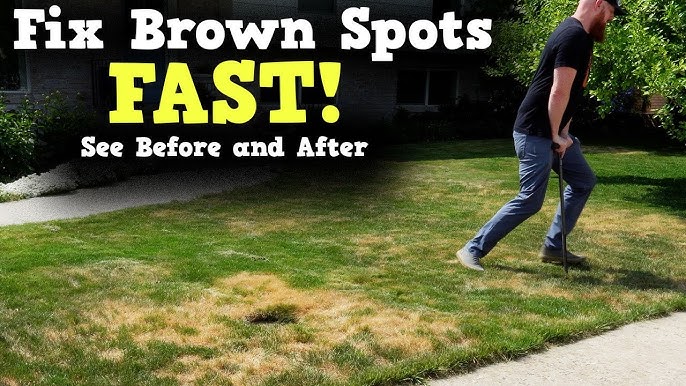
Can you repair brown spots on your lawn? Yes, you absolutely can! Repairing brown spots on your lawn involves identifying the cause and then applying the correct treatment. Whether it’s a lack of water, too much sun, or a pesky bug, there are proven methods to bring your lawn back to its lush, green glory.
Deciphering the Cause of Brown Spots
Before you can fix brown spots, you need to know why they’re there. Different issues create different patterns and symptoms. Observing closely will guide you to the right solution.
Common Culprits Behind Brown Patches
Many things can turn your vibrant green lawn into a patchy brown mess. Here are some of the most frequent offenders:
-
Watering Woes:
- Underwatering: If your lawn doesn’t get enough water, especially during hot, dry periods, the grass will dry out and turn brown. This often shows up as widespread browning or straw-like patches.
- Overwatering Lawn Problems: Ironically, too much water can also be detrimental. It can suffocate the grass roots, making them prone to disease and rot. Look for soggy areas that turn brown. This can also lead to shallow root systems, making the grass more susceptible to drought stress.
-
Environmental Stress:
- Drought Stress on Grass: Prolonged periods without sufficient rainfall or irrigation will stress grass, leading to browning. The grass blades might curl or fold to conserve moisture.
- Heat Stress: Extremely high temperatures can scorch the grass, especially in sunny spots.
-
Pest Infestations:
- Lawn Grub Treatment: Grubs are the larvae of beetles that live in the soil and eat grass roots. Infested areas often feel spongy and lift up easily, like a carpet. The browning can appear in irregular patches.
- Chinch Bugs: These small insects suck the sap from grass blades, causing yellowing and then browning, often in circular or irregular patches, especially in sunny, dry areas.
-
Fungal Lawn Diseases:
- Brown Patch Treatment: This is a very common fungal disease. It typically appears as circular patches of brown, straw-colored grass. You might see a darker, smoky gray ring around the edge of the patch, especially in the morning when dew is present. This is one of the most common reasons for brown spots.
- Dollar Spot: This disease creates small, straw-colored spots about the size of a silver dollar. You might see a cobweb-like fungal growth on the grass blades in the early morning.
- Pythium Blight: Often called “damping-off,” this disease can cause rapid wilting and browning, often appearing in irregular patches or streaks, especially in humid conditions.
-
Compacted Soil:
- Lawn Aeration: When soil becomes compacted, it restricts the flow of air, water, and nutrients to the grass roots. This can lead to weak growth and browning. Areas with heavy foot traffic or clay soil are particularly prone to compaction.
-
Nutrient Deficiencies or Imbalances:
- Lawn Fertilization Schedule: If your lawn isn’t getting the right nutrients at the right times, it can weaken the grass and make it susceptible to diseases and stress, leading to browning. Too much nitrogen can also “burn” the grass.
-
Pet Urine:
- Mottled Brown Spots: Dog urine is highly concentrated in nitrogen and can “burn” the grass, creating distinct brown spots with a dark green ring around the edge.
-
Poor Lawn Disease Diagnosis:
- Misidentifying the problem is a common pitfall. For example, mistaking drought stress for a fungal disease can lead to ineffective treatments. A proper lawn disease diagnosis is crucial.
Step-by-Step Guide to Repairing Brown Spots
Once you’ve identified the cause, you can tackle the repair. Here’s a systematic approach.
Step 1: Diagnose the Specific Cause
This is the most critical step. Grab a trowel and a magnifying glass if you have one.
- Check for Grubs: Dig up a few small sections of turf in the affected area. If you see C-shaped white grubs, you likely have a grub problem. A general rule of thumb is if you find more than 5-10 grubs per square foot, treatment is needed.
- Look for Fungal Signs: Examine the grass blades closely. Are there rings, spots, or webs? Early mornings are best for spotting fungal growth.
- Assess Watering Habits: Is the soil dry and crumbly, or soggy and waterlogged? Check your irrigation system.
- Consider Recent Weather: Has it been unusually hot, dry, or humid?
- Examine for Pet Activity: Are there specific areas where pets frequent?
Step 2: Address the Underlying Issue
The repair method directly depends on the diagnosis.
For Watering Problems:
- Underwatering: Increase watering frequency and duration. Aim for deep watering that moistens the soil 4-6 inches down. Water early in the morning to minimize evaporation.
- Overwatering Lawn Problems: Reduce watering. Ensure your irrigation system isn’t set to run too often or for too long. Check for drainage issues.
For Pest Infestations:
-
Lawn Grub Treatment:
- Identify Grub Type: Different grubs may require specific treatments.
- Apply Insecticide: Use a grub control product labeled for your specific grub type. Apply according to label instructions, usually with water to move the insecticide into the soil. Timing is key; treatments are often most effective when grubs are young and near the surface.
- Beneficial Nematodes: For an organic approach, beneficial nematodes can be effective against grubs.
-
Chinch Bugs:
- Apply Insecticide: Look for products specifically targeting chinch bugs. Ensure good coverage, especially in sunny, dry areas where they thrive.
For Fungal Lawn Diseases:
-
Brown Patch Treatment:
- Improve Air Circulation: This can involve pruning nearby trees or shrubs that cast dense shade.
- Reduce Thatch: Thatch buildup can harbor fungi.
- Apply Fungicide: Use a fungicide labeled for brown patch. Apply as a preventative or at the first sign of disease. Read the label carefully for application rates and timing.
- Adjust Watering: Avoid watering in the evening, as prolonged leaf wetness encourages fungal growth.
-
Other Fungal Diseases: Follow similar principles: improve air circulation, manage moisture, and use appropriate fungicides based on lawn disease diagnosis.
For Soil Compaction:
- Lawn Aeration: Core aeration is the most effective method. It involves pulling out plugs of soil, allowing air, water, and nutrients to penetrate. This is best done when the grass is actively growing.
For Nutrient Imbalances:
- Soil Testing for Lawns: Conduct a soil testing for lawns to determine nutrient levels and pH.
- Apply Fertilizer: Based on the soil test results, apply a balanced fertilizer. Follow a proper lawn fertilization schedule for your grass type and climate. Avoid over-fertilizing, which can burn the grass.
For Pet Urine Spots:
- Water Thoroughly: Immediately after a pet urinates on the lawn, water the area to dilute the nitrogen.
- Repair: For dead spots, rake out the dead grass, loosen the soil, and reseed.
Step 3: Repair the Damaged Areas
Once the cause is eliminated or managed, it’s time to fix the brown spots themselves.
Raking and Debris Removal
- Use a stiff garden rake to gently rake out the dead grass and any loose thatch from the brown spots. This loosens the soil and prepares it for seeding.
Loosening the Soil
- For bare or compacted areas, lightly till or loosen the top inch or two of soil with a rake or cultivator. This helps new seed establish.
Reseeding or Patching
- Choose the Right Seed: Select a grass seed that matches your existing lawn type and is suitable for your climate.
- Spread the Seed: Sprinkle the seed evenly over the prepared bare spots. You can mix the seed with a bit of topsoil to ensure good contact.
- Cover Lightly: Lightly rake the seed into the soil, covering it with about 1/4 inch of topsoil or compost.
- Apply Starter Fertilizer: A starter fertilizer can help new seedlings establish.
- Water Consistently: Keep the seeded areas consistently moist until the grass germinates and establishes. This means light, frequent watering.
Sodding (For Larger Areas)
- For larger dead patches or if you want a quicker fix, you can lay sod.
- Prepare the soil as you would for seeding.
- Lay the sod pieces, ensuring good contact with the soil.
- Water the newly laid sod thoroughly and frequently to help it establish.
Step 4: Ongoing Lawn Care
Preventing future brown spots is as important as repairing current ones.
Proper Watering Practices
- Deep and Infrequent: Water deeply but less often to encourage strong root growth.
- Morning Watering: Water early in the morning to reduce evaporation and disease risk.
- Check Soil Moisture: Don’t just water on a schedule; check the soil moisture. Stick your finger into the ground. If it’s dry 2-3 inches down, it’s time to water.
Smart Fertilization
- Follow your lawn fertilization schedule diligently, using the right type and amount of fertilizer for your grass.
- Avoid fertilizing during extreme heat or drought.
Regular Mowing
- Mow High: Set your mower to the highest recommended setting for your grass type. Taller grass shades the soil, retaining moisture and discouraging weeds.
- Sharp Blades: Use sharp mower blades to make clean cuts, which helps prevent tearing and disease.
- Mulch Clippings: Leave grass clippings on the lawn (unless they are excessively long or wet) to return nutrients to the soil.
Aeration and Dethatching
- Lawn Aeration: Aerate your lawn annually or biannually, especially if you have clay soil or heavy traffic. This combats compaction.
- Dethatching: If thatch buildup exceeds 1/2 inch, consider dethatching to improve air and water penetration.
Monitoring for Pests and Diseases
- Regularly inspect your lawn for any signs of trouble – yellow patches on grass, wilting, or insect activity. Early detection makes treatment easier.
Common Lawn Problems and Their Visual Clues
Here’s a quick reference table to help you with lawn disease diagnosis and other common issues.
| Problem | Appearance | Likely Cause |
|---|---|---|
| Brown Patch | Circular or irregular brown patches (2-5 feet in diameter). Often has a dark, smoky ring. | Fungal disease (Rhizoctonia solani) |
| Dollar Spot | Small, straw-colored spots (1-2 inches wide) with a sunken appearance. May have cobwebby growth in the morning. | Fungal disease (Sclerotinia homoeocarpa) |
| Drought Stress | General wilting, straw-like color, leaves may fold or roll. Can be widespread or in specific sunny areas. | Lack of water |
| Grub Damage | Irregular brown patches that feel spongy and lift easily like carpet. | Grubs feeding on grass roots |
| Chinch Bug Damage | Yellowing and then browning patches, often in sunny, dry areas. May have irregular shapes. | Chinch bugs sucking sap from grass |
| Overwatering | Yellowing, then browning, often in patches where water collects. Can lead to root rot. | Too much moisture, poor drainage |
| Pet Urine Spots | Small, distinct brown spots, often with a dark green ring around the edge. | High nitrogen concentration in urine |
| Yellow Patches on Grass | Often indicates a nutrient deficiency (like nitrogen), or can be an early sign of disease or insect infestation. | Nutrient deficiency, disease, insect damage |
| Compacted Soil Areas | Poor growth, thinning turf, shallow root systems, prone to wilting and browning. | Restricted air, water, and nutrient flow |
Advanced Lawn Repair Techniques
For persistent or widespread problems, you might consider more involved approaches.
Overseeding for Thicker Turf
If your lawn has thinned out and is prone to brown spots, overseeding can thicken the turf density, making it more resilient.
- Timing: Best done in early fall or spring when grass is actively growing.
- Preparation: Mow the lawn shorter than usual, then aerate. This helps the seed make good contact with the soil.
- Application: Apply a quality grass seed mix evenly across the lawn.
- Top Dressing: A thin layer of compost can improve seed-to-soil contact and moisture retention.
- Watering: Keep the area consistently moist until the new grass is established.
Using Soil Amendments
If your soil testing for lawns reveals issues with soil structure or pH, amendments can help.
- Compost: Adds organic matter, improves soil structure, water retention, and nutrient availability.
- Lime: Raises soil pH if it’s too acidic.
- Sulfur: Lowers soil pH if it’s too alkaline.
- Sand: Can be used to improve drainage in clay soils, but use coarse sand and mix thoroughly to avoid creating concrete-like layers.
Frequently Asked Questions (FAQ)
Q1: How long does it take to repair brown spots on a lawn?
A1: The time it takes depends on the cause and the extent of the damage. Simple fixes like watering adjustments or light reseeding might show improvement in a couple of weeks. However, repairing damage from severe grub infestations or fungal diseases can take several weeks to months, especially if you’re waiting for new grass to grow in.
Q2: Can I just put new sod over brown spots?
A2: While sodding is a quick fix for covering dead patches, it’s not a solution if the underlying problem persists. You must address the cause (like pests or disease) before laying sod, or the new sod will likely die too. For small spots, reseeding is usually more practical and cost-effective.
Q3: My lawn has yellow patches on grass. What could this be?
A3: Yellow patches on grass can be an early sign of several issues. It might be a nitrogen deficiency, indicating a need for fertilization. It could also be a sign of overwatering, disease, insect activity (like chinch bugs), or compacted soil. Performing a lawn disease diagnosis or soil testing for lawns will help pinpoint the exact cause.
Q4: When is the best time to perform lawn aeration?
A4: The best time for lawn aeration is when your grass is actively growing. For cool-season grasses (like fescue, ryegrass, bluegrass), this is typically in the early fall or spring. For warm-season grasses (like Bermuda, Zoysia, St. Augustine), late spring or early summer is ideal.
Q5: How often should I fertilize my lawn?
A5: The frequency of fertilizing depends on your grass type, climate, and the type of fertilizer used. Generally, most lawns benefit from 2-4 applications per year. A good lawn fertilization schedule usually includes applications in early spring, late spring/early summer, and fall. Always follow the fertilizer package directions and consider the results of your soil testing for lawns.
By diligently diagnosing the cause and applying these proven methods, you can effectively repair brown spots and restore your lawn to its healthy, vibrant best. Consistent care and attention will be your greatest allies in maintaining a beautiful lawn year-round.